




A colonoscopy is a standard medical procedure used to examine the lining of the large bowel to identify any abnormalities such as inflammation, polyps, or signs of cancer. Within the UK national screening programme, this investigation is typically offered if a home screening kit detects traces of blood in a stool sample. While the prospect of a colonoscopy can cause anxiety for some, it is a routine day-case procedure performed by trained specialists to ensure early detection and prevention of bowel disease.
What We’ll Discuss in This Article
- The purpose of a colonoscopy in the context of bowel screening.
- Essential bowel preparation requirements before the appointment.
- What occurs during the procedure and options for comfort.
- The role of polyp removal in preventing bowel cancer.
- Post-procedure recovery and receiving your results.
- Potential risks and how they are managed by clinical teams.
The Role of Colonoscopy in Bowel Screening
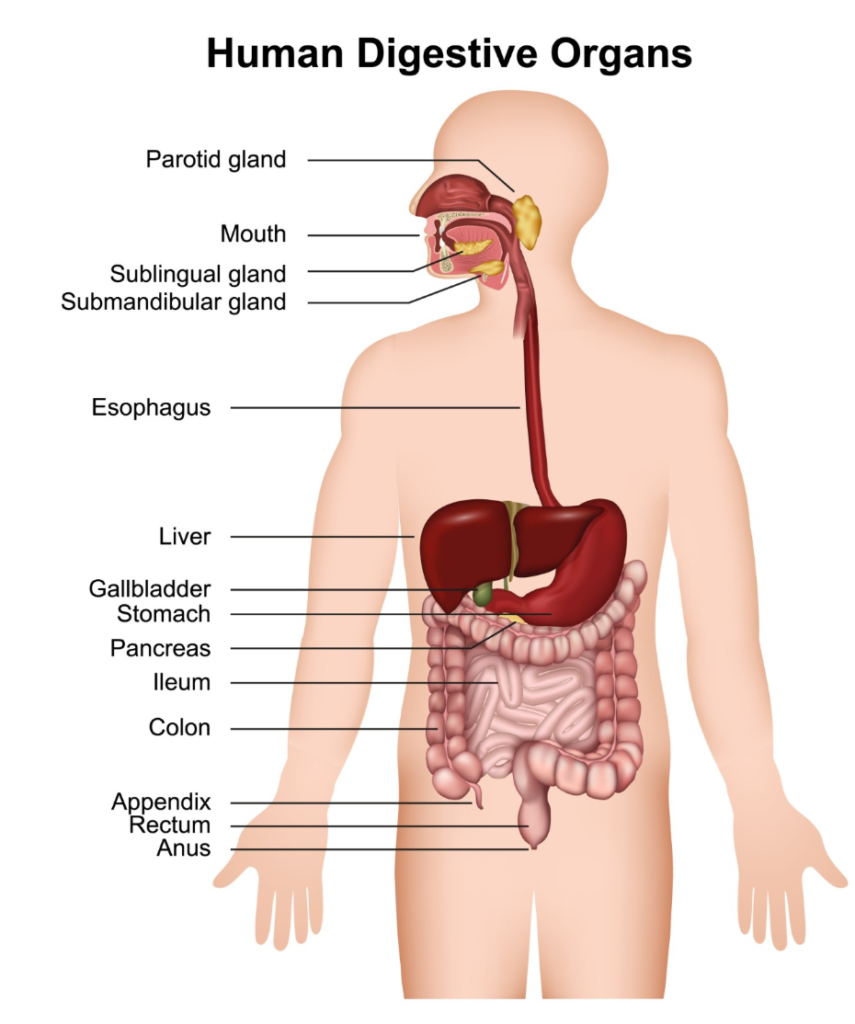
A colonoscopy is a diagnostic procedure where a thin, flexible tube with a camera is used to view the entire interior of the large bowel. The NHS offers a colonoscopy to individuals whose screening test result shows traces of blood to determine the exact cause of the bleeding. It is considered the most effective way to investigate the bowel because it allows clinicians to see the tissue directly and take immediate action if any growths are found.
Most people who are referred for a colonoscopy following a screening test do not have cancer. The presence of blood is often due to other common conditions such as haemorrhoids or small growths called polyps. The procedure is vital because it can identify these issues at a stage where they are easier to manage or, in the case of polyps, can be removed before they have the chance to develop into a more serious condition.
Preparing for the Procedure
Effective preparation is necessary to ensure the bowel is completely clear so that the clinician can clearly see the lining during the examination. Patients are provided with specific instructions and a strong laxative medication, often called bowel prep, to take at home the day before the procedure. This will cause frequent bowel movements, and it is advisable to stay close to a toilet during this time.
In addition to the laxative, patients are usually asked to follow a restricted diet for a few days leading up to the appointment. This typically involves moving to a low-fibre diet and then consuming only clear fluids on the day before the test. Following these instructions accurately is essential; if the bowel is not sufficiently clear, the clinician may not be able to complete the examination, and the procedure may need to be rescheduled for another time.
During the Colonoscopy
The procedure itself usually takes between 30 and 45 minutes and is performed while the patient lies on their left side. Before the test begins, patients are offered a choice of pain relief or sedation to help them feel more comfortable. This often includes “gas and air” (Entonox), which is inhaled, or an intravenous sedative that makes the patient feel very relaxed and drowsy but keeps them awake and able to follow instructions.
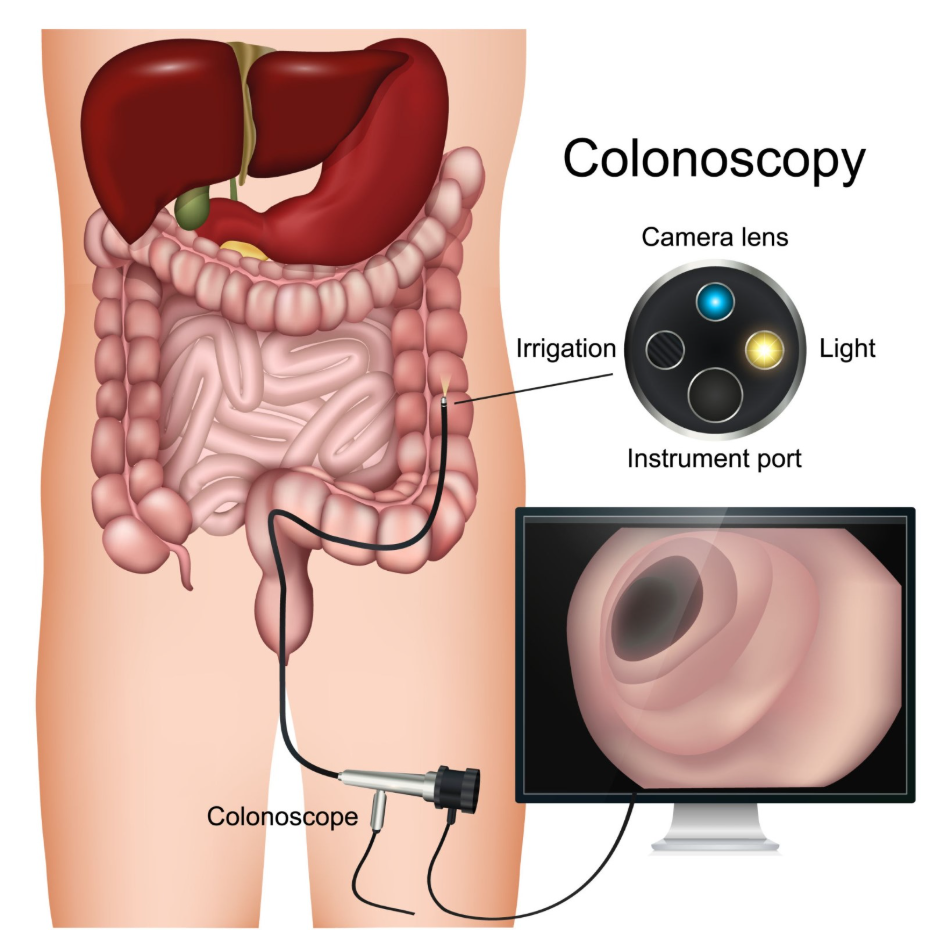
As the colonoscope is gently inserted through the rectum and moved around the curves of the bowel, the clinician pumps a small amount of carbon dioxide or air into the bowel to inflate it. This can cause a feeling of bloating or mild cramping. The camera on the end of the tube sends high-quality images to a monitor, allowing the doctor or nurse specialist to check for any irregularities. If anything unusual is spotted, a small sample of tissue, known as a biopsy, may be taken for further analysis in a laboratory.
Removal of Polyps
If the clinician finds polyps during the colonoscopy, they can often be removed immediately using a wire loop passed through the colonoscope. This process is known as a polypectomy and is usually painless because the lining of the bowel does not have the same pain-sensing nerves as the skin. Removing polyps is a primary way to prevent bowel cancer, as some types of polyps can grow and become cancerous over several years if left in place.
NICE guidelines provide specific frameworks for the management and follow-up of patients who have had polyps removed during a colonoscopy. After removal, the polyps are sent to a laboratory to be examined under a microscope. This helps the clinical team determine if the patient needs any further treatment or if they should be placed on a more frequent surveillance schedule for future bowel checks.
Recovery and Results
After the procedure is finished, patients are moved to a recovery area where they are monitored until the effects of any sedation have worn off. It is normal to feel some bloating or wind for a few hours as the air used during the test leaves the body. Most people can go home the same day, although those who received intravenous sedation must be collected by a friend or relative and should not drive or operate machinery for 24 hours.
The clinician will usually be able to provide some immediate feedback on what they saw during the examination before the patient leaves the hospital. However, if biopsies were taken or polyps were removed, the final results from the laboratory may take up to two weeks to be processed. A follow-up letter or appointment will be arranged to discuss these findings and any next steps in the patient’s care pathway.
Risks and Considerations
A colonoscopy is a very safe procedure, but like all medical interventions, it carries some small risks that patients should be aware of. The UK Health Security Agency provides detailed information on the benefits and risks of bowel screening to help individuals make an informed choice about participating. The most common issues are minor, such as a small amount of bleeding if a biopsy was taken or a polyp was removed.
More serious complications, such as a tear in the bowel lining (perforation), are very rare, occurring in approximately 1 in 1,000 procedures. If a complication occurs, it is managed by the hospital’s clinical team, and in rare cases, may require an operation to repair. The clinical team will discuss these risks in detail during the consent process before the procedure begins to ensure the patient is comfortable and fully informed.
Conclusion
A colonoscopy is a critical diagnostic tool that allows for the direct inspection of the bowel and the removal of potentially precancerous polyps. While the preparation and procedure require time and care, they provide the most thorough assessment of bowel health available within the national screening programme. Understanding the process can help reduce apprehension and ensure that patients receive the full benefits of early detection. If you experience severe, sudden, or worsening symptoms, call 999 immediately.
Will I be put to sleep for a colonoscopy?
Most people are not given a general anaesthetic; instead, they are offered sedation which makes them feel relaxed and sleepy but remains conscious.
How long will I be at the hospital?
While the procedure takes under an hour, you should expect to be at the hospital for about three to four hours to account for preparation and recovery time.
Can I eat immediately after the procedure?
Yes, once the procedure is finished and you are in the recovery area, you can usually eat and drink normally, although light meals are often recommended at first.
Is a colonoscopy painful?
The procedure can be uncomfortable or cause cramping, but the use of sedation and pain relief is designed to make it as manageable as possible for the patient.
What happens if the doctor cannot see everything?
If the bowel preparation was not effective or the tube could not reach the end of the bowel, you may be offered a different type of scan, such as a CT colonography.
When can I return to work?
Most people can return to work the day after the procedure, although those who had sedation may need an extra day to fully recover.
Do I need a colonoscopy if my home test was normal?
Routine colonoscopies are not usually offered to those with a normal screening result unless they have specific symptoms or a high-risk family history.
Authority Snapshot (E-E-A-T)
This article provides factual health information regarding UK bowel screening procedures and is strictly aligned with NHS and NICE clinical standards. The content is authored by a professional medical team and reviewed by Dr. Stefan Petrov, a UK-trained physician with experience in diagnostic procedures and emergency care. All information is sourced from official UK health authorities to ensure public safety and clinical accuracy.



