




Treatment for bowel cancer in the UK is a structured process managed by a multidisciplinary team of specialists who tailor a care plan to the individual based on the location and stage of the cancer. The primary objective of treatment is to remove the cancerous cells and reduce the risk of the condition returning. Most patients will undergo surgery as the main form of treatment, often supported by other therapies such as chemotherapy or radiotherapy to ensure the best possible long term outcome.
What We’ll Discuss in This Article
- The role of surgical intervention in treating bowel cancer.
- How chemotherapy is used to destroy cancer cells and prevent recurrence.
- The application of radiotherapy, particularly for rectal cancer.
- The function of targeted therapies and biological treatments.
- How the multidisciplinary team determines the most appropriate care plan.
- The process of recovery and follow up care after primary treatment.
Surgical Treatments for Bowel Cancer
Surgery is the most common treatment for bowel cancer and involves removing the section of the bowel containing the cancer along with nearby lymph nodes. The type of operation performed depends on where the cancer is located in the large bowel. For example, a right hemicolectomy involves removing the right side of the colon, while a high anterior resection is used for cancers in the upper part of the rectum.
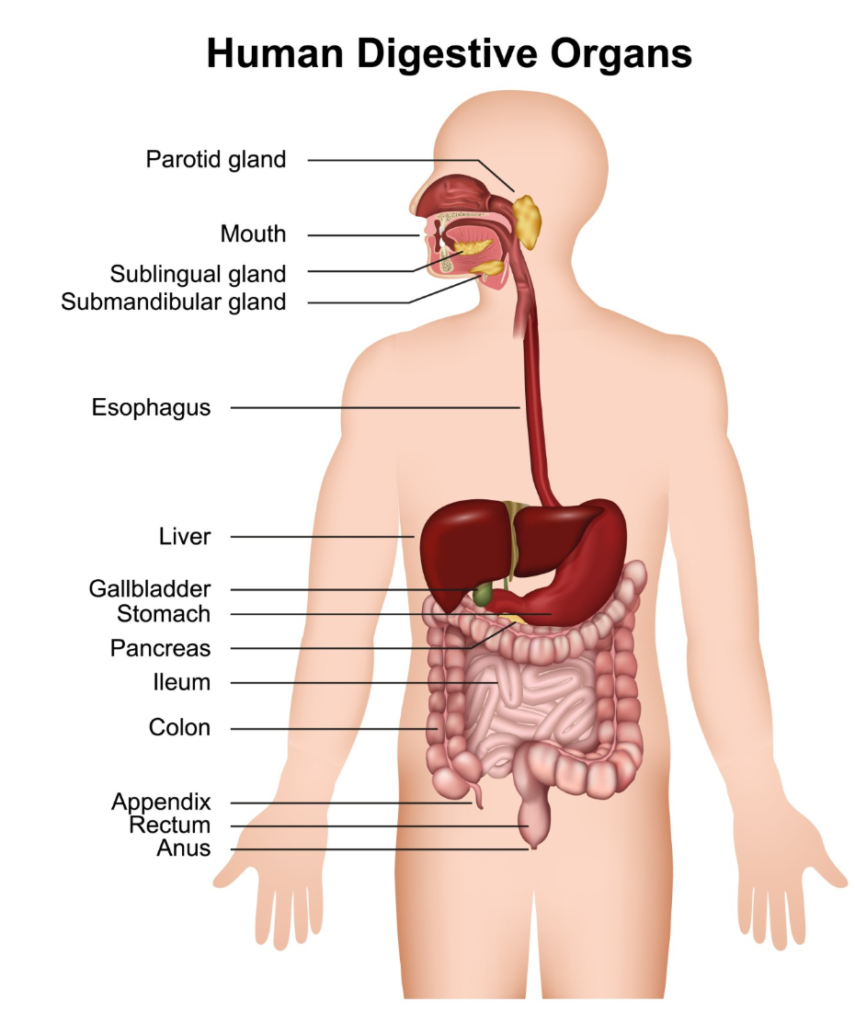
In many cases, the two healthy ends of the bowel are joined back together, a process known as an anastomosis. The NHS provides various surgical options including laparoscopic or robotic surgery, which are minimally invasive techniques that often lead to a faster recovery time for patients. Sometimes, a stoma may be required, where an opening is created on the abdomen for waste to exit into a bag. This can be temporary to allow the bowel to heal or permanent depending on the location of the surgery.
The Use of Chemotherapy
Chemotherapy uses medicine to kill cancer cells and is often administered after surgery to reduce the risk of the cancer coming back. This is known as adjuvant chemotherapy. In some instances, it may be given before surgery, termed neo-adjuvant chemotherapy, to shrink a tumour and make it easier to remove. The medication can be taken as tablets or via an intravenous drip in a hospital setting.
The decision to use chemotherapy depends on the stage of the cancer and the likelihood of microscopic cells remaining after surgery. NICE guidelines outline specific criteria for the use of chemotherapy drugs like fluorouracil and oxaliplatin to ensure patients receive evidence based and effective care. While chemotherapy is effective, it can cause side effects such as fatigue, nausea, and a higher risk of infection, which are closely monitored by the oncology team throughout the treatment cycles.
Radiotherapy for Bowel Cancer
Radiotherapy uses high energy radiation beams to destroy cancer cells and is most commonly used for cancers located in the rectum. It is frequently used before surgery to shrink the tumour, which can make the operation more successful and sometimes reduces the need for a permanent stoma. Radiotherapy is less commonly used for cancers in the colon because the colon moves more within the abdomen, making it harder to target accurately without affecting healthy organs.
There are two main types of radiotherapy: external beam radiotherapy, where a machine directs radiation at the body, and internal radiotherapy (brachytherapy), where a radioactive source is placed near the cancer. Radiotherapy is often combined with chemotherapy, a process called chemoradiotherapy, to make the radiation more effective. Side effects can include skin irritation, bowel urgency, and tiredness, which typically improve after the treatment course is completed.
Targeted and Biological Therapies
Targeted therapies are a newer group of medicines that work by “targeting” specific proteins or pathways that help cancer cells grow and spread. These are sometimes called biological therapies or monoclonal antibodies. These treatments are generally used for advanced bowel cancer that has spread to other parts of the body, such as the liver or lungs. They are often used in combination with standard chemotherapy.
Before starting these treatments, the medical team may perform genetic tests on the cancer cells to see if the medicine is likely to work. For example, tests for the RAS gene mutation can help determine if certain targeted drugs will be effective. These therapies are strictly regulated, and NICE provides ongoing assessment of targeted treatments to ensure they provide significant clinical benefit within the UK healthcare system.
The Multidisciplinary Team Approach
Every patient with bowel cancer has their case reviewed by a multidisciplinary team, which ensures that all aspects of their health and the cancer are considered. This team typically includes surgeons, oncologists, radiologists, pathologists, and specialist nurses. They meet to discuss the results of scans and biopsies and to agree on the most appropriate combination of treatments for the individual.
| Treatment Type | Primary Purpose | Common Timing |
| Surgery | Removal of the tumour | Usually the first or main step |
| Chemotherapy | Killing microscopic cells | After surgery (adjuvant) |
| Radiotherapy | Shrinking rectal tumours | Before surgery (neo-adjuvant) |
| Targeted Therapy | Controlling advanced cancer | For metastatic disease |
The multidisciplinary team also considers the patient’s general fitness and any other health conditions they may have. This collaborative approach is a hallmark of the NHS care model, ensuring that treatment is consistent with national standards and that patients have access to all relevant specialists throughout their journey.
Conclusion
Treatment for bowel cancer in the UK involves a combination of surgery, chemotherapy, and radiotherapy tailored to the specific stage and location of the disease. The goal is to provide comprehensive care that removes the cancer while maintaining the best possible quality of life. Regular follow up and a coordinated team approach are essential components of the recovery process. If you experience severe, sudden, or worsening symptoms, call 999 immediately.
How long does it take to recover from bowel surgery?
Most people stay in hospital for 5 to 10 days, but full recovery and a return to normal activities can take several weeks or months.
Will I definitely need a stoma bag?
Not everyone needs a stoma; the necessity depends on the exact location of the cancer and how much bowel must be removed.
Does chemotherapy for bowel cancer cause hair loss?
Not all bowel cancer chemotherapy drugs cause total hair loss, though some can cause thinning; your oncology team will explain what to expect.
Can radiotherapy be used for colon cancer?
It is rarely used for colon cancer as the colon moves too much, but it is a standard treatment for rectal cancer.
What happens if the cancer has spread to the liver?
If the cancer has spread, it is still treatable; options may include surgery on the liver, chemotherapy, or other targeted treatments.
What is the purpose of follow up appointments?
Follow up involves regular scans and blood tests to monitor your recovery and check for any signs of the cancer returning.
Are there any dietary restrictions during treatment?
You may be advised to follow a low fibre diet immediately after surgery or during radiotherapy, but your specialist nurse will provide detailed guidance.
Authority Snapshot (E-E-A-T)
This article provides medically safe and factual information regarding bowel cancer treatments in the UK, strictly aligned with NHS and NICE protocols. The content is authored by a professional medical team and reviewed by Dr. Stefan Petrov, a UK trained physician with clinical experience in surgery, anaesthesia, and emergency care. All information is sourced from official health authorities to ensure clinical accuracy and patient safety.



