




Hepatitis A is a highly contagious liver infection caused by the hepatitis A virus, which typically presents with a range of non-specific symptoms in its initial stages. Unlike other forms of viral hepatitis, it does not usually cause long-term liver damage, but the illness can be significant and last for several weeks or months. Recognising the early clinical markers is essential for managing the spread of the virus and ensuring that affected individuals receive appropriate supportive care during the acute phase of the infection.
What We’ll Discuss in This Article
- The primary early-stage symptoms of a hepatitis A infection.
- The typical incubation period before symptoms become visible.
- Physical changes associated with the progression to jaundice.
- Common modes of transmission and risk factors in the UK.
- When to seek medical advice regarding suspected liver inflammation.
- The general clinical outlook and recovery process for patients.
Initial Warning Signs of Hepatitis A
Early symptoms of hepatitis A often resemble those of a common flu or stomach bug and typically appear a few weeks after the initial exposure to the virus. Patients often experience a sudden onset of fatigue, a general sense of being unwell, and a mild fever. These systemic symptoms are frequently accompanied by gastrointestinal distress, including a loss of appetite, nausea, and occasionally vomiting.
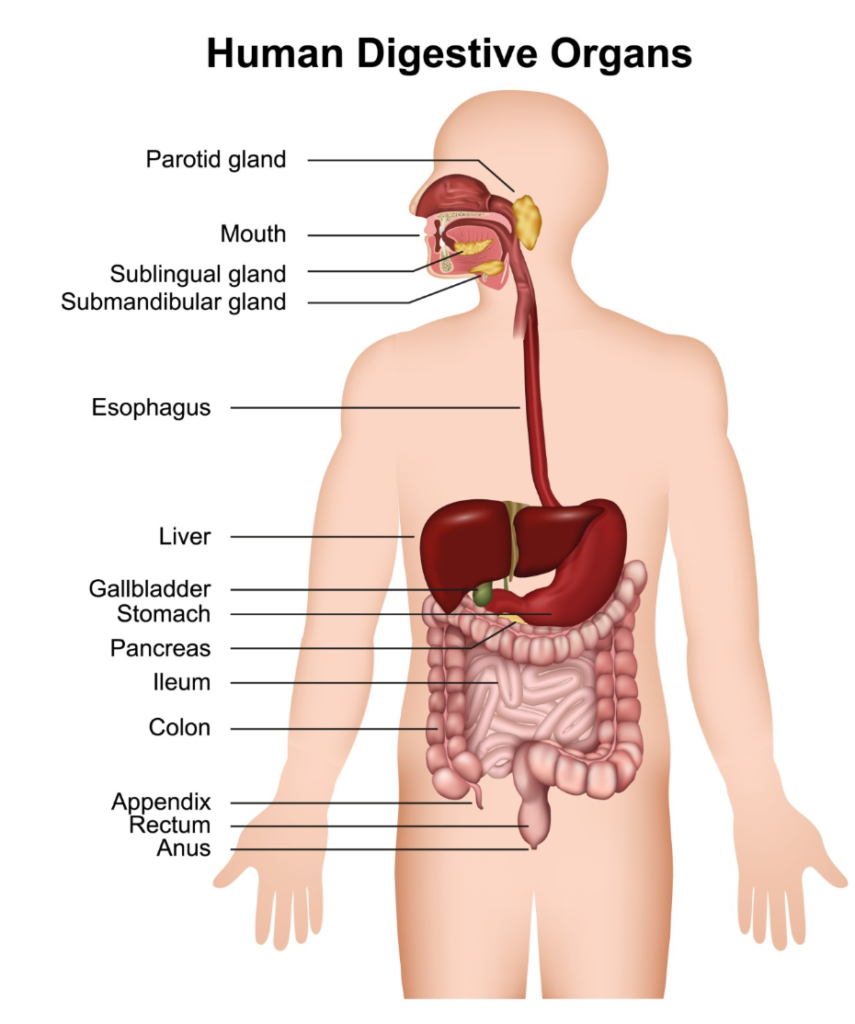
In this early phase, some individuals also report discomfort or a dull ache in the upper right side of the abdomen, specifically in the area where the liver is located. The NHS notes that while some people, particularly young children, may have very mild symptoms or none at all, older children and adults are more likely to experience a more pronounced illness. Because these early signs are non-specific, the infection is often only identified as hepatitis when more distinct symptoms, such as changes in urine or skin colour, begin to develop.
Progression to the Icteric Phase
As the infection progresses, the liver’s ability to process bilirubin is affected, leading to more visible signs of liver inflammation. One of the most common early indicators of this shift is the appearance of dark-coloured urine, which may look similar to cola or strong tea. This is often followed by the development of pale, clay-coloured stools and an intense itching of the skin that cannot be attributed to a rash or external irritant.
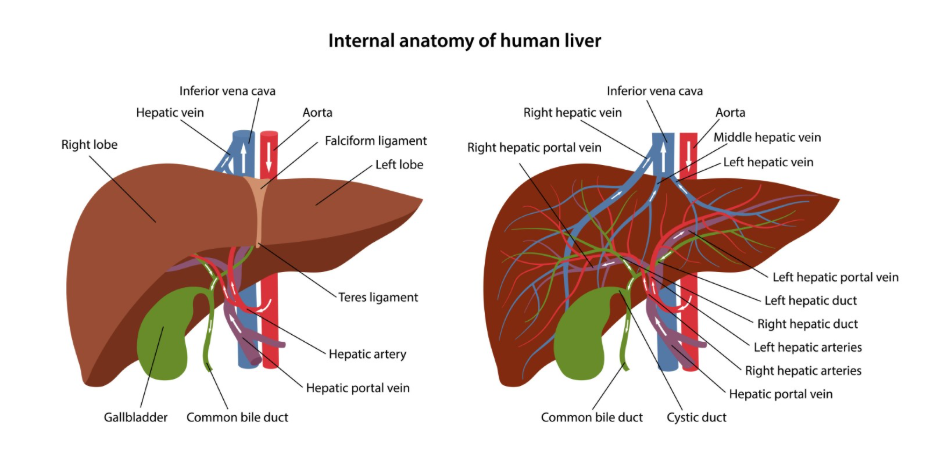
Jaundice is the most well-known symptom of hepatitis A and occurs when there is a build-up of bilirubin in the blood. This manifests as a yellowing of the whites of the eyes and the skin, providing a clear clinical sign of acute liver distress. By the time jaundice appears, the initial flu-like symptoms may start to subside, but the patient may still feel significantly fatigued and experience ongoing digestive issues.
Understanding Transmission and Incubation
Hepatitis A is primarily spread through the faecal-oral route, which occurs when an uninfected person consumes food or water contaminated with the faeces of an infected individual. This can happen through close personal contact, poor hand hygiene, or by consuming raw shellfish harvested from contaminated water. In the UK, outbreaks are often linked to travel to regions where the virus is more common or through specific high-risk social networks.
The incubation period for hepatitis A is relatively long, with symptoms usually appearing between two and seven weeks after exposure. During this time, the virus replicates in the liver and is shed in the faeces, meaning a person can be highly infectious even before they realise they are unwell. NICE guidelines focus on the importance of vaccination for high-risk groups and travellers to prevent the transmission of the virus within the community.
Clinical Assessment and Diagnosis
When a person presents with symptoms suggestive of acute hepatitis, a healthcare professional will typically perform blood tests to confirm the presence of the virus. These tests look for specific antibodies produced by the immune system in response to the hepatitis A virus. A physical examination may also reveal a slightly enlarged or tender liver when the abdomen is pressed.
Because hepatitis A is a self-limiting viral infection, there is no specific curative treatment or antibiotic for the virus itself. The clinical focus is on supportive care, which includes maintaining hydration, managing nausea, and ensuring adequate rest. Patients are also advised to avoid alcohol and certain medications that can further stress the liver while it is inflamed.
Comparison of Hepatitis Virus Symptoms
| Feature | Hepatitis A | Hepatitis B | Hepatitis C |
| Onset of Symptoms | Often sudden | Usually gradual | Often asymptomatic |
| Dark Urine/Pale Stool | Common in acute phase | Common in acute phase | Rare in early stages |
| Jaundice | Highly common in adults | Common in adults | Uncommon |
| Duration of Illness | 2 to 6 months | Can be lifelong | Usually lifelong |
| Primary Risk | Contaminated food/water | Blood/bodily fluids | Blood-to-blood contact |
Conclusion
The early symptoms of hepatitis A are primarily flu-like and gastrointestinal, progressing to more specific markers of liver distress such as jaundice and dark urine. While the illness can be debilitating and last for several months, most people make a full recovery without permanent liver damage. Awareness of these early signs and maintaining good hygiene are the most effective ways to manage the impact of the virus. If you experience severe, sudden, or worsening symptoms, call 999 immediately.
How long does it take for symptoms to show after exposure?
Symptoms typically appear between 28 and 30 days after exposure, but the window can range from 15 to 50 days.Is hepatitis A dangerous for children?
Is hepatitis A dangerous for children?
Young children often have very mild symptoms or no symptoms at all, though they can still spread the virus to others.
Can I catch hepatitis A more than once?
No, once you have recovered from a hepatitis A infection, your body develops lifelong immunity to the virus.
Should I stay away from work or school if I have symptoms?
Yes, you are highly infectious; public health advice usually suggests staying at home for at least one week after the start of jaundice.
Does hepatitis A lead to chronic liver disease?
Unlike hepatitis B or C, hepatitis A does not cause chronic infection and almost all patients recover completely.
How can I prevent catching the virus?
The most effective prevention methods are the hepatitis A vaccine and practicing thorough handwashing, especially after using the toilet or before handling food.
Can the virus be spread through coughing or sneezing?
No, hepatitis A is not spread through casual contact, coughing, or sneezing; it is spread through the faecal-oral route.
Authority Snapshot (E-E-A-T)
This article provides medically factual health information regarding hepatitis A symptoms, strictly aligned with NHS and NICE clinical guidelines. The content is developed by a professional medical writing team and reviewed by Dr. Stefan Petrov, a UK-trained physician with extensive experience in general medicine, surgery, and emergency care. All information is sourced from official UK health authorities to ensure clinical accuracy and patient safety.



