




Bowel cancer identified at an early stage is often highly treatable, and surgery remains the primary method used by the NHS to remove the cancer from the body. When the cancer is confined to the inner lining of the bowel and has not spread to distant organs, surgical intervention aims to remove all malignant cells, often leading to a complete recovery. The success of this treatment is closely linked to how early the cancer is detected, which is why national screening programmes and symptom awareness are critical components of UK public health strategy.
What We’ll Discuss in This Article
- The effectiveness of surgery for early-stage bowel cancer detection.
- Common types of surgical procedures used for colon and rectal cancer.
- The role of local excision and minimally invasive techniques.
- How multidisciplinary teams plan for successful surgical outcomes.
- What to expect during the recovery period following bowel surgery.
- The importance of follow up monitoring after a successful operation.
Surgery as a Primary Treatment for Early Cancer
Surgery is the most common and effective treatment for early-stage bowel cancer, providing a high likelihood of long term recovery when the cancer is caught before it spreads. The NHS offers surgery as the main treatment for bowel cancer if it is found at an early enough stage to be physically removed. The goal of the operation is to remove the section of the bowel containing the cancer along with a surrounding margin of healthy tissue and nearby lymph nodes to ensure no malignant cells remain.
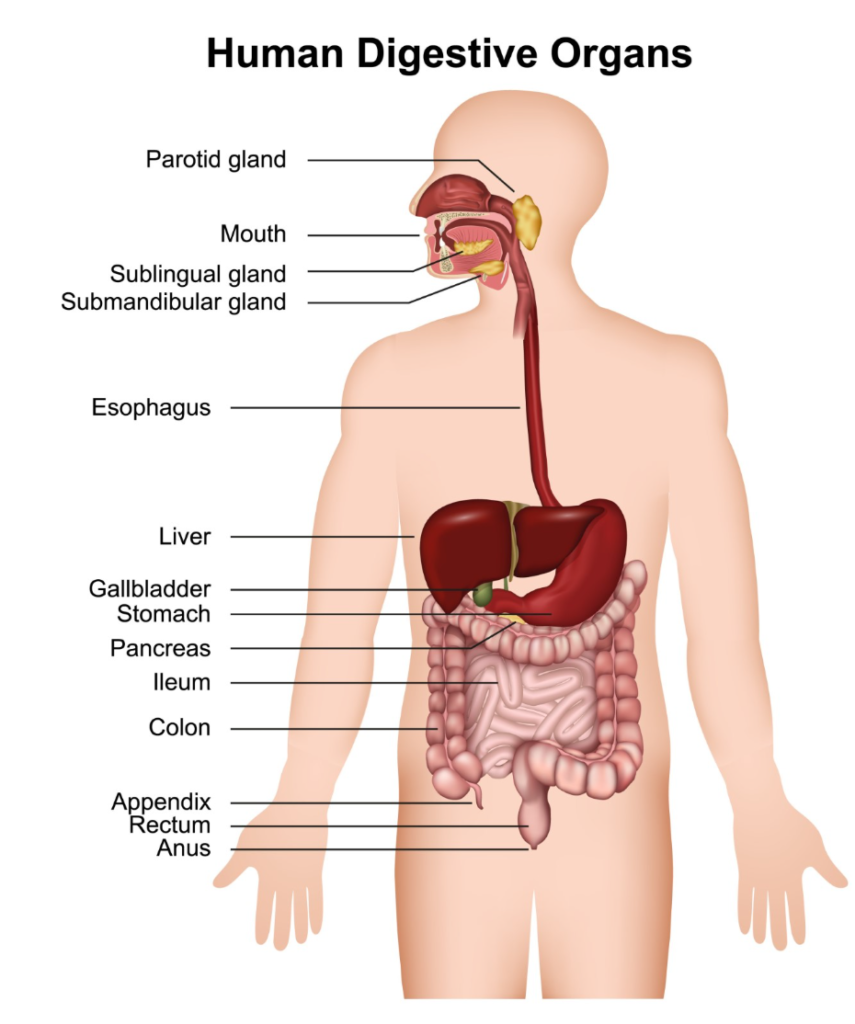
For very early cancers or pre-cancerous growths, a less invasive procedure called a local excision might be possible. This involves removing only a small piece of the bowel wall, often during a colonoscopy, without the need for a large abdominal incision. However, for most confirmed cancers, a more formal operation to remove a segment of the bowel is standard practice to ensure the best possible chance of clear margins and a successful outcome.
Types of Operations for Early Bowel Cancer
The specific type of surgery performed depends on the exact location of the cancer within the large bowel. If the cancer is on the right side of the colon, a right hemicolectomy is performed; if it is on the left, a left hemicolectomy is required. For cancers located in the rectum, the procedure is typically an anterior resection or, in specific cases where the cancer is very low, an abdominoperineal resection.
Many of these operations are now performed using laparoscopic or “keyhole” surgery. This involves making several small incisions rather than one large one, using a camera and specialised instruments to perform the resection. NICE clinical guidelines recommend laparoscopic surgery as an option for most bowel cancer patients as it typically results in less pain and a faster return to normal activities. The choice between open and keyhole surgery is made by the surgeon based on the size of the tumour and the patient’s overall health.
The Role of the Multidisciplinary Team
In the UK, every patient with a diagnosis of bowel cancer has their case reviewed by a multidisciplinary team before surgery takes place. This team consists of surgeons, oncologists, radiologists, and specialist nurses who collaborate to ensure the surgical plan is appropriate for the stage of the cancer. They review all diagnostic scans and biopsies to confirm that surgery is the best first step and to determine if any additional treatments, such as chemotherapy, might be beneficial after the operation.
This team approach ensures that surgery is not viewed in isolation but as part of a comprehensive care pathway. By coordinating different specialities, the NHS ensures that patients receive a consistent standard of care regardless of which hospital they attend. The team also assesses the patient’s fitness for surgery, sometimes recommending a period of “prehabilitation” including exercise or nutritional support to improve the chances of a smooth recovery.
Success Rates and Long Term Outcomes
The likelihood of a successful outcome following surgery for early bowel cancer is significantly higher than for cancers diagnosed at later stages. When the cancer is caught in Stage 1, it means the cells have not grown beyond the inner layers of the bowel wall. In these cases, surgery is often the only treatment required, and the vast majority of patients remain free of cancer for many years following their operation.
| Cancer Stage | Description | Common Surgical Goal |
| Stage 1 | Contained within the bowel wall | Complete removal for cure |
| Stage 2 | Grown through the bowel wall | Removal, possible chemotherapy |
| Stage 3 | Spread to nearby lymph nodes | Removal plus chemotherapy |
| Stage 4 | Spread to distant organs | Management or palliative care |
While no medical procedure can guarantee a 100% cure rate, the surgical removal of an early-stage tumour is the closest the medical community can get to that goal. Public health data published on GOV.UK highlights that early diagnosis through screening is the most effective way to increase the number of patients eligible for curative surgery. Following surgery, the removed tissue is analysed in a laboratory to confirm that the margins are clear of cancer, which provides further reassurance regarding the success of the procedure.
Recovery and Post-Surgical Care
Recovery from bowel surgery usually involves a hospital stay of several days, during which the clinical team monitors the return of normal bowel function. Patients are encouraged to get out of bed and walk as soon as possible after the operation to reduce the risk of blood clots and chest infections. Modern “Enhanced Recovery” programmes are used throughout the NHS to help patients return home sooner and recover more effectively.
Once home, recovery continues for several weeks. It is normal to experience changes in bowel habits, such as increased frequency or urgency, as the body adjusts to the shortened section of the bowel. Specialist stoma nurses are available for those who require a temporary or permanent stoma bag. Most patients find that their bowel function settles into a new routine over time, and they are able to return to their normal diet and lifestyle within a few months of the operation.
Importance of Follow-Up Monitoring
Even when surgery is considered successful and the cancer is thought to be removed, regular follow-up is a standard part of UK cancer care. This surveillance usually lasts for five years and involves regular blood tests, such as the Carcinoembryonic Antigen test, along with periodic CT scans and colonoscopies. The purpose of these checks is to monitor the patient’s health and to ensure that if any new issues arise, they are identified and managed promptly.
Attending these follow-up appointments is essential for maintaining long-term health. The frequency of these check-ups usually decreases over time as the risk of the cancer returning diminishes. By the five-year mark, if all tests remain clear, many patients are discharged from the specialist clinic and return to the care of their GP, though they are still encouraged to take part in the national bowel screening programme when invited.
Conclusion
Surgery for early bowel cancer is a highly effective treatment that offers many patients a path to full recovery. By removing the cancer before it has a chance to spread, the NHS can provide curative care that significantly improves long-term survival. Early detection through screening and prompt investigation of symptoms remain the most important factors in ensuring that surgery can be performed successfully. If you experience severe, sudden, or worsening symptoms, call 999 immediately.
Is bowel surgery a major operation?
Yes, bowel resection is considered major surgery and requires a stay in hospital, although keyhole techniques have made the recovery process much faster.
Will I need chemotherapy if the surgery was successful?
If the cancer was very early (Stage 1), chemotherapy is usually not needed, but it may be recommended for Stage 2 or 3 to reduce the risk of recurrence.
How soon can I eat after bowel surgery?
Most patients are encouraged to start sipping fluids and eating light snacks within 24 hours of their operation to help the bowel start working again.
Can early bowel cancer be treated without surgery?
Surgery is the gold standard for cure, though very small polyps can sometimes be removed during a colonoscopy without a formal operation.
Will I have a permanent stoma bag after surgery?
Most people do not need a permanent stoma; if one is needed, it is often temporary to allow the bowel to heal after the join is made.
Can the cancer come back after it has been removed?
There is always a small risk of recurrence, which is why the NHS provides a five-year follow-up programme to monitor your health.
Does keyhole surgery work as well as open surgery?
Yes, clinical studies show that keyhole surgery is just as effective at removing cancer as open surgery, provided it is performed by a trained specialist.
Authority Snapshot (E-E-A-T)
This article is designed to provide patient-focused education on UK bowel cancer surgery, strictly following the evidence-based guidelines of the NHS and NICE. The content is authored by a medical writing team and reviewed by Dr. Stefan Petrov, a UK-trained physician with experience in surgery, anaesthesia, and diagnostic medicine. All information is verified against national health protocols to ensure accuracy and patient safety.



