




Viral hepatitis refers to inflammation of the liver caused by a variety of viruses, most commonly types A, B, and C. While many cases are mild or even asymptomatic, these infections can sometimes progress to a severe state where liver function becomes significantly impaired. Recognising the clinical indicators of advanced liver distress is vital for ensuring that patients receive appropriate medical monitoring and intervention. In the UK, the management of severe hepatitis is guided by evidence-based protocols to minimise the risk of long-term damage or acute hepatic failure.
What We’ll Discuss in This Article
- General indicators of acute liver inflammation across all types.
- Symptoms specific to severe or fulminant Hepatitis A.
- Signs of complications in acute and chronic Hepatitis B.
- Indicators of advanced liver disease related to Hepatitis C.
- The physical manifestation of jaundice and its clinical significance.
- When viral hepatitis requires hospital-based monitoring.
Common Signs of Acute Liver Distress
Severe hepatitis of any type often manifests through a cluster of symptoms indicating that the liver is struggling to process toxins and maintain normal metabolic functions. One of the most prominent signs is jaundice, which causes a distinct yellowing of the skin and the whites of the eyes due to a build-up of bilirubin in the bloodstream. The NHS notes that jaundice is a primary indicator of liver inflammation and is often accompanied by dark-coloured urine and pale, clay-coloured stools.
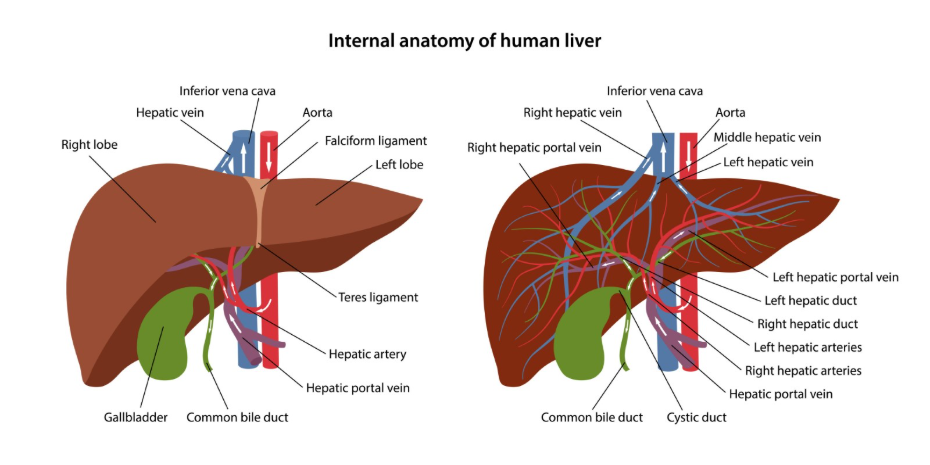
In addition to visual changes, severe acute hepatitis can cause intense abdominal pain, particularly in the upper right quadrant where the liver is situated. Patients may also experience extreme fatigue, persistent nausea, and a complete loss of appetite. When these symptoms occur suddenly and with high intensity, it suggests that the liver inflammation is acute and requires professional clinical evaluation to monitor for potential complications.
Signs of Severe Hepatitis A
Severe Hepatitis A is relatively rare, as the virus typically causes a self-limiting illness, but in some cases, it can lead to acute liver failure, particularly in older adults or those with pre-existing liver conditions. Signs that the infection is becoming severe include an escalation of digestive distress and the rapid onset of deep jaundice. If the liver begins to fail, the patient may show signs of mental confusion or extreme drowsiness, a condition known as hepatic encephalopathy.
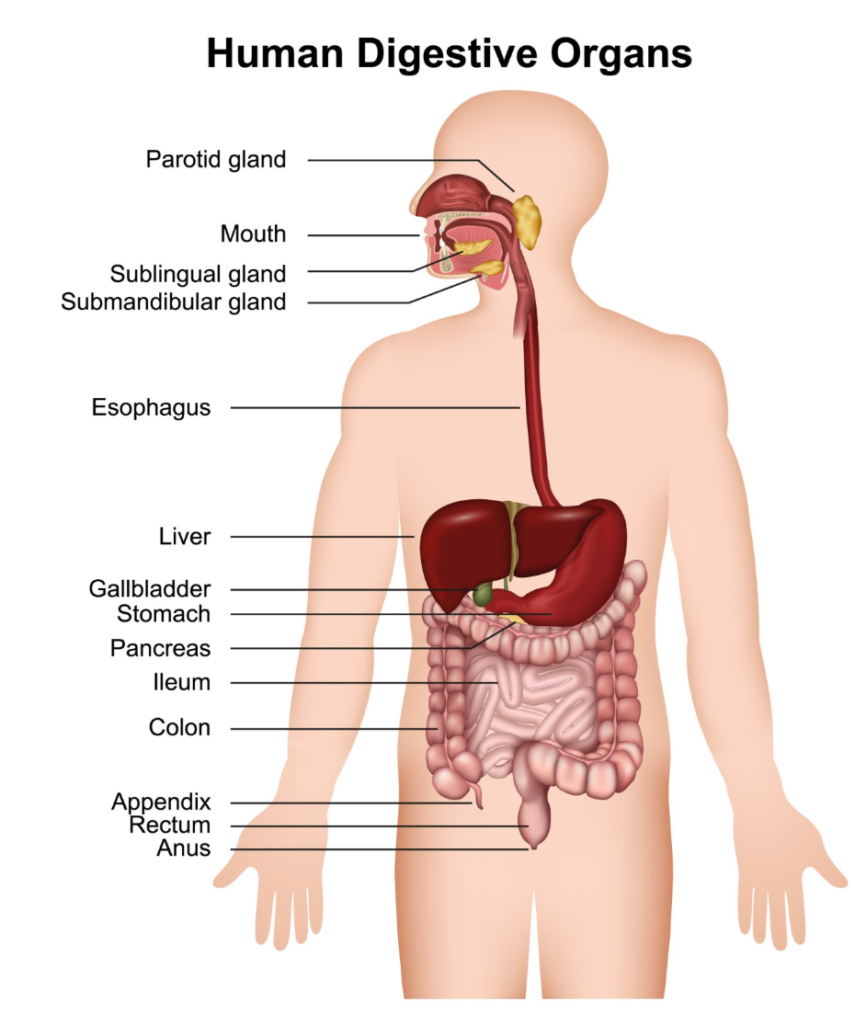
The UK Health Security Agency monitors Hepatitis A outbreaks and notes that severe cases may involve a significant increase in liver enzymes and bilirubin levels in the blood. Another sign of severity in Hepatitis A is the development of a bleeding tendency, where the patient may bruise easily or experience prolonged bleeding from minor cuts. This occurs because a severely inflamed liver cannot produce the proteins necessary for blood clotting.
Indicators of Complications in Hepatitis B
Severe Hepatitis B can occur during a sudden acute infection or as a complication of long-term chronic disease. In acute cases, the signs of severity are similar to those of other viral hepatitis types but may be more prolonged. If the infection becomes chronic and remains untreated for many years, it can lead to cirrhosis, which is extensive scarring of the liver tissue.
Signs suggesting that chronic Hepatitis B has caused significant damage include swelling in the legs and ankles (oedema) or the accumulation of fluid in the abdomen (ascites). Patients may also develop visible “spider naevi,” which are small, spider-like blood vessels on the surface of the skin. NICE clinical guidelines for Hepatitis B focus on identifying these markers of cirrhosis to determine the necessity of antiviral treatment and long-term surveillance.
Signs of Advanced Hepatitis C
Hepatitis C is often a “silent” infection for many years, but severe symptoms manifest once the virus has caused significant liver scarring or led to liver failure. Because Hepatitis C rarely causes a severe acute illness, the signs of severity are usually associated with the end-stage of chronic infection. One serious indicator is haematemesis, which is the vomiting of blood, often caused by enlarged veins in the oesophagus (varices) that result from liver scarring.
Other signs of severe Hepatitis C include persistent cognitive changes, such as forgetfulness or a reversed sleep-wake cycle, indicating that the liver is no longer filtering ammonia from the blood effectively. As the liver damage progresses, the patient may also experience significant and unexplained weight loss and muscle wasting. These signs suggest that the liver’s synthetic function is failing, necessitating urgent specialist hepatology intervention.
Comparison of Severity Indicators
| Symptom Category | Mild to Moderate | Severe or Advanced |
| Skin/Eyes | Mild yellowing | Deep jaundice, intense itching |
| Mental State | Normal | Confusion, lethargy, coma |
| Abdominal | Dull ache, bloating | Ascites (fluid), severe pain |
| Bleeding | Normal | Easy bruising, bleeding gums |
| Excretory | Dark urine | Dark urine, consistently pale stools |
| General | Fatigue, nausea | Vomiting blood, muscle wasting |
Diagnostic and Monitoring Procedures
When signs of severe hepatitis are identified, UK clinicians use a series of diagnostic tests to assess the extent of the liver damage. Blood tests known as Liver Function Tests (LFTs) measure the levels of enzymes and proteins, such as albumin and prothrombin time, which indicate how well the liver is functioning. Imaging, such as an ultrasound or a FibroScan, may also be used to look for physical changes like scarring or fluid accumulation.
Monitoring the severity of viral hepatitis is a continuous process. For those with chronic B or C, regular blood tests and scans are performed to detect any transition from a stable state to a severe or advanced state. Early identification of these shifts allows for the adjustment of antiviral medications and the implementation of supportive care measures to manage symptoms and prevent further deterioration of the liver.
Conclusion
Signs suggesting severe hepatitis include deep jaundice, mental confusion, fluid accumulation in the abdomen, and bleeding tendencies. While most viral hepatitis infections are manageable, the progression to a severe state requires specialised clinical monitoring to prevent liver failure. Awareness of these advanced symptoms is essential for both patients and healthcare providers in the UK to ensure the best possible outcomes. If you experience severe, sudden, or worsening symptoms, call 999 immediately.
Does jaundice always mean the hepatitis is severe?
Jaundice is a sign of liver inflammation, but it can occur in moderate cases; its severity is often judged alongside other factors like blood clotting time and mental clarity.
Can severe hepatitis be cured?
Acute severe cases often require supportive hospital care while the body recovers; chronic severe cases may require long-term antiviral medication or, in some instances, a transplant.
Is the confusion in severe hepatitis permanent?
Mental confusion caused by liver issues can often be reversed if the underlying liver function improves or toxins are removed through medical treatment.
Why does severe hepatitis cause swelling in the legs?
When the liver is severely damaged, it cannot produce enough of the protein albumin, which helps keep fluid inside the blood vessels.
Is vomiting blood a common sign of hepatitis?
It is not common in early stages but is a very serious sign of advanced liver scarring (cirrhosis) that can occur after years of chronic Hepatitis B or C.
Can a person feel fine even if their hepatitis is becoming severe?
It is unlikely for a severe acute infection to be painless, but chronic damage can reach an advanced stage with only vague symptoms like fatigue before becoming severe.
What is the most serious complication of severe hepatitis?
The most serious complication is acute liver failure, where the liver rapidly loses all function, requiring intensive medical support.
Authority Snapshot (E-E-A-T)
This article provides medically factual health information regarding the signs of severe viral hepatitis, strictly aligned with NHS and NICE clinical guidelines. The content is authored by a medical writing team and reviewed by Dr. Stefan Petrov, a UK-trained physician with experience in general medicine, surgery, and emergency care. All information is based on current UK public health standards to ensure accuracy and patient safety.



