




Jaundice is a clinical sign characterised by the yellowing of the skin and the whites of the eyes, resulting from an accumulation of a substance called bilirubin in the body’s tissues and bloodstream. In the context of viral hepatitis, this condition serves as a visible indicator that the liver is inflamed and currently unable to perform its normal metabolic functions effectively. While the presence of jaundice can be alarming, it is a well-understood physiological response to liver distress caused by the Hepatitis A, B, or C viruses, each of which impacts the organ’s ability to process and excrete waste products in distinct ways.
What We’ll Discuss in This Article
- The biological role of bilirubin and how the liver normally processes it.
- The specific impact of viral inflammation on liver cell function.
- Why jaundice is more common in some types of hepatitis than others.
- Associated physical changes such as dark urine and pale stools.
- How clinicians in the UK monitor jaundice levels during infection.
- The typical timeline for the resolution of jaundice during recovery.
The Biological Process of Bilirubin Production
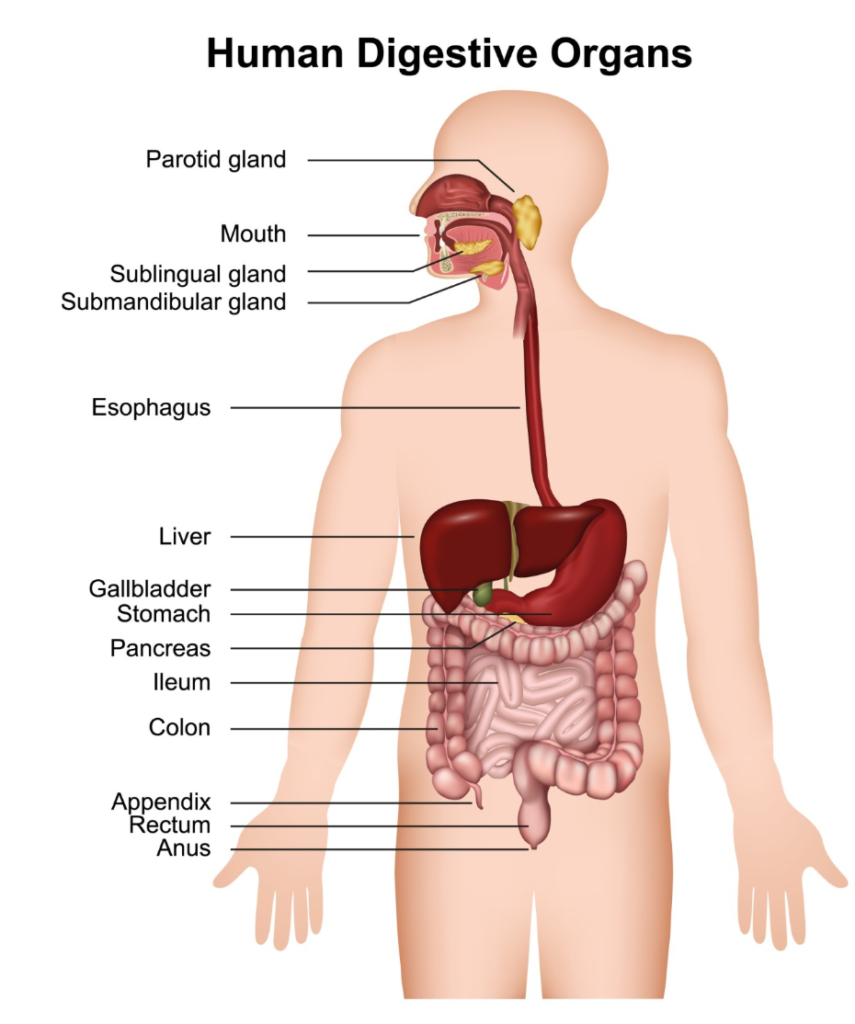
Jaundice occurs when the liver cannot effectively filter bilirubin, a yellow pigment created during the natural breakdown of old or damaged red blood cells. Under normal circumstances, the liver absorbs bilirubin from the blood, chemically modifies it to make it water-soluble, and then excretes it into the bile duct. From there, it travels to the gallbladder and eventually into the digestive tract, where it contributes to the typical brown colour of stool.
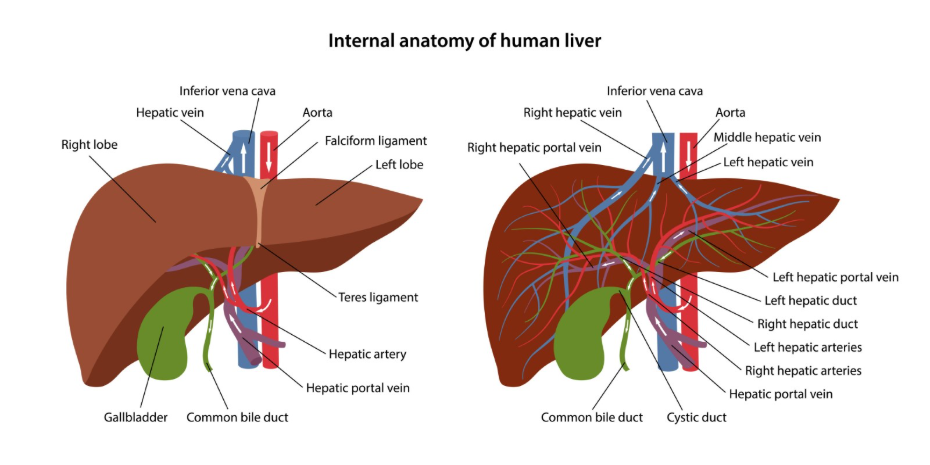
The NHS explains that jaundice is caused by a build-up of bilirubin in the blood when the liver is damaged or unable to function correctly due to infection or inflammation. When a virus like Hepatitis A, B, or C infects the liver cells (hepatocytes), these cells become swollen and inflamed. This inflammation disrupts the delicate transport systems within the liver, causing bilirubin to leak back into the bloodstream instead of being excreted into the bile ducts, leading to the characteristic yellow discolouration of the skin and eyes.
Hepatitis A and the Onset of Jaundice
In Hepatitis A infections, jaundice is a very common feature in adults and older children, typically appearing after an initial phase of flu-like symptoms. The Hepatitis A virus causes an acute, short-term inflammation of the liver that often leads to a rapid rise in bilirubin levels. Because the liver’s processing capacity is suddenly compromised, the yellowing can appear quite deep and may be accompanied by intense skin itching.
The appearance of jaundice in Hepatitis A usually coincides with an improvement in initial symptoms like fever and nausea, although the patient may still feel significantly fatigued. Public health guidance in the UK notes that while young children with Hepatitis A may not show any signs of jaundice, most adults will experience a visible yellowing that can last for several weeks. As the immune system clears the virus and the inflammation subsides, the liver cells recover their ability to process bilirubin, and the jaundice gradually fades.
Jaundice in Hepatitis B and C Infections
Jaundice presents differently in Hepatitis B and C because these viruses can cause both acute (short-term) and chronic (long-term) infections. During an acute Hepatitis B infection, about one-third of adults will develop jaundice as their immune system aggressively attacks the infected liver cells. In Hepatitis C, however, jaundice is much less common during the early stages, occurring in only a small minority of cases, which is why the infection often remains undetected for many years.
In chronic cases of Hepatitis B or C, jaundice may not appear for decades. When it does manifest in a chronic setting, it often suggests that the liver has sustained significant long-term damage, such as cirrhosis or advanced scarring. In these instances, the liver’s architecture has been so altered by scar tissue that it can no longer maintain the flow of bile or the processing of bilirubin. NICE clinical guidelines for Hepatitis B emphasise that the development of jaundice in a person with chronic infection requires urgent specialist review to assess liver synthetic function.
Associated Changes in Urine and Stools
The same process that causes the skin to turn yellow also leads to distinct changes in the colour of a patient’s urine and stools. Because the liver cannot excrete bilirubin into the digestive tract, the stools lose their usual brown pigment and often appear pale, grey, or clay-coloured. This is a significant clinical sign that the normal pathway for bile excretion is blocked or severely disrupted by liver inflammation.
Simultaneously, the excess bilirubin in the blood is filtered by the kidneys instead of the liver. Bilirubin that has been processed by the kidneys turns the urine a very dark colour, often described as looking like strong tea or cola. These excretory changes often appear slightly before the skin turns yellow and are reliable indicators of liver distress that should be reported to a healthcare professional during a clinical assessment.
Monitoring and Resolution of Jaundice
Clinical teams in the UK monitor the severity of jaundice by performing blood tests known as Liver Function Tests (LFTs), which specifically measure the concentration of bilirubin. A high bilirubin level, combined with elevated liver enzymes, confirms that the jaundice is “hepatic,” meaning it originates from within the liver itself rather than from a blood disorder or a gallbladder obstruction. These tests are repeated throughout the course of the illness to ensure that the levels are trending downwards as the patient recovers.
| Excretory Marker | Normal State | Hepatitis with Jaundice |
| Skin / Eye Colour | Natural tone / White | Yellow or orange tint |
| Urine Colour | Straw-coloured / Clear | Dark brown or tea-coloured |
| Stool Colour | Brown | Pale, grey, or clay-coloured |
| Bilirubin Levels | Low / Normal | Elevated |
The resolution of jaundice depends on how quickly the liver inflammation subsides. In acute Hepatitis A or B, the yellowing typically peaks within a week or two and then slowly diminishes over the following month. In chronic conditions, the management of jaundice focuses on treating the underlying virus with antiviral medications to reduce inflammation and prevent further scarring, thereby allowing the remaining healthy liver tissue to function more efficiently.
Conclusion
Jaundice occurs in Hepatitis A, B, and C infections because the inflamed liver cells lose their ability to process and excrete bilirubin, a byproduct of red blood cell breakdown. This lead to a build-up of the pigment in the blood, causing visible yellowing of the skin and eyes alongside changes in the colour of urine and stools. While the presence of jaundice confirms liver involvement, the clinical outlook depends on the specific virus involved and the extent of the inflammation. If you experience severe, sudden, or worsening symptoms, call 999 immediately.
Does jaundice always mean I have hepatitis?
No, jaundice can also be caused by gallstones, certain blood disorders, or alcohol-related liver disease, so it always requires a professional medical diagnosis.
Is jaundice painful?
The yellowing itself is not painful, but the underlying liver inflammation can cause discomfort or a dull ache in the upper right side of the abdomen.
Why does jaundice make my skin itch?
Itching (pruritus) is thought to be caused by the build-up of bile salts in the skin along with the bilirubin during liver distress.
Can I have hepatitis without ever turning yellow?
Yes, many people, especially those with Hepatitis C or young children with Hepatitis A, never develop jaundice despite being infected.
How long does it take for the yellow colour to go away?
In most acute cases, the yellowing starts to fade within two to four weeks as the liver begins to heal.
Is jaundice contagious?
Jaundice itself is not contagious, but the viruses that cause it, such as Hepatitis A or B, are highly infectious.
Should I change my diet if I have jaundice?
You should follow clinical advice, which usually involves avoiding alcohol and eating a balanced diet to avoid further stress on the liver.
Authority Snapshot (E-E-A-T)
This article provides medically factual health information regarding the causes of jaundice in viral hepatitis, strictly aligned with NHS and NICE clinical protocols. The content is developed by a professional medical writing team and reviewed by Dr. Stefan Petrov, a UK-trained physician with experience in general medicine, surgery, and emergency care. All information is sourced from official UK health authorities to ensure clinical accuracy and patient safety.



