




Lifestyle changes play a supportive role in the management of bowel cancer and are an essential component of long-term recovery and health maintenance. While clinical treatments such as surgery, chemotherapy, and radiotherapy are the primary methods for treating the disease, adjusting daily habits can help improve a patient’s physical resilience and potentially reduce the risk of the cancer returning. The NHS encourages a holistic approach to health following a diagnosis, focusing on nutrition, physical activity, and the cessation of harmful habits to support the body’s natural recovery processes.
What We’ll Discuss in This Article
- The impact of dietary fibre and red meat consumption on bowel health.
- The role of regular physical activity in recovery and prevention.
- Managing body weight to improve long-term clinical outcomes.
- The importance of reducing alcohol intake and stopping smoking.
- How lifestyle adjustments complement standard medical treatments.
- Practical steps for maintaining a bowel-friendly lifestyle after treatment.
The Role of Nutrition in Bowel Health
Dietary choices are a significant factor in managing bowel health and reducing the likelihood of developing new polyps or tumours. The NHS recommends a balanced diet high in fibre from fruit, vegetables, and whole grains to support healthy bowel function and overall digestive health. Fibre helps waste move more efficiently through the digestive system, which reduces the time that the lining of the bowel is exposed to potentially harmful substances.
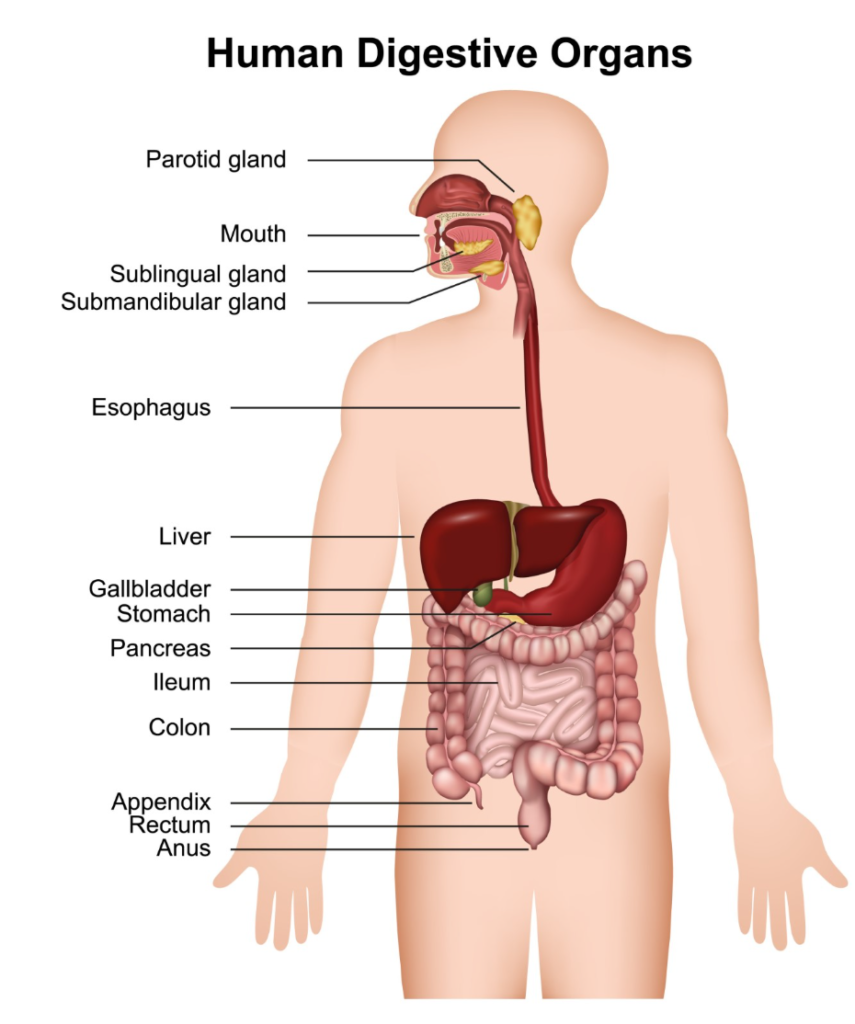
In addition to increasing fibre, clinical guidelines suggest limiting the intake of red and processed meats, such as beef, lamb, pork, ham, bacon, and sausages. High consumption of these meats has been linked to an increased risk of bowel cancer. Replacing these with lean proteins like fish, poultry, beans, or pulses is a common recommendation for those looking to manage their health proactively after a diagnosis. Maintaining adequate hydration is also essential, as water assists fibre in keeping the digestive tract clear and regular.
Physical Activity and Recovery
Engaging in regular physical activity is one of the most effective lifestyle changes for improving recovery outcomes and reducing the risk of cancer recurrence. Exercise helps regulate hormone levels, strengthens the immune system, and assists in maintaining a healthy digestive transit time. NICE guidelines support the use of physical activity as part of a comprehensive rehabilitation programme to help patients regain strength and manage fatigue after cancer treatment.
Patients are often encouraged to start with low-impact activities, such as walking, and gradually increase the intensity as their strength returns. Consistent movement also helps manage some of the side effects associated with treatment, such as lethargy and mood changes. The goal is to achieve at least 150 minutes of moderate-intensity activity per week, spread across several days, to provide the maximum benefit for long-term health and bowel function.
Weight Management and Clinical Outcomes
Maintaining a healthy body weight is closely linked to improved survival rates and a lower risk of bowel cancer recurrence. Excess body fat, particularly around the waist, can lead to chronic inflammation and changes in insulin levels, both of which may create an environment conducive to the growth of cancer cells. Clinical teams often monitor a patient’s Body Mass Index as part of their follow-up care to ensure they are within a healthy range.
For individuals who are overweight, a gradual and sustainable weight loss plan involving both diet and exercise is recommended. Rapid weight loss is generally discouraged during active treatment, as the body needs sufficient energy and protein to heal. Once treatment is complete, focusing on a nutrient-dense diet and portion control can help achieve a stable weight that supports the body’s long-term health and reduces the metabolic stress that can contribute to cancer progression.
Alcohol Consumption and Smoking Cessation
Reducing alcohol intake and stopping smoking are critical lifestyle adjustments for anyone recovering from bowel cancer. Smoking introduces a wide range of carcinogens into the body and is associated with an increased risk of developing various cancers, including those of the digestive tract. It also impairs the body’s ability to heal after surgery and can exacerbate the side effects of chemotherapy.
Alcohol consumption is also a known risk factor for bowel cancer. The UK Chief Medical Officers’ guidelines recommend that both men and women should not regularly drink more than 14 units of alcohol per week to keep health risks low. High alcohol intake can interfere with the absorption of essential vitamins and minerals that the body requires for repair. Choosing to limit or eliminate alcohol and tobacco is a powerful way for patients to take control of their health and protect their bowel from further irritation or damage.
Comparative Benefits of Lifestyle Adjustments
While medical treatments target the cancer directly, lifestyle changes address the environment in which the cancer grows. Combining these two approaches provides a multi-layered strategy for health. The following table illustrates how different lifestyle factors contribute to the management and prevention of bowel cancer:
| Lifestyle Factor | Primary Benefit | Actionable Step |
| High Fibre Diet | Improves bowel transit and health | Eat 5 portions of fruit/veg daily |
| Physical Activity | Boosts immunity and reduces fatigue | 30 minutes of brisk walking daily |
| Weight Control | Reduces chronic inflammation | Monitor portion sizes and BMI |
| Smoking Cessation | Enhances healing and reduces toxins | Access NHS stop smoking services |
| Reduced Alcohol | Protects bowel lining and liver | Limit to under 14 units per week |
Conclusion
Lifestyle changes are a valuable addition to standard medical care in the management of bowel cancer and the prevention of its recurrence. By focusing on a high-fibre diet, regular exercise, and the avoidance of tobacco and excessive alcohol, patients can support their recovery and improve their long-term health prospects. These habits create a healthier internal environment and help the body remain resilient following the challenges of cancer treatment. If you experience severe, sudden, or worsening symptoms, call 999 immediately.
Can diet alone cure bowel cancer?
Diet cannot cure cancer and should never replace medical treatments like surgery or chemotherapy, but it is a vital support tool for recovery.
How much red meat is safe to eat?
The current recommendation is to limit red and processed meat to no more than 70g per day if you currently eat more than 90g.
Is it safe to exercise during chemotherapy?
Many patients find gentle exercise helpful during treatment, but it is important to listen to your body and discuss your activity levels with your oncology team.
Are there specific vitamins I should take to prevent recurrence?
It is generally best to get nutrients from a balanced diet; you should consult your clinical team before starting high-dose supplements, as they can sometimes interfere with treatment.
Does sugar feed bowel cancer?
While all cells use glucose for energy, there is no direct evidence that cutting out sugar will cure cancer; however, reducing sugary foods helps maintain a healthy weight.
How soon after surgery can I start eating fibre again?
You may be on a low-fibre diet immediately after surgery to allow the bowel to heal, so you should follow your surgical team’s specific timeline for reintroducing fibre.
Does drinking coffee affect bowel cancer risk?
Some studies suggest moderate coffee consumption is not harmful and may even be beneficial for bowel health, but it should be part of a balanced diet.
Authority Snapshot (E-E-A-T)
The information provided in this article is evidence-based and aligned with the clinical standards of the NHS and NICE. Our medical content team ensures that all lifestyle recommendations are grounded in current UK health policy and peer-reviewed research. This article has been reviewed by Dr. Stefan Petrov, a UK-trained physician with extensive experience in general medicine and surgical recovery, to ensure accuracy and patient safety.



