




Dietary management is a central component of the recovery process for individuals undergoing treatment for bowel cancer. The food and drink consumed can significantly influence the management of side effects from surgery, chemotherapy, or radiotherapy, and plays a vital role in long-term health maintenance. Recommendations vary significantly depending on the stage of treatment, as the nutritional requirements of the body during active clinical intervention often differ from the dietary goals established once a patient has moved into the recovery and prevention phase.
What We’ll Discuss in This Article
- Nutritional priorities during active treatment such as chemotherapy.
- Short-term dietary modifications required immediately following bowel surgery.
- The transition to a long-term, high-fibre diet for cancer prevention.
- Managing specific side effects like appetite loss or changes in bowel habit.
- The importance of hydration and maintaining a healthy body weight.
- How to identify and limit foods that may cause digestive discomfort.
Nutritional Priorities During Active Treatment
During active treatment such as chemotherapy or radiotherapy, the primary dietary goal is to maintain energy levels and prevent unintentional weight loss. Patients often experience side effects like nausea, taste changes, or a sore mouth, which can make regular eating difficult. The NHS suggests eating small, frequent meals and snacks throughout the day rather than three large meals to help manage a reduced appetite. High-protein and high-calorie foods are often encouraged during this time to help the body repair tissues damaged by treatment.
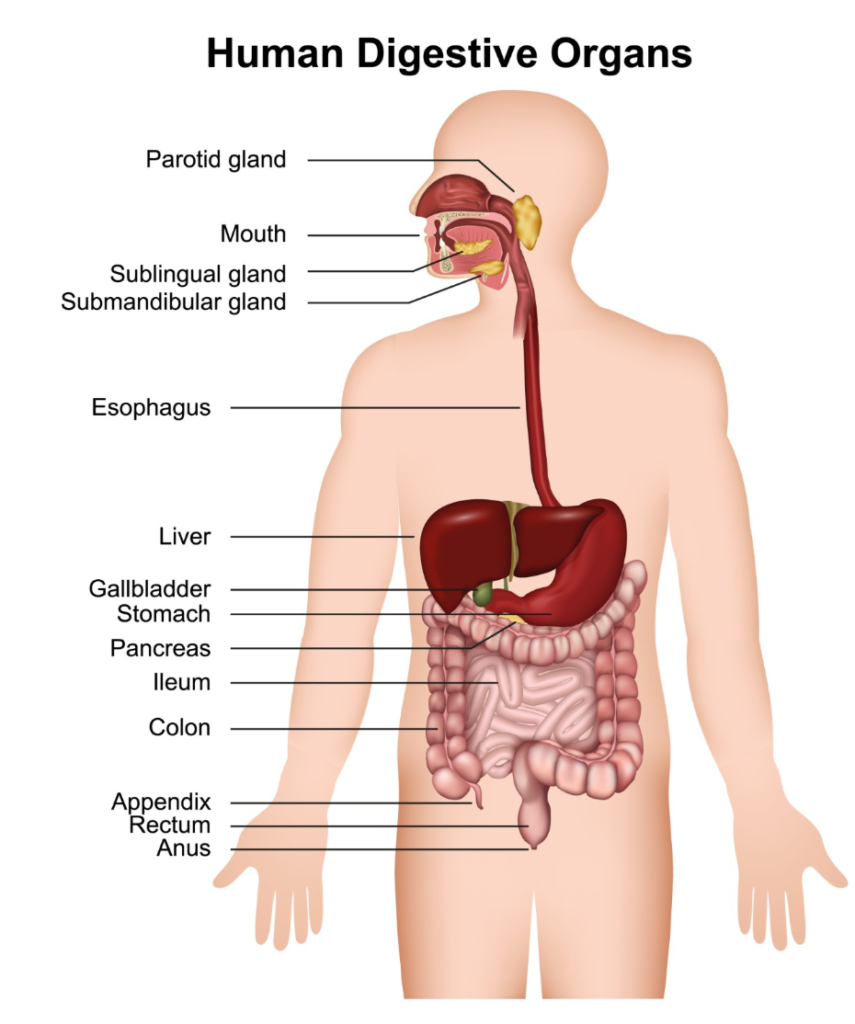
If chemotherapy causes a sore mouth or swallowing difficulties, softer foods like soups, stews, or yoghurt may be better tolerated. It is also important to stay hydrated, as some treatments can cause dehydration through vomiting or diarrhoea. While a healthy, balanced diet is always the aim, the immediate focus during intensive therapy is ensuring the body has enough fuel to tolerate the clinical interventions effectively.
Dietary Adjustments Immediately After Surgery
In the period immediately following bowel surgery, a low-fibre or “low-residue” diet is typically recommended to allow the newly joined sections of the bowel time to heal. This involves avoiding high-fibre foods like wholemeal bread, raw vegetables with skins, nuts, and seeds, which can be difficult for the digestive tract to process while it is inflamed or recovering. Instead, patients are advised to choose “white” carbohydrates such as white bread, pasta, or rice, and well-cooked vegetables without skins.
This restrictive phase is temporary and usually lasts for about two to six weeks. NICE clinical guidelines for colorectal cancer emphasise the importance of gradual reintroduction of foods to monitor how the bowel reacts to different textures. If a patient has a stoma, they may receive specific advice from a stoma nurse regarding foods that might cause blockages or excess gas. Once the surgical site has fully healed and bowel movements have stabilised, the clinical team will provide a timeline for returning to a more varied diet.
Transitioning to Long-Term Bowel Health
Once primary treatment is complete, the dietary focus shifts toward a high-fibre, balanced diet to support long-term bowel health and reduce the risk of recurrence. A high-fibre diet helps regularise bowel movements and maintains the health of the bowel lining. The aim for most adults in the UK is to consume 30g of fibre per day, which can be achieved by choosing wholegrain varieties of bread and cereal, and increasing the intake of pulses, fruit, and vegetables.
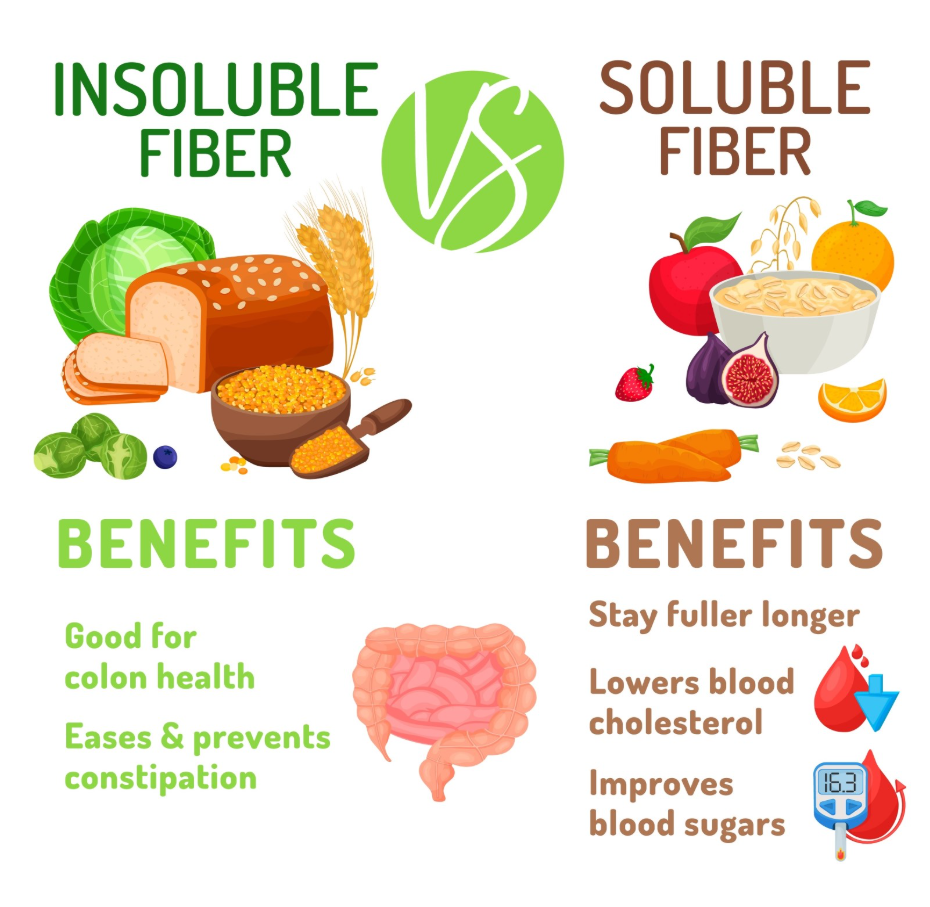
It is also recommended to limit the consumption of red and processed meats, as high intake is linked to an increased risk of bowel cancer. Processed meats include items that have been preserved by smoking, curing, or salting, such as bacon, ham, and sausages. Replacing these with fish, poultry, beans, or meat alternatives can help align a patient’s diet with national health recommendations for cancer prevention.
Managing Treatment Side Effects Through Diet
Specific dietary adjustments can help manage common side effects such as diarrhoea or constipation, which may persist after treatment ends. If a patient suffers from diarrhoea, it may be helpful to temporarily reduce high-fibre foods and limit caffeine or spicy foods that can stimulate the bowel. Conversely, for those experiencing constipation, gradually increasing fibre intake and ensuring adequate fluid consumption are the primary strategies for improvement.
| Symptom | Dietary Adjustment | Foods to Consider |
| Diarrhoea | Low-fibre, plain foods | White rice, bananas, boiled potatoes |
| Constipation | High-fibre, high-fluid | Oats, prunes, wholemeal cereals |
| Wind/Bloating | Avoid gas-producing foods | Limit beans, cabbage, fizzy drinks |
| Poor Appetite | Small, frequent, high-energy | Cheese, eggs, full-fat yoghurt, nuts |
It is beneficial to keep a food diary during this transition period. This allows patients to identify specific “trigger” foods that might be causing discomfort. Because every person’s bowel reacts differently to surgery or radiation, these adjustments are often highly individualised.
The Importance of Hydration and Weight Management
Staying well-hydrated is essential at all stages of the bowel cancer journey, particularly for those who have had portions of their bowel removed. The large bowel plays a major role in absorbing water, so surgery can affect the body’s hydration levels. Drinking plenty of water, herbal teas, or diluted fruit juices helps keep stools soft and prevents the kidneys from being stressed.
Maintaining a healthy body weight after treatment is also a key recommendation. Government health pages highlight that being overweight can increase the risk of several cancers returning, so achieving a stable weight through a combination of diet and physical activity is encouraged. Patients who struggle with weight changes or have specific nutritional concerns are often referred to a specialist oncology dietitian for a more detailed, personalised assessment.
Conclusion
Dietary adjustments for bowel cancer involve a transition from high-energy, easy-to-digest foods during active treatment and surgery to a high-fibre, plant-rich diet for long-term health. These changes help manage side effects, facilitate healing, and support the body’s resilience. While the process requires patience and individual monitoring, following clinical guidance ensures that nutritional intake remains a positive force in recovery. If you experience severe, sudden, or worsening symptoms, call 999 immediately.
Can I eat fruit and vegetables immediately after surgery?
You can, but they should be well-cooked and peeled; raw vegetables and those with skins or seeds should be avoided until your surgical team advises otherwise.
Do I need to take vitamin supplements after bowel cancer treatment?
Most people can get the nutrients they need from a balanced diet, but your doctor may recommend specific supplements if blood tests show a deficiency.
Is it safe to drink alcohol during chemotherapy?
It is generally advised to limit or avoid alcohol during treatment as it can worsen side effects like nausea and interact with certain medications.
Why do I need to eat more protein during treatment?
Protein is essential for repairing body tissues and maintaining muscle mass, which can be depleted during intensive treatments like surgery or chemotherapy.
Does sugar “feed” cancer?
There is no evidence that sugar specifically feeds cancer cells, but high-sugar diets contribute to weight gain, which is a risk factor for cancer recurrence.
How much water should I drink if I have a stoma?
People with a stoma may lose more fluid than others, so it is often recommended to drink at least 8 to 10 cups of fluid a day.
What should I do if I am losing weight despite eating well?
You should contact your specialist nurse or GP, as they may refer you to a dietitian for high-calorie supplement drinks or specific dietary strategies.
Authority Snapshot (E-E-A-T)
This article provides medically safe health information regarding dietary management for bowel cancer, strictly aligned with NHS and NICE clinical guidelines. The content is developed by a professional medical writing team and reviewed by Dr. Stefan Petrov, a UK-trained physician with experience in surgery and general medicine. All recommendations are based on current UK evidence-based protocols to ensure accuracy and patient safety.



