




Hepatitis B can become a chronic lifelong infection if the body’s immune system is unable to clear the virus within six months of the initial exposure. While many adults who contract the virus experience a short term acute illness and recover fully, a significant proportion of individuals remain infected for life. This persistence is particularly common when the virus is acquired during infancy or early childhood. In the United Kingdom, chronic Hepatitis B is managed as a long term health condition, requiring regular clinical monitoring to prevent serious complications such as progressive liver scarring or liver cancer.
What We’ll Discuss in This Article
- The definition of chronic Hepatitis B compared to acute infection.
- How the age at which a person is infected determines chronic risk.
- The biological process of the virus persisting in the liver.
- Potential long term health complications of a lifelong infection.
- Current UK monitoring and management strategies for chronic cases.
- The role of vaccination in preventing the development of chronic disease.
The Transition from Acute to Chronic Infection
Hepatitis B becomes chronic when the Hepatitis B surface antigen remains detectable in the blood for longer than six months. An acute infection is the initial period after exposure; during this time, the immune system usually attempts to neutralise the virus. The NHS states that most adults infected with Hepatitis B will clear the virus and develop lifelong immunity, but those who cannot clear it will develop a chronic infection.
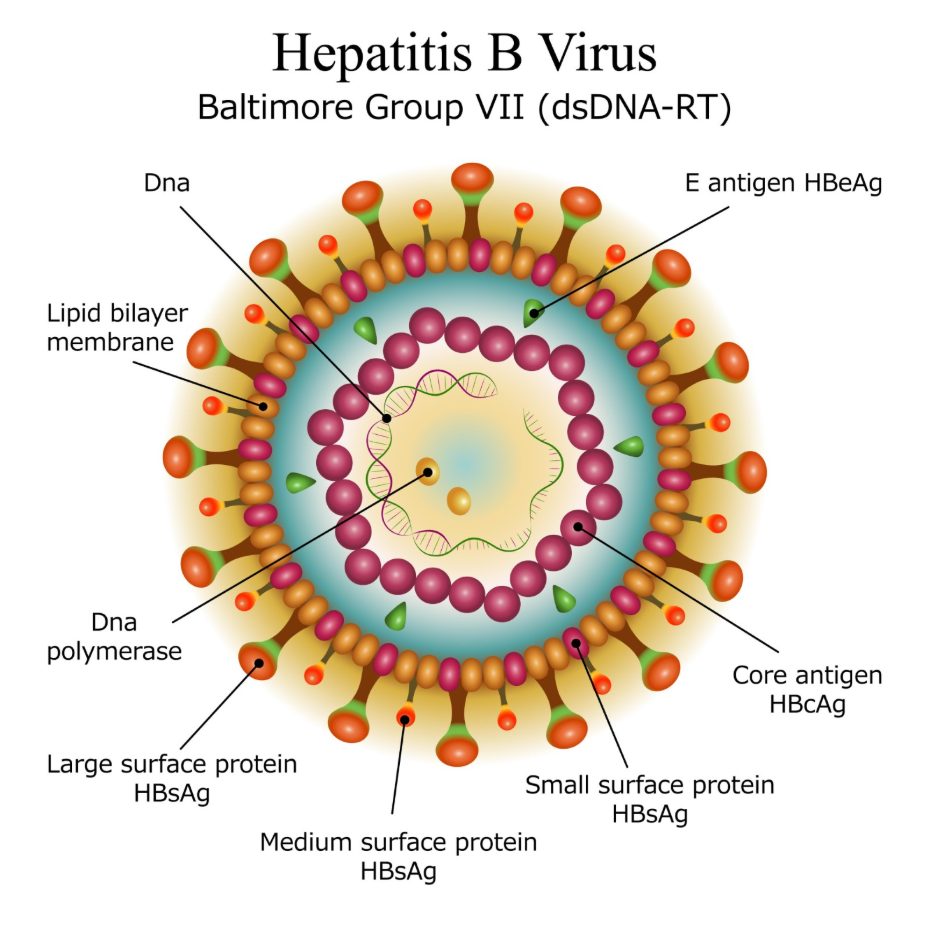
When the infection is chronic, the virus continues to replicate within the liver cells, often without causing obvious symptoms for many years. This asymptomatic nature means that individuals may unknowingly carry the virus for decades. Clinical testing is the only way to confirm if an infection has transitioned from the acute phase to a chronic, lifelong state.
Influence of Age on Chronic Risk
The risk of Hepatitis B becoming a lifelong infection is heavily influenced by the age at which an individual first encounters the virus. Infants and young children have immature immune systems that are less likely to recognise and attack the virus effectively. Consequently, the vast majority of infections acquired at birth or during the first few years of life become chronic.
| Age at Infection | Risk of Chronic Infection |
| Infant (at birth) | Approximately 90 percent |
| Child (1 to 5 years) | 20 to 50 percent |
| Adult | Less than 5 percent |
NICE guidelines emphasise that preventing mother to child transmission is a priority because of the very high likelihood of infants developing a lifelong chronic carriage. In contrast, the healthy adult immune system usually mounts a vigorous response that clears the virus in over 95 percent of cases, leading to full recovery and permanent protection against future infection.
Biological Persistence in the Liver
The Hepatitis B virus persists in the liver by establishing a stable reservoir of viral genetic material within the nuclei of liver cells. This reservoir, known as covalently closed circular DNA, acts as a blueprint for creating new virus particles. Because this genetic material is exceptionally stable, it is very difficult for current medical treatments to eliminate it entirely, which is why the infection is often considered lifelong.
Even when a person is an “inactive carrier” with no symptoms and normal liver tests, the virus remains present in their cells. Under certain conditions, such as during treatment with immunosuppressant medications for other illnesses, the virus can reactivate and cause a new bout of liver inflammation. This necessitates long term medical awareness of a person’s Hepatitis B status.
Potential Long Term Health Complications
If left unmonitored or untreated, chronic Hepatitis B can lead to significant liver damage over several decades. The persistent presence of the virus can cause chronic inflammation, which gradually replaces healthy liver tissue with scar tissue, a process known as cirrhosis. Severe scarring can eventually lead to liver failure, where the organ is no longer able to perform essential functions such as filtering toxins from the blood.
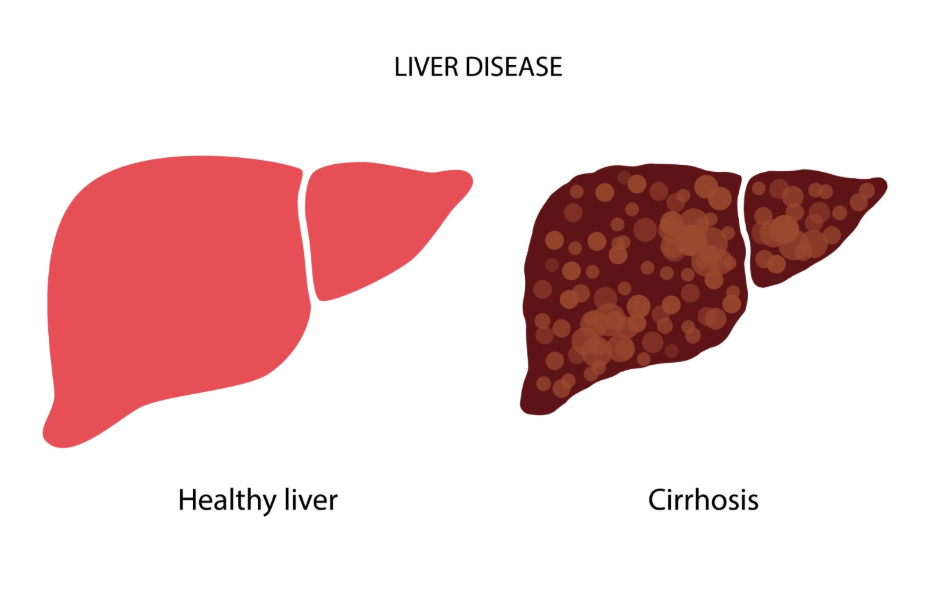
The UK Health Security Agency notes that chronic Hepatitis B significantly increases the risk of developing primary liver cancer, even in individuals who do not yet have cirrhosis. Regular screening using blood tests and ultrasound scans allows clinicians to detect early changes in liver health, ensuring that antiviral medications can be started if the virus begins to cause damage.
Management and Monitoring in the UK
Management of chronic Hepatitis B in the UK focuses on regular monitoring and, where necessary, the use of antiviral drugs to suppress the virus. Most people with a chronic infection will see a specialist, such as a hepatologist or infectious disease consultant, at least once or twice a year. These appointments typically involve blood tests to check the viral load and the levels of liver enzymes, which indicate the degree of inflammation.
Antiviral treatments do not usually “cure” the infection in the sense of removing it completely, but they are highly effective at keeping the virus at very low levels. By suppressing viral replication, these medications can prevent the progression of liver scarring and significantly reduce the risk of liver cancer. For many people, these treatments allow them to live a normal, healthy life despite having a lifelong infection.
Conclusion
Hepatitis B can certainly become a chronic lifelong infection, with the risk being highest for those infected in early childhood. While a chronic status means the virus remains in the body indefinitely, modern UK medical care provides effective ways to monitor and manage the condition. Regular clinical check ups and appropriate antiviral therapy are essential to protect liver health and prevent long term complications. If you experience severe, sudden, or worsening symptoms, call 999 immediately.
Can I ever be fully cured of chronic Hepatitis B?
Current treatments can suppress the virus to undetectable levels, but a complete cure that removes all viral DNA from the liver is currently rare.
If I have a chronic infection, can I still have children?
Yes, but it is essential to discuss this with your doctor so that the necessary steps can be taken to protect the baby at birth.
Is chronic Hepatitis B always a serious illness?
Many people live with the virus for decades without feeling unwell, provided they attend regular monitoring appointments to check for silent liver damage.
Can I give chronic Hepatitis B to my partner?
The virus can be transmitted through blood and bodily fluids, but your partner can be fully protected through vaccination.
What is the difference between a carrier and someone with chronic hepatitis?
The term “carrier” was formerly used for those with no symptoms, but clinically, both are considered to have a chronic infection requiring monitoring.
Will I need to take medicine for the rest of my life?
Some people require lifelong antiviral medication to keep the virus suppressed, while others may only need monitoring without immediate treatment.
Does having a chronic infection mean I cannot drink alcohol?
It is generally advised to limit or avoid alcohol, as it can cause additional stress and damage to a liver already affected by the virus.
Authority Snapshot (E-E-A-T)
This article provides medically safe health information regarding chronic Hepatitis B, strictly aligned with NHS and NICE clinical guidelines. The content is developed by a professional medical writing team and reviewed by Dr. Rebecca Fernandez, a UK-trained physician with extensive experience in internal medicine and emergency care. All guidance follows current UK public health protocols to ensure patient safety and clinical accuracy.



