




Dietary fibre is a fundamental component of a healthy diet and plays a significant role in reducing the risk of developing bowel cancer. Scientific evidence suggests that individuals who consume high levels of fibre have a lower incidence of colorectal malignancies compared to those with low-fibre diets. This protective effect is primarily attributed to how fibre interacts with the digestive system, facilitating the efficient movement of waste and supporting a healthy environment within the large intestine.
What We’ll Discuss in This Article
- The biological mechanisms by which fibre protects the bowel.
- Recommended daily fibre intake for adults in the UK.
- Different types of fibre and their specific health benefits.
- Examples of high-fibre foods to include in a balanced diet.
- How to safely increase fibre intake to avoid digestive discomfort.
- The importance of hydration when consuming a high-fibre diet.
The Relationship Between Fibre and Bowel Cancer Risk
Eating plenty of fibre-rich food is associated with a decreased risk of bowel cancer because it helps maintain the health of the cells lining the large intestine. The NHS recommends a diet high in fibre to help reduce the risk of bowel cancer by ensuring waste moves more quickly through the digestive system. When stool moves rapidly through the colon, any potentially harmful or carcinogenic substances present in the waste have less time to interact with the bowel wall, thereby reducing the chance of cellular damage.
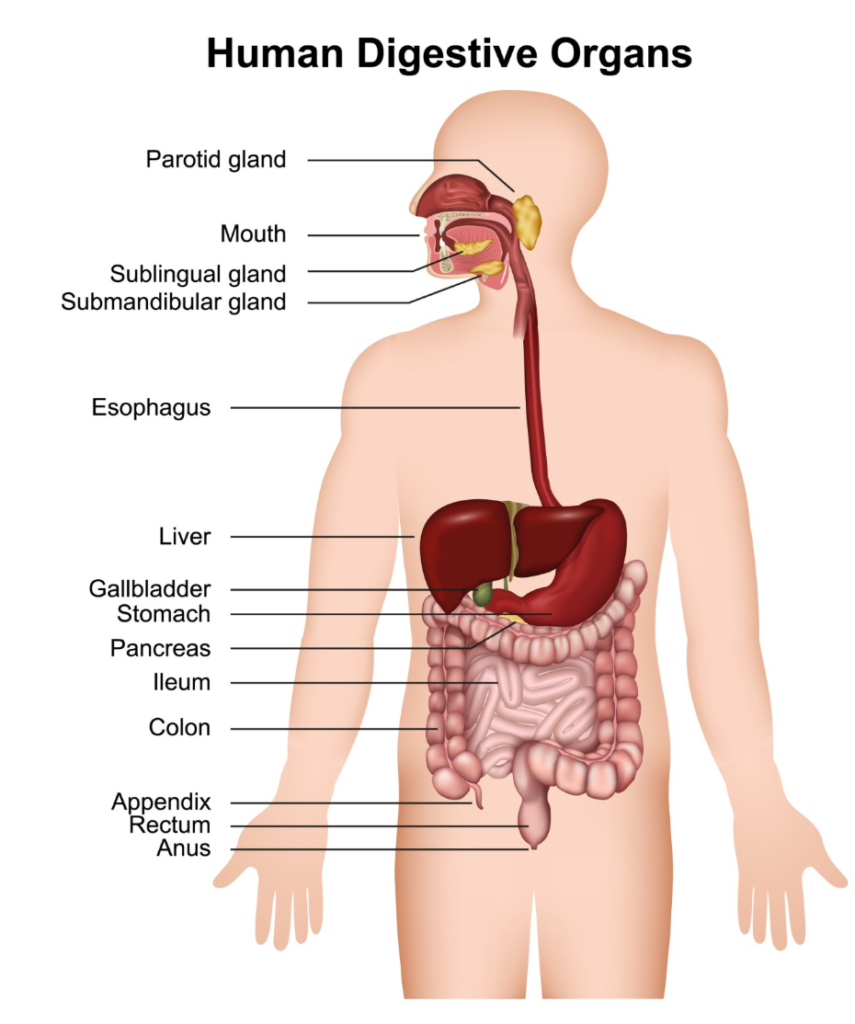
Furthermore, as gut bacteria break down fibre in the large bowel, they produce short-chain fatty acids. These compounds provide energy for the cells lining the colon and help keep the environment slightly acidic, which may prevent the growth of harmful bacteria and promote the health of the intestinal mucosa. This combination of mechanical transit and chemical interaction provides a robust defensive mechanism against the development of tumours.
Recommended Daily Fibre Intake in the UK
Health authorities in the United Kingdom recommend that adults aim for a daily intake of 30g of fibre to achieve maximum health benefits. Most people in the UK currently consume significantly less than this, with average intakes often hovering around 18g to 20g per day. Bridging this gap is an essential part of public health strategies focused on reducing the national burden of colorectal disease.
The 30g target applies specifically to adults; for children, the recommended amounts are lower and depend on their age. Achieving this target requires a conscious effort to include fibre at every meal. It is important to note that fibre should come from a variety of food sources rather than relying on supplements, as whole foods provide a complex matrix of vitamins, minerals, and antioxidants that also contribute to cancer prevention.
Types of Fibre and Their Benefits
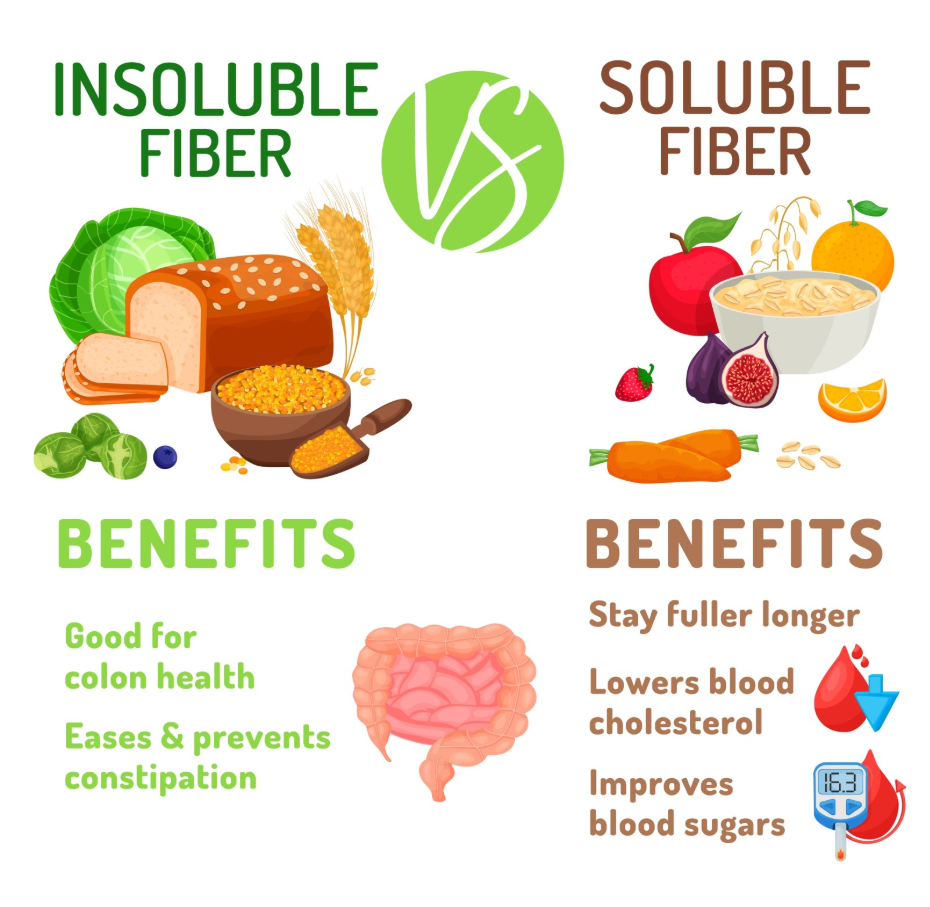
Dietary fibre is generally categorised into two main types: soluble and insoluble, both of which are necessary for optimal bowel health. Insoluble fibre, found in wheat bran, whole grains, and the skins of vegetables, does not dissolve in water and adds bulk to the stool, helping to prevent constipation. Soluble fibre, found in oats, beans, and fruit, dissolves to form a gel-like substance that can help lower cholesterol and regulate blood sugar levels.
NICE guidelines emphasise that a balanced intake of various fibre types is beneficial for managing general digestive health and reducing long-term risks. In the context of cancer prevention, insoluble fibre is particularly valued for its role in speeding up transit time, while soluble fibre supports the health of the gut microbiome. A diverse diet that incorporates both types provides the most comprehensive protection for the digestive tract.
Sources of High-Fibre Foods
Incorporating a wide range of plant-based foods is the most effective way to increase fibre consumption. Whole grains such as oats, barley, brown rice, and wholewheat pasta are excellent staples. Legumes, including lentils, chickpeas, and black beans, are among the most fibre-dense foods available. Additionally, fruits and vegetables should be eaten with their skins on where possible to maximise the fibre content.
| Food Group | Examples | Typical Fibre Content |
| Grains | Wholemeal bread, brown rice, oats | High |
| Legumes | Lentils, chickpeas, kidney beans | Very High |
| Vegetables | Broccoli, carrots (with skin), peas | Moderate to High |
| Fruits | Apples, pears, raspberries | Moderate to High |
| Nuts/Seeds | Almonds, chia seeds, flaxseeds | High |
It is beneficial to swap refined “white” carbohydrates for wholegrain versions. For instance, choosing a jacket potato with the skin instead of mashed potatoes, or wholemeal cereal instead of sugary flakes, can significantly increase daily fibre totals. The UK government provides resources on the Eatwell Guide to help the public understand how to balance these food groups for better health.
Practical Steps to Increase Fibre Safely
Increasing fibre intake should be done gradually over several weeks to allow the digestive system time to adjust. A sudden increase in fibre can lead to temporary side effects such as bloating, wind, and abdominal cramps. Starting with small changes, such as adding a portion of vegetables to dinner or swapping to wholemeal bread, allows the gut bacteria to adapt to the higher workload without causing significant discomfort.
Hydration is a critical component of a high-fibre diet. Fibre works by absorbing water to soften the stool and move it through the bowel; without adequate fluid, high fibre intake can actually lead to constipation. It is recommended to drink plenty of water, herbal teas, or other sugar-free fluids throughout the day. A general guide is to aim for 6 to 8 glasses of fluid daily, increasing this amount if activity levels or temperatures are high.
Conclusion
A diet rich in fibre is a proven method for reducing the risk of bowel cancer by improving digestive efficiency and supporting a healthy colon environment. By aiming for the recommended 30g of fibre daily and choosing a variety of whole grains, legumes, and vegetables, individuals can take proactive steps toward cancer prevention. While fibre is highly beneficial, it should be increased gradually and paired with adequate hydration for the best results. If you experience severe, sudden, or worsening symptoms, call 999 immediately.
Does cooking vegetables reduce their fibre content?
Cooking may soften the fibre, making it easier to digest, but it does not significantly reduce the total amount of fibre present in the food.
Are fibre supplements as good as fibre from food?
Whole foods are preferred because they contain other protective nutrients like antioxidants that supplements lack.
Can I eat too much fibre?
While rare, excessive fibre without enough water can cause constipation or bloating; 30g is the recommended target for most healthy adults.
Is there fibre in meat or dairy?
No, dietary fibre is only found in plant-based foods like grains, fruits, vegetables, beans, and nuts.
Does juice count towards my fibre intake?
Juicing removes most of the fibre from fruit and vegetables, so whole pieces of fruit are much better for bowel health.
Is white bread completely devoid of fibre?
White bread contains a small amount of fibre, but wholemeal or seeded varieties contain significantly more and are better for risk reduction.
How can I track my fibre intake?
Reading food labels can help; look for the “Fibre” section on the nutritional information panel to see how much is in a serving.
Authority Snapshot (E-E-A-T)
This article provides medically factual health information regarding the role of dietary fibre in bowel cancer prevention, strictly aligned with NHS and NICE clinical guidelines. The content is developed by a professional medical writing team and reviewed by Dr. Stefan Petrov, a UK-trained physician with experience in general medicine, surgery, and emergency care. All recommendations are based on current UK public health policy to ensure accuracy and patient safety.



