




Alcohol consumption can significantly worsen the progression and severity of all forms of viral hepatitis by placing additional metabolic stress on an already inflamed liver. While the different hepatitis viruses affect the liver in unique ways, they all share a common characteristic of causing inflammation that compromises organ function. Introducing alcohol into this environment accelerates cell damage, promotes the development of scar tissue, and may interfere with the effectiveness of necessary medical treatments. In the United Kingdom, healthcare professionals strongly advise individuals with any form of viral hepatitis to limit or completely avoid alcohol to preserve liver health and reduce the risk of long term complications such as cirrhosis or liver cancer.
What We’ll Discuss in This Article
- The biological interaction between alcohol and an inflamed liver.
- How alcohol consumption affects recovery from acute Hepatitis A.
- The role of alcohol in accelerating scarring in chronic Hepatitis B.
- Why alcohol poses a specific danger to those with Hepatitis C.
- The impact of alcohol on the effectiveness of antiviral medications.
- Strategies for maintaining liver health during and after infection.
Alcohol and Acute Liver Inflammation in Hepatitis A
Alcohol significantly worsens the symptoms of Hepatitis A and can prolong the recovery period by adding a chemical insult to a liver already battling an acute viral infection. Hepatitis A causes sudden inflammation that typically resolves on its own, but the liver needs time to regenerate its cells during this phase. The NHS recommends that people with Hepatitis A should avoid drinking alcohol until they have fully recovered to prevent putting extra strain on the liver.
Because Hepatitis A can cause symptoms like nausea, vomiting, and jaundice, the liver is already struggling to process waste products like bilirubin. Alcohol consumption during this period can exacerbate these symptoms and increases the risk of the inflammation becoming more severe. While Hepatitis A does not cause chronic disease, drinking alcohol during the acute phase can lead to a more profound feeling of illness and may result in higher levels of liver enzymes in blood tests, indicating more extensive cellular stress.
Synergistic Damage in Chronic Hepatitis B
In cases of chronic Hepatitis B, alcohol acts synergistically with the virus to accelerate the progression of liver scarring and increases the risk of developing liver cancer. The Hepatitis B virus replicates within liver cells, causing a persistent immune response that leads to gradual fibrosis. Alcohol introduces oxidative stress that kills liver cells directly, meaning the liver must cope with two separate sources of injury simultaneously.
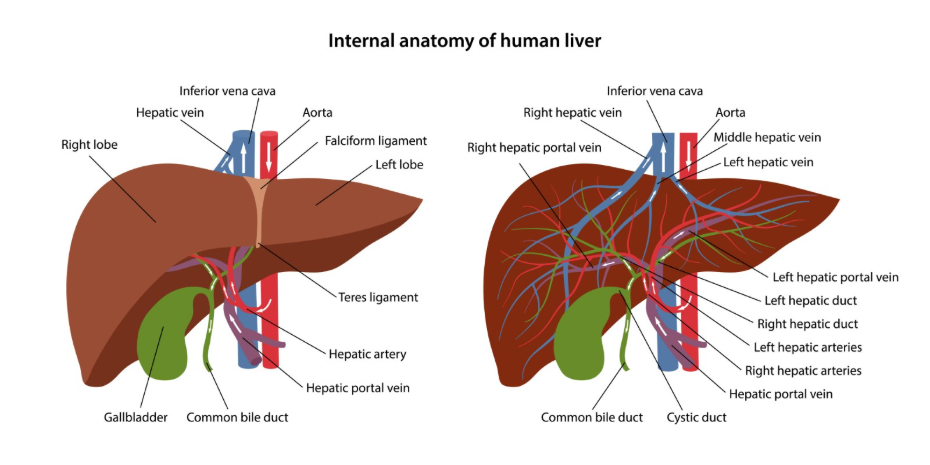
| Factor | Effect on Liver | Risk Level with Hepatitis B |
| Alcohol Only | Alcoholic fatty liver / Cirrhosis | Moderate to High |
| Hepatitis B Only | Viral inflammation / Fibrosis | Moderate to High |
| Both Combined | Accelerated cirrhosis / Malignancy | Very High |
NICE clinical guidelines indicate that individuals with chronic Hepatitis B who consume alcohol are at a significantly higher risk of developing hepatocellular carcinoma compared to those who do not drink. This increased risk occurs because both the virus and alcohol promote a cycle of cell death and regeneration that is prone to cancerous mutations. Consequently, maintaining abstinence from alcohol is a primary recommendation for anyone living with a lifelong Hepatitis B infection.
The Specific Risks for Hepatitis C Patients
Alcohol is particularly dangerous for individuals with Hepatitis C because it significantly speeds up the transition from mild fibrosis to advanced cirrhosis. Hepatitis C is often a silent infection that causes slow damage over decades, but regular alcohol consumption can condense this timeline into a much shorter period. NICE states that drinking alcohol when you have Hepatitis C can increase the rate at which liver damage occurs and may make antiviral treatment less effective.
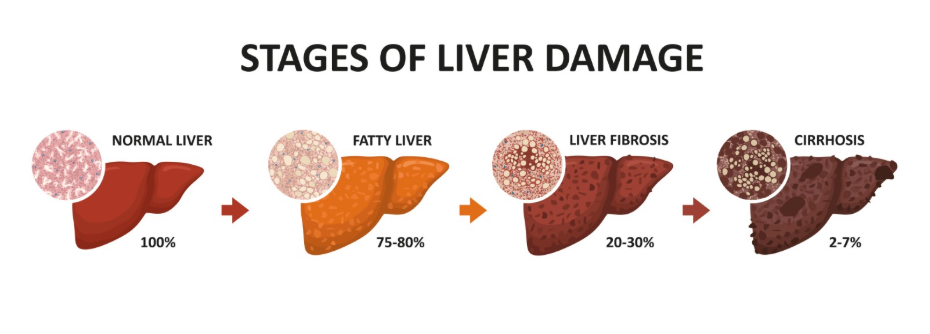
Even small amounts of alcohol can be harmful to a liver infected with Hepatitis C. The presence of alcohol in the bloodstream can also increase the viral load in some individuals, making the infection harder for the immune system to manage. For those undergoing modern curative treatment with direct acting antivirals, alcohol can interfere with the body’s ability to process the medication and may worsen common side effects like fatigue or headaches. UK specialists generally advise total abstinence from alcohol from the moment of diagnosis through to the completion of treatment and beyond.
Impact on Treatment Effectiveness and Adherence
Beyond direct physiological damage, alcohol consumption can complicate the clinical management of viral hepatitis by interfering with medication metabolism and patient adherence. The liver is the primary site for processing both antiviral drugs and alcohol; when it is occupied with metabolising alcohol, it may not process the medication as intended. This can lead to inconsistent levels of the drug in the bloodstream, which is particularly risky for Hepatitis B patients as it may encourage the virus to develop resistance.
Alcohol use can also lead to missed doses of daily medication, which is the most significant factor in treatment failure for Hepatitis C. Successful clearance of the Hepatitis C virus requires a strict 8 to 12 week course of tablets without interruption. By clouding judgment or affecting routine, alcohol can jeopardise the success of these expensive and vital therapies provided by the NHS. Clinicians in the UK often work closely with patients to address alcohol use before starting treatment to ensure the highest possible chance of a permanent cure.
Long Term Health and Liver Regeneration
Avoiding alcohol allows the liver the best possible environment to repair itself once a viral infection is cleared or suppressed. The liver has a remarkable capacity for regeneration, but this process is hampered by the constant presence of toxins. For individuals who have been cured of Hepatitis C or who have achieved an undetectable viral load in Hepatitis B, stopping alcohol consumption can allow early stage scarring to stabilise or even improve.
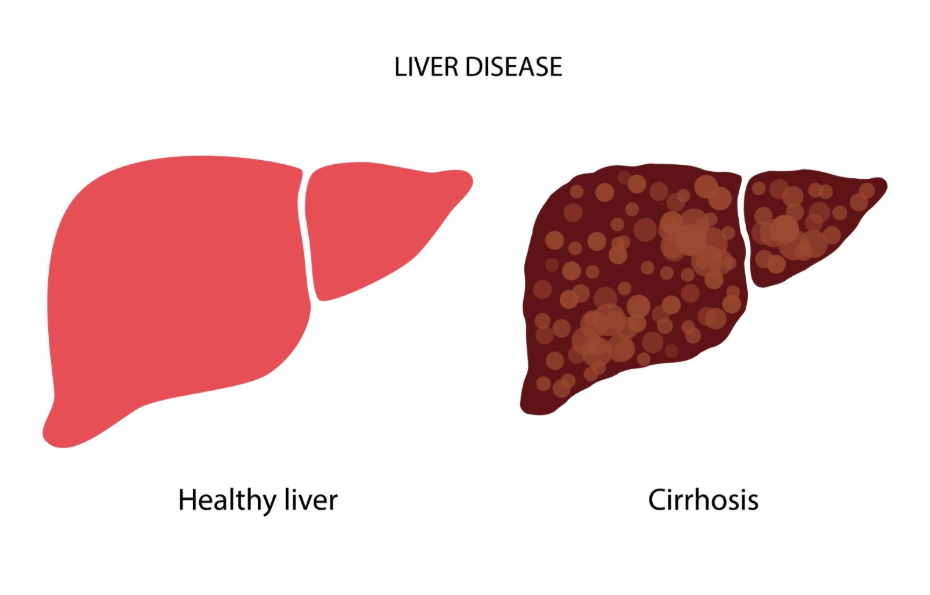
However, for those who already have advanced cirrhosis, the liver remains highly vulnerable even after the virus is gone. In these cases, even a single bout of heavy drinking can trigger a life threatening episode of liver failure. Continuous monitoring through the NHS ensures that patients understand their current level of liver damage and the specific risks they face if they choose to consume alcohol.
Conclusion
Alcohol worsens Hepatitis A, B, and C by increasing inflammation, accelerating liver scarring, and potentially interfering with medical treatments. Whether the infection is acute and temporary or chronic and lifelong, the liver requires a toxin free environment to manage the viral load and repair damaged tissue. Adopting a lifestyle free from alcohol is the most effective way to protect liver function and prevent the development of serious complications. If you experience severe, sudden, or worsening symptoms, call 999 immediately.
Can I drink alcohol again once my Hepatitis A is cured?
You should wait until your doctor confirms your liver function tests have returned to normal before consuming any alcohol.
Is “moderate” drinking safe if I have chronic Hepatitis B?
There is no established safe level of alcohol for someone with chronic Hepatitis B; total abstinence is the most reliable way to prevent cancer and cirrhosis.
Does alcohol affect the results of my liver function tests?
Yes, alcohol can cause an increase in liver enzymes such as GGT and ALT, which can make it harder for your doctor to monitor the activity of the hepatitis virus.
Will Hepatitis C treatment still work if I drink alcohol?
While the medication might still kill the virus, alcohol can hinder the liver’s recovery and increase the risk of side effects or missed doses.
Can a one off “binge” drink cause permanent damage?
In an already inflamed liver, a heavy drinking session can cause a significant spike in inflammation and, in rare cases, trigger acute liver failure.
Does alcohol affect the Hepatitis B vaccine?
While a single drink won’t ruin the vaccine, chronic heavy drinking can weaken the immune system and potentially reduce the effectiveness of the immunisation.
Why does alcohol make liver cancer more likely?
Alcohol and hepatitis viruses both damage cell DNA and promote inflammation, which creates a high risk environment for the development of cancerous cells.
Authority Snapshot (E-E-A-T)
This article provides medically factual health information regarding the impact of alcohol on viral hepatitis, strictly aligned with NHS and NICE clinical guidelines. The content is developed by a professional medical writing team and reviewed by Dr. Rebecca Fernandez, a UK-trained physician with extensive experience in internal medicine, surgery, and emergency care. All guidance follows current UK public health protocols to ensure patient safety and clinical accuracy.



