




Beyond the well-documented impacts of diet and exercise, other lifestyle habits such as maintaining adequate hydration and participating in regular medical check-ups play a secondary but vital role in bowel cancer prevention. These habits ensure that the digestive environment remains healthy and that any physiological changes are identified at the earliest possible opportunity. In the United Kingdom, the integration of personal health habits with national screening services provides a comprehensive framework for managing colorectal health and improving long-term outcomes for the general population.
What We’ll Discuss in This Article
- The biological importance of hydration for colorectal health.
- How regular medical check-ups facilitate early detection.
- The role of the national bowel cancer screening programme.
- Identifying non-specific symptoms that warrant a clinical review.
- The impact of sleep and stress management on digestive function.
- Integrating these habits into a broader preventative health strategy.
The Role of Hydration in Bowel Health
Maintaining adequate hydration reduces the risk of bowel cancer by assisting the movement of waste and preventing the accumulation of toxins in the large intestine. Water is essential for the effective function of dietary fibre; without sufficient fluid, fibre can become hardened, leading to constipation and slower transit times. The NHS recommends drinking 6 to 8 glasses of fluid a day to support healthy digestion and ensure that the bowel lining remains hydrated and resilient.
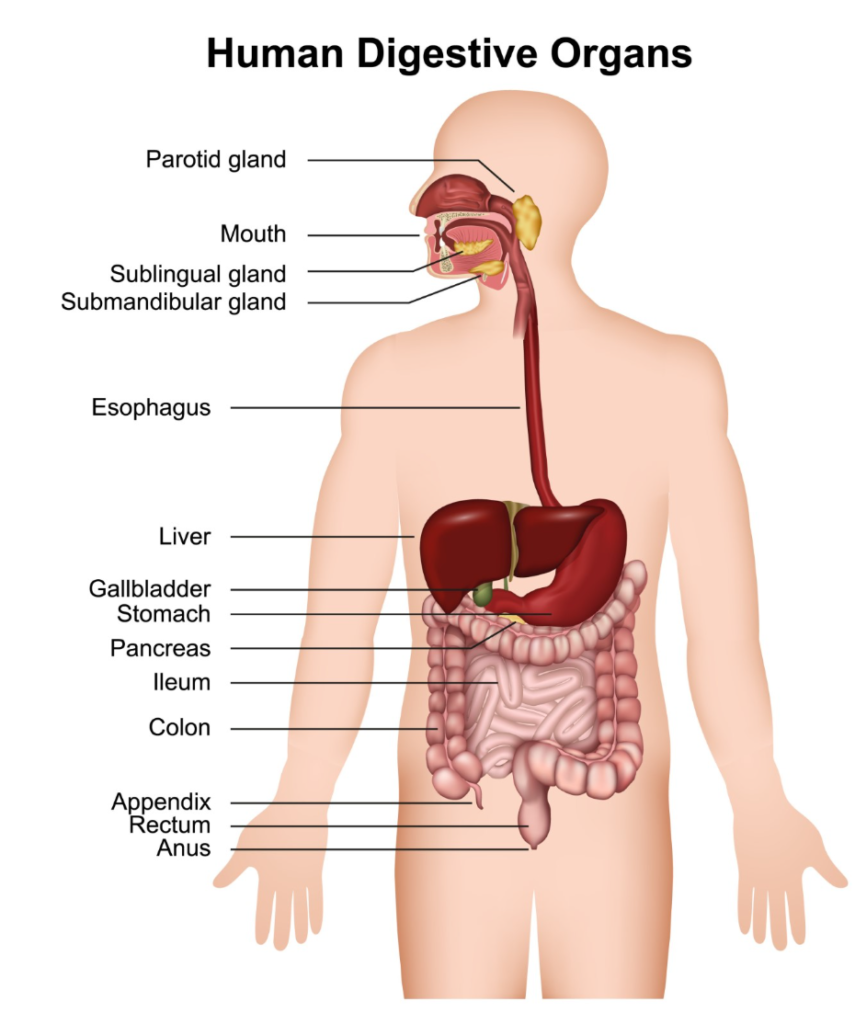
When the body is well-hydrated, the stool remains soft, which reduces the physical stress and irritation placed on the delicate mucosal lining of the bowel. Chronic constipation or hard stools can lead to localised inflammation or the development of diverticular disease, which may complicate the overall health of the colon. Ensuring a consistent intake of water, sugar-free fluids, or herbal teas is a simple yet effective way to support the mechanical processes of the digestive tract.
Importance of Regular Medical Check-ups
Regular medical check-ups are essential for bowel cancer prevention as they provide opportunities for healthcare professionals to monitor markers of health that may indicate underlying issues. During a standard review, a GP may perform blood tests to check for anaemia or inflammation, which can sometimes be early, non-specific indicators of bowel changes. For individuals with a family history of colorectal malignancies, these check-ups are the primary pathway for accessing specialist genetics services or early surveillance.
NICE guidelines emphasise that clinicians should offer a physical examination and appropriate diagnostic tests to patients presenting with persistent abdominal symptoms to rule out serious conditions. Even if a person feels generally well, discussing any subtle changes in bowel habit or energy levels during a routine appointment can lead to earlier investigation. Clinical vigilance is a key component of the safety net that protects patients between formal screening invitations.
Participation in National Screening Programmes
Engaging with the national bowel cancer screening programme is perhaps the most critical habit for individuals within the eligible age bracket. In the UK, home testing kits are automatically sent to residents aged 50 to 74 every two years to detect hidden traces of blood in stool samples. Choosing to complete and return these kits significantly increases the chances of detecting cancer before it causes any symptoms, at a stage where it is much easier to treat.
| Screening Element | UK Standard Practice | Clinical Purpose |
| FIT Kit | Every 2 years (Ages 50 to 74) | Detecting hidden blood markers |
| Colonoscopy | Follow-up for abnormal FIT | Visual inspection and polyp removal |
| GP Review | As required for symptoms | Investigating persistent changes |
| Genetics Referral | Based on family history | Managing inherited risk factors |
The habit of regular screening works by identifying polyps—small growths on the bowel lining—which can be removed during a follow-up colonoscopy. This process prevents cancer from developing in the first place. High participation rates in these programmes are directly linked to lower mortality rates from bowel cancer across the country.
Sleep, Stress, and Digestive Function
Emerging evidence suggests that maintaining regular sleep patterns and managing stress can indirectly support bowel health by regulating the gut-brain axis and immune function. Poor sleep and chronic stress can lead to systemic inflammation and alterations in gut motility, which may influence how the body handles digestive waste. While not a direct cause of cancer, these factors contribute to the overall environment of the digestive system.
Practising good sleep hygiene and finding healthy ways to manage stress, such as through mindfulness or light physical activity, helps maintain a balanced gut microbiome. A healthy microbiome is essential for protecting the bowel wall from irritation and supports the immune system in identifying abnormal cells. Integrating these aspects of well-being into a daily routine provides a more holistic approach to preventative healthcare.
Recognising Red Flag Symptoms
Developing the habit of monitoring one’s own bowel habits is vital for identifying “red flag” symptoms that require immediate clinical attention. This includes noticing a persistent change in bowel habit that lasts for three weeks or more, such as looser stools or increased frequency. Noticing blood in the stool, whether bright red or dark and tarry, should always be investigated by a doctor to determine the source.
Other symptoms to be aware of include unexplained weight loss, persistent abdominal pain or bloating, and a feeling of extreme tiredness that does not improve with rest. GOV.UK health resources provide detailed information on the signs and symptoms of bowel cancer to help the public decide when to seek a medical consultation. Being proactive about these changes rather than waiting for them to resolve on their own is a life-saving habit.
Conclusion
Hydration and regular medical check-ups are fundamental lifestyle habits that complement diet and exercise in reducing bowel cancer risk. By supporting digestive transit through fluid intake and participating in national screening and clinical reviews, individuals can maintain a proactive stance on colorectal health. These habits ensure that the bowel environment remains healthy and that any abnormalities are detected and managed promptly. If you experience severe, sudden, or worsening symptoms, call 999 immediately.
How much water should I drink specifically for bowel health?
The general recommendation of 6 to 8 glasses of fluid daily is sufficient for most people to maintain healthy bowel transit.
Should I see my GP for a check-up if I have no symptoms?
You do not usually need a specific bowel check-up if you are symptom-free, but you should take part in the national screening programme when invited.
Does tea and coffee count toward my hydration?
Yes, tea and coffee contribute to your fluid intake, although water is the best choice for overall health as it contains no caffeine or sugar.
Can a blood test at a routine check-up find bowel cancer?
A standard blood test cannot find cancer, but it can show signs of iron-deficiency anaemia, which may prompt a doctor to investigate the bowel.
What should I do if my screening kit is overdue?
You can contact the national bowel cancer screening helpline to request a replacement kit if you are within the eligible age range.
Is bloating a serious symptom?
Occasional bloating is common, but if it is persistent, new, or accompanied by other changes, it should be reviewed by a professional.
Does family history change how often I need check-ups?
Yes, if you have a strong family history of bowel cancer, you may be eligible for earlier or more frequent clinical surveillance.
Authority Snapshot (E-E-A-T)
This article provides medically safe health education on bowel cancer risk reduction, strictly aligned with NHS and NICE clinical guidelines. The content is developed by a professional medical writing team and reviewed by Dr. Stefan Petrov, a UK-trained physician with experience in general medicine, surgery, and emergency care. All recommendations are based on current UK public health policy to ensure accuracy and patient safety.



