




Bowel cancer screening is a vital public health initiative in the United Kingdom designed to identify early signs of cancer or pre-cancerous growths in individuals who do not have any symptoms. By detecting abnormalities before they progress, screening provides a unique opportunity to prevent cancer from developing entirely or to catch it at a stage where it is highly curable. The programme relies on regular participation from eligible adults to ensure that the bowel remains healthy and that any necessary medical interventions are performed as early as possible.
What We’ll Discuss in This Article
- How screening facilitates the prevention of bowel cancer through polyp detection.
- The link between early detection via screening and high cure rates.
- The function of the Faecal Immunochemical Test in asymptomatic populations.
- The role of colonoscopy in removing pre-cancerous growths.
- How the NHS screening programme is structured to save lives.
- Why regular participation is essential even for those who feel healthy.
Preventing Cancer Through the Detection of Polyps
Bowel cancer screening makes the disease preventable by identifying and allowing for the removal of polyps, which are small growths on the inner lining of the bowel that can sometimes turn into cancer. Most bowel cancers develop from these non-cancerous growths over a period of several years. The NHS bowel cancer screening programme uses home test kits to look for hidden blood that may be released by these polyps or early tumours.
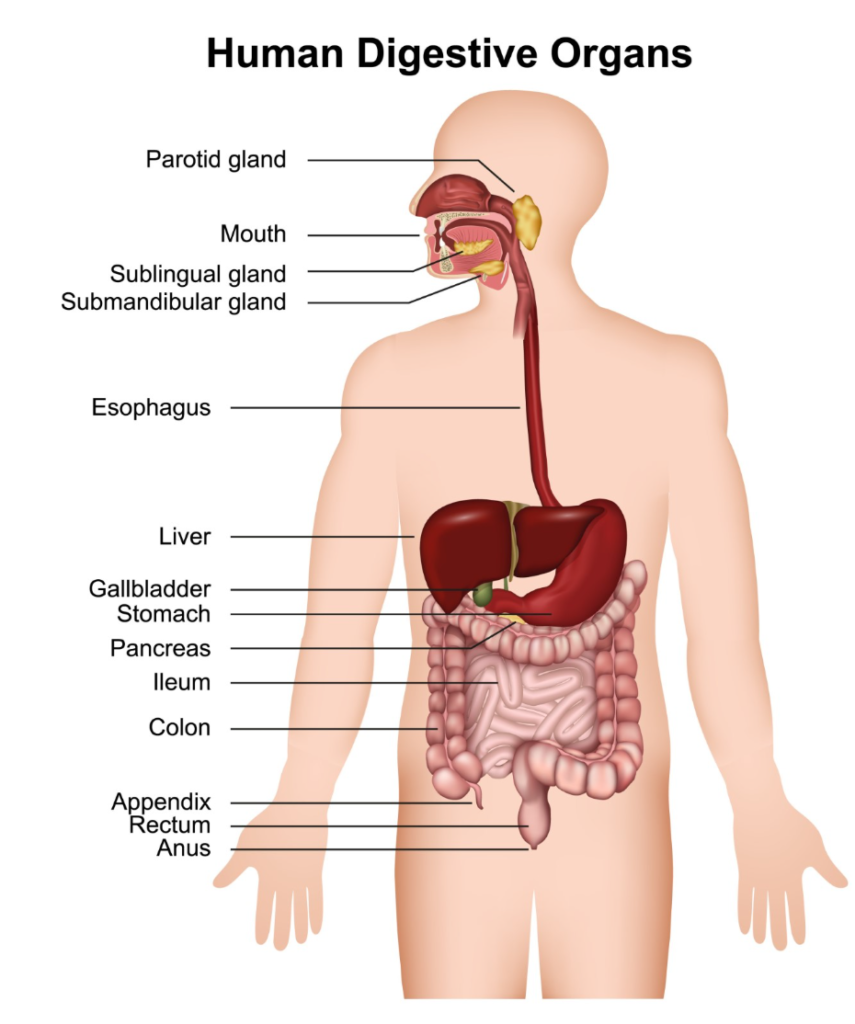
If a screening test returns an abnormal result, the individual is typically referred for a colonoscopy. During this procedure, a clinician can see the polyps and remove them immediately using a wire loop and a small electric current. This process, known as a polypectomy, effectively stops the cancer from ever forming. Because polyps rarely cause symptoms in their early stages, screening is the most effective way to find them before they pose a significant threat to health.
Increasing Cure Rates Through Early Detection
Screening significantly increases the likelihood of bowel cancer being curable because it detects the disease at an earlier stage than would be possible if waiting for symptoms to appear. When bowel cancer is caught in its earliest stages, it is often confined to the inner lining of the bowel and has not had the opportunity to spread to lymph nodes or other organs. In these cases, surgical removal of the affected area is frequently successful in achieving a long-term cure.
NICE guidelines state that the stage at which bowel cancer is diagnosed is the most important factor in determining the effectiveness of treatment and the chances of survival. Statistics indicate that the vast majority of people diagnosed with bowel cancer at the earliest stage survive for five years or more. By contrast, cancers diagnosed after symptoms have developed are often at a more advanced stage, where treatment is more complex and cure rates are lower. Screening shifts the diagnosis toward these highly treatable early stages.
The Role of the Faecal Immunochemical Test (FIT)
The primary tool used in the UK for bowel cancer screening is the Faecal Immunochemical Test, which is a highly sensitive method for detecting microscopic amounts of human blood in stool samples. This test is designed specifically for people who do not have any visible symptoms of bowel disease. It is an effective filter that identifies individuals who have a higher probability of having polyps or early-stage cancer and therefore require a more detailed hospital investigation.
The reliability of the FIT kit lies in its ability to detect human haemoglobin with great precision. Unlike older types of stool tests, it is not affected by diet or most medications. Because tumours and polyps tend to bleed more easily than healthy tissue, the presence of blood—even if it cannot be seen—is a reliable marker that something may be wrong. Returning the kit every two years ensures that the bowel is monitored regularly, providing a continuous safety net for the individual.
Colonoscopy as a Preventive and Diagnostic Tool
A colonoscopy is the follow-up procedure offered if a screening test result is abnormal, serving as both a diagnostic tool to find cancer and a preventive tool to remove polyps. It involves a thin, flexible tube with a camera being inserted into the rectum to allow a specialist to examine the entire length of the large bowel. This visual inspection is the “gold standard” for bowel health, as it provides a clear view of the bowel lining.
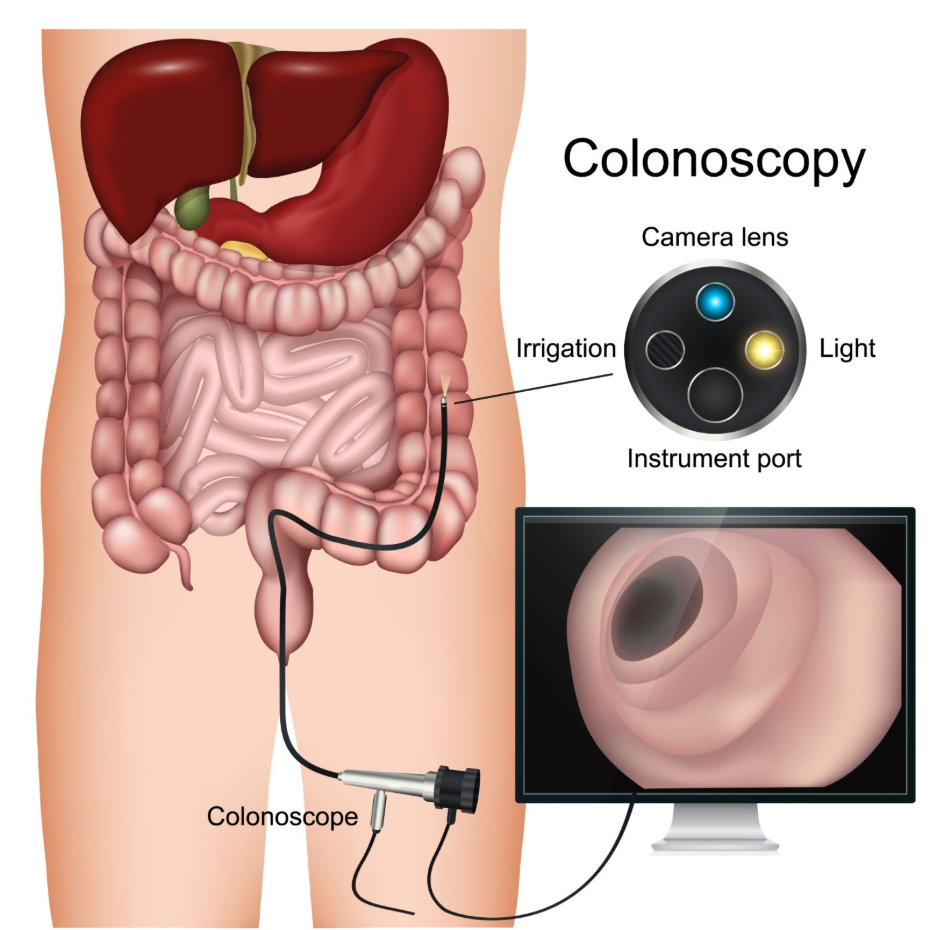
If a clinician finds a suspicious area or a polyp during the colonoscopy, they can take a tissue sample (biopsy) or remove the growth entirely. For many people, the removal of polyps during a screening colonoscopy is the final step in their treatment, preventing the need for more invasive major surgery later in life. This dual functionality is what makes the screening pathway so effective at reducing the national incidence of bowel cancer.
Comparison of Outcomes: Screening vs. Symptomatic Diagnosis
The benefits of screening are clearly demonstrated when comparing the outcomes of those diagnosed through the programme versus those diagnosed after noticing symptoms. Individuals in the screening programme are much more likely to have their cancer detected at Stage 1 or 2, whereas symptomatic patients are more frequently diagnosed at Stage 3 or 4.
| Feature | Diagnosis via Screening | Diagnosis via Symptoms |
| Typical Stage | Early (Stage 1 or 2) | Later (Stage 3 or 4) |
| Treatment Goal | Often curative | May be management or palliative |
| Common Intervention | Polypectomy or minor surgery | Major surgery, chemo, or radiotherapy |
| Prevention Potential | High (can remove polyps) | Low (cancer is already present) |
The UK Health Security Agency manages the national screening programmes to ensure they are accessible and that the clinical benefits outweigh any potential risks for the population. This data-driven approach ensures that the screening invitations sent to homes across the UK are based on the best available evidence for saving lives and reducing the severity of bowel cancer.
Conclusion
Screening is the most powerful tool available for making bowel cancer both preventable and curable. By identifying pre-cancerous polyps and early-stage tumours in asymptomatic individuals, the NHS can provide interventions that stop cancer before it starts or treat it successfully. Regular participation in the screening programme every two years provides the best chance for long-term bowel health and significantly reduces the risk of dying from the disease. If you experience severe, sudden, or worsening symptoms, call 999 immediately.
Does a normal screening result mean I will never get bowel cancer?
A normal result means no blood was found at that time, but it is not a guarantee for the future, which is why repeating the test every two years is essential.
Is the screening kit only for people with a family history of cancer?
No, the kit is for everyone within the eligible age range, as most bowel cancers occur in people without a known family history.
If screening can prevent cancer, why isn’t it done more often?
The two-year interval is based on clinical evidence regarding how slowly polyps usually grow into cancer, providing a safe and effective monitoring cycle.
What happens if I find the home test kit difficult to use?
The kits are designed to be simple, but you can contact the national screening helpline for guidance or visit the NHS website for instructional videos.
Can I still get bowel cancer if I have had polyps removed?
Removing polyps significantly reduces your risk, but new polyps can grow over time, so you must continue with regular screening.
Is the screening kit mandatory?
The test is voluntary, but health professionals strongly recommend it because of its proven ability to detect cancer early and prevent it.
Why does the screening programme stop at age 74?
At this age, the risks of follow-up procedures may begin to outweigh the benefits for some, but individuals over 74 can often still request a kit.
Authority Snapshot (E-E-A-T)
This article provides medically safe health information regarding the UK national bowel cancer screening programme, strictly aligned with NHS and NICE clinical guidelines. The content is developed by a professional medical writing team and reviewed by Dr. Stefan Petrov, a UK-trained physician with experience in general medicine, surgery, and emergency care. All information is sourced from official UK health authorities to ensure accuracy and patient safety.



