




Awareness of symptoms and the early detection of abnormalities are the most critical factors in improving the clinical outcomes for individuals with bowel cancer. When bowel cancer is identified at an early stage, it is often highly treatable and carries a significantly better prognosis than cases diagnosed after the disease has progressed or spread. The UK healthcare system emphasises a dual approach involving national screening programmes for those without symptoms and public health awareness to ensure that symptomatic individuals seek medical advice promptly.
What We’ll Discuss in This Article
- The statistical relationship between early diagnosis and survival rates.
- How the NHS bowel cancer screening programme facilitates early detection.
- Key symptoms and “red flags” that require urgent clinical review.
- The biological progression of bowel cancer from polyps to malignancy.
- How early intervention simplifies treatment pathways and recovery.
- The impact of health literacy on reducing late stage presentations.
Impact of Early Detection on Survival Rates
Early detection significantly improves bowel cancer survival rates because tumours identified in their initial stages are easier to remove and less likely to have spread. The NHS bowel cancer screening programme aims to detect cancer at an early stage when treatment is more likely to be effective and survival rates are much higher. When cancer is caught at Stage 1, the vast majority of patients survive for five years or more, whereas this figure drops substantially if the cancer is not found until Stage 4.
Clinical data consistently shows that the earlier the diagnosis, the greater the range of treatment options available. For very early cases, surgery may be the only intervention required, potentially avoiding the need for more intensive therapies such as chemotherapy or radiotherapy. Therefore, the transition from a localised growth to a more advanced disease is the most vital window for medical intervention.
The Role of Asymptomatic Screening
Screening is a proactive tool used to find cancer or pre-cancerous growths in people who feel perfectly healthy and have no symptoms. The primary method used in the UK is the Faecal Immunochemical Test, which is a home test kit sent to eligible adults every two years. This test is designed to detect minute amounts of blood that are not visible to the naked eye, which can be an early sign of polyps or tumours.
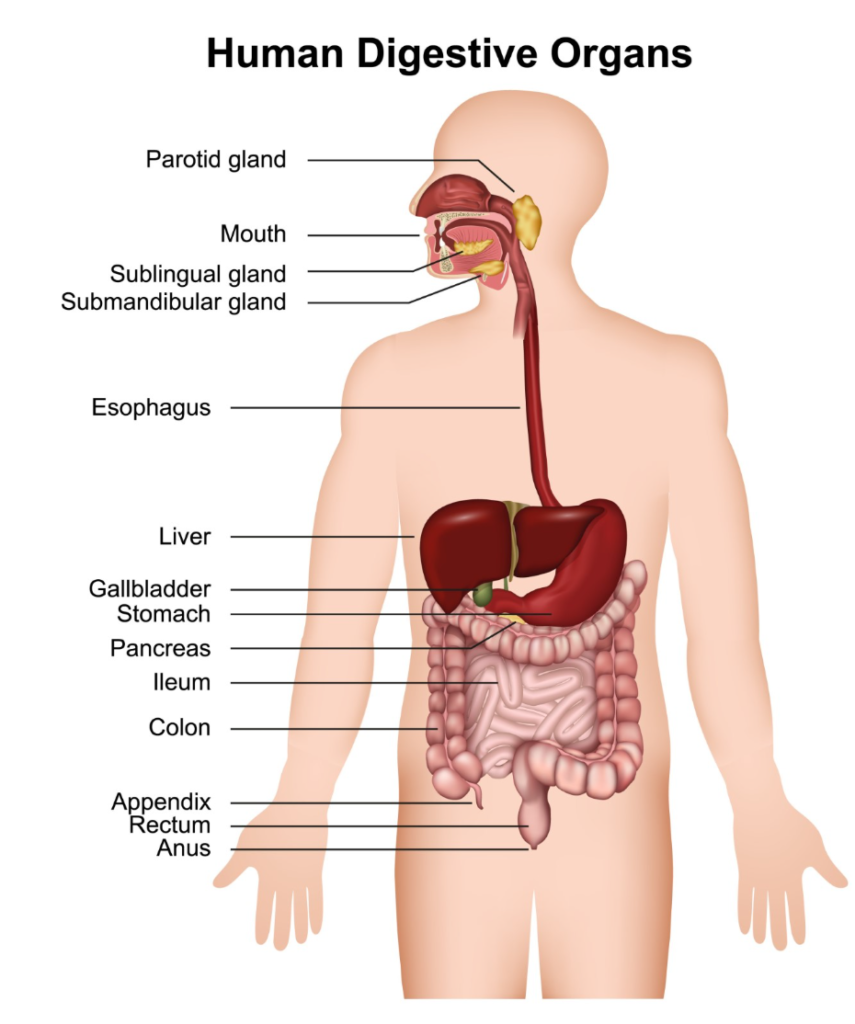
NICE guidelines emphasise the importance of high participation in screening programmes to ensure that more cases are caught before they become symptomatic. By identifying and removing polyps during follow up colonoscopies, the screening programme can actually prevent bowel cancer from developing in the first place. For those who do have cancer, screening increases the likelihood that it will be detected at a stage where a full cure is possible.
Recognition of Symptomatic Red Flags
Awareness of physical changes is essential because screening is only performed every two years and may not detect every case between test intervals. Early detection through symptomatic awareness relies on individuals recognising persistent changes in their bowel habits. Key indicators include blood in the stool, a persistent change in how often someone goes to the toilet, or a change in the consistency of the stool that lasts for three weeks or more.
Other symptoms that warrant a clinical review include unexplained weight loss, extreme tiredness without an obvious cause, or a persistent pain or lump in the abdomen. While these symptoms are often caused by less serious conditions like haemorrhoids or Irritable Bowel Syndrome, they must be formally assessed by a professional. Early consultation ensures that if cancer is present, it is not given additional time to grow while symptoms are ignored or self-managed.
Simplifying Treatment and Recovery
Early detection simplifies the treatment pathway, often resulting in less invasive procedures and a faster recovery for the patient. For instance, an early tumour may be removed via a laparoscopic (keyhole) surgery or even endoscopically during a colonoscopy. These methods involve shorter hospital stays, less postoperative pain, and a lower risk of long term complications compared to major open abdominal surgeries.
| Feature | Early Detection (Stage 1) | Late Detection (Stage 4) |
| Primary Goal | Curative | Management or Palliative |
| Common Treatment | Local surgery only | Surgery, Chemo, and Radiotherapy |
| Complexity | Lower | Higher |
| Recovery Time | Faster | Prolonged |
Furthermore, avoiding chemotherapy or radiotherapy reduces the systemic impact on the body, allowing patients to return to their normal lives more quickly. The UK government health services provide resources to help patients understand how early intervention reduces the burden of treatment on both the individual and the healthcare system. This underscores that awareness is not just about survival, but also about the quality of life during and after treatment.
Overcoming Barriers to Early Presentation
Improving outcomes also involves addressing the psychological and social barriers that prevent people from taking part in screening or reporting symptoms. Fear of the diagnosis, embarrassment regarding bowel habits, or a lack of understanding of the screening process can lead to delays. Improving health literacy and encouraging open conversations about bowel health are essential for ensuring that everyone feels comfortable accessing the care they need.
The NHS works to make screening as accessible as possible, providing clear instructions and support for those using the home test kits. Community awareness campaigns help to normalise discussions about bowel habits and emphasise that doctors are accustomed to dealing with these issues professionally. Reducing the stigma associated with bowel symptoms is a key part of the national strategy to improve early detection rates across all demographics.
Conclusion
The importance of awareness and early detection in bowel cancer cannot be overstated, as they are the primary determinants of successful treatment and long term survival. Participation in national screening programmes and the prompt reporting of symptoms provide the best opportunity for clinical intervention at a stage where the disease is most manageable. By remaining vigilant and proactive, individuals can significantly improve their health outcomes and reduce the impact of bowel cancer. If you experience severe, sudden, or worsening symptoms, call 999 immediately.
Does a normal screening result mean I don’t need to worry about symptoms?
No, a normal result only means no markers were found at that time; you must still see a doctor if you develop new or persistent symptoms.
Is bowel cancer curable if it is caught early?
Yes, bowel cancer is highly curable if detected and treated while it is still localised within the bowel wall.
Why do I have to wait until I am 50 for screening?
Screening ages are based on the statistical risk of the disease, but individuals with a strong family history or symptoms may be tested earlier.
Are there any specific tests I can do at home other than the NHS kit?
The NHS FIT kit is the most reliable and regulated home test available; other commercial tests may not meet the same clinical standards.
How long should I wait for symptoms to clear before seeing a doctor?
The current clinical advice is to seek a medical consultation if any red flag symptom persists for three weeks or more.
Can a blood test at my GP find bowel cancer early?
Standard blood tests cannot find cancer, but they can detect iron-deficiency anaemia, which is sometimes an early sign of bowel blood loss.
What is a “polyp” and why does it matter?
A polyp is a small growth on the bowel lining; most are harmless, but some can turn into cancer over time if they are not removed.
Authority Snapshot (E-E-A-T)
This article provides medically safe health information regarding bowel cancer awareness and detection, strictly aligned with NHS and NICE clinical guidelines. The content is developed by a professional medical writing team and reviewed by Dr. Stefan Petrov, a UK-trained physician with experience in general medicine, surgery, and emergency care. All recommendations are based on current UK evidence-based protocols to ensure clinical accuracy and patient safety.



