




Primary liver cancer often develops within a liver that has already been affected by cirrhosis, making it difficult to distinguish new malignant changes from the symptoms of existing liver scarring. Because the liver has a significant functional reserve, small tumours may not cause any new physical sensations, and the first indication of a problem is often found during routine medical surveillance. In the United Kingdom, patients with a known diagnosis of cirrhosis are monitored closely because the biological environment of a scarred liver is highly susceptible to the development of hepatocellular carcinoma. When symptoms do emerge, they typically reflect a worsening of liver function or the physical presence of a mass that interferes with the organ’s internal structure. Identifying subtle shifts in health, such as unexplained weight loss or a sudden change in abdominal swelling, is essential for detecting cancer at an earlier, more treatable stage. UK clinical pathways emphasise the importance of regular scans and blood tests to identify these changes before they become symptomatic.
What We’ll Discuss in This Article
- The difficulty of distinguishing cancer symptoms from existing cirrhosis signs.
- Key physical indicators such as unexplained weight loss and appetite changes.
- Abdominal symptoms including new pain or increased fluid accumulation.
- Clinical signs of worsening liver function like jaundice and itching.
- The role of referred pain and its presentation in the right shoulder.
- The importance of adhering to the NHS six monthly surveillance programme.
The Challenge of Symptom Recognition in Cirrhotic Patients
Symptoms suggesting that liver cancer is developing in a cirrhotic liver are often masked by the pre-existing symptoms of liver scarring, which requires patients and clinicians to be alert to any sudden worsening of health. The NHS states that liver cancer is more common in people who already have cirrhosis, and the symptoms can be very similar to those of the underlying liver disease.
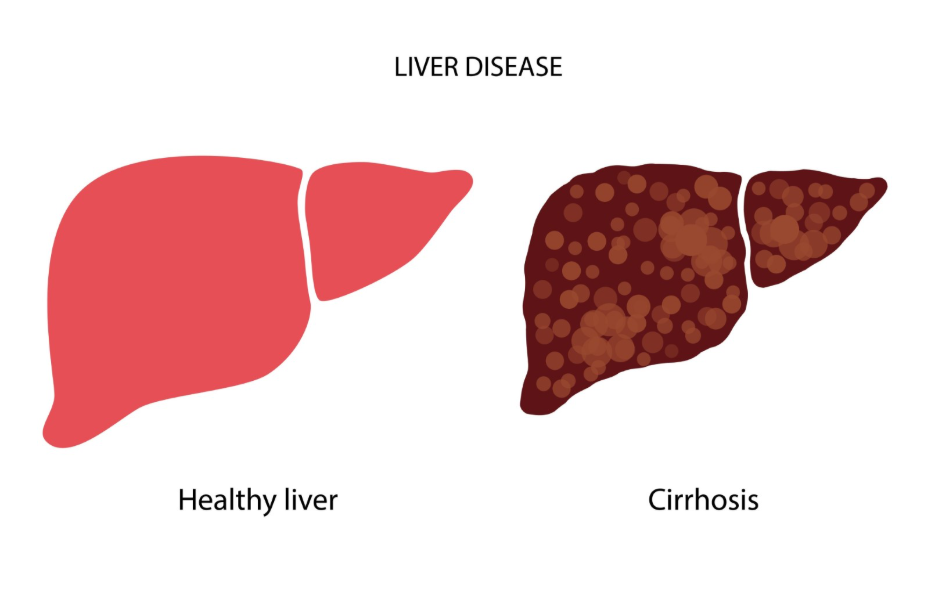
Because the liver is already damaged in cirrhosis, the onset of cancer may not trigger a dramatic change in how a person feels. A patient may be accustomed to feeling tired or having a slightly swollen abdomen, which can make a new tumour easy to overlook. The key clinical indicator is often a “decompensation” event, where a previously stable patient with compensated cirrhosis suddenly experiences a significant decline in their health. This highlights why the UK healthcare system relies on objective testing rather than patient-reported symptoms alone to identify malignant changes.
Unexplained Weight Loss and Nutritional Changes
A primary symptom that may suggest liver cancer is developing in a patient with cirrhosis is unintentional weight loss that cannot be explained by changes in diet or activity levels. This weight loss occurs because a growing tumour consumes a large amount of the body’s energy and nutrients, often leading to a state of muscle wasting known as cachexia.
Accompanying this weight loss is a noticeable loss of appetite and a feeling of fullness even after consuming very small amounts of food. This “early satiety” can be caused by the tumour physically pressing on the stomach or the liver becoming so enlarged that it takes up more space in the abdominal cavity. While these symptoms are non-specific, their new onset in someone with known liver scarring is a significant clinical warning sign.
New Abdominal Pain and Physical Masses
The development of a tumour within a cirrhotic liver can cause new or changing abdominal pain, typically located in the upper right side of the tummy just below the ribs. This pain is often described as a dull ache or a persistent feeling of pressure, which occurs when a growing mass stretches the protective capsule that surrounds the liver.
In some cases, a person may be able to feel a hard lump or mass just below the right ribcage during a physical examination or while lying down. NICE clinical guidelines indicate that anyone with cirrhosis who experiences new abdominal pain or a palpable mass should be urgently investigated for potential hepatocellular carcinoma.
| Symptom | Description | Possible Cause |
| New Right-Sided Pain | Dull ache under the right ribs | Stretching of the liver capsule by a tumour |
| Increased Ascites | Sudden worsening of abdominal swelling | Tumour blocking blood flow or reducing protein |
| Palpable Mass | A hard lump felt in the upper abdomen | The physical presence of a liver tumour |
| Referred Shoulder Pain | Pain felt in the right shoulder blade | Irritation of the diaphragm by an enlarged liver |
Sudden Worsening of Ascites and Portal Hypertension
A sudden or rapid increase in the accumulation of fluid in the abdomen, known as ascites, can be a symptom that liver cancer is developing in a cirrhotic patient. While ascites is a common complication of advanced cirrhosis, a change in its severity or a lack of response to usual treatments like diuretics can indicate that a tumour is further obstructing blood flow through the portal vein.
This obstruction increases portal hypertension, which can also lead to the development of enlarged veins in the oesophagus or stomach. If these veins (varices) bleed, it is a medical emergency. The development of cancer can also reduce the liver’s ability to produce albumin, a protein that helps keep fluid within the blood vessels, further contributing to the swelling of the abdomen and legs.
Jaundice and Indicators of Biliary Obstruction
If a liver tumour begins near the bile ducts, it can block the flow of bile, leading to jaundice, which is the yellowing of the skin and the whites of the eyes. This occurs because bilirubin, a waste product that is normally excreted in bile, builds up in the bloodstream. In a patient with stable cirrhosis, the sudden onset of jaundice is a strong indicator that something has changed within the liver’s internal structure.
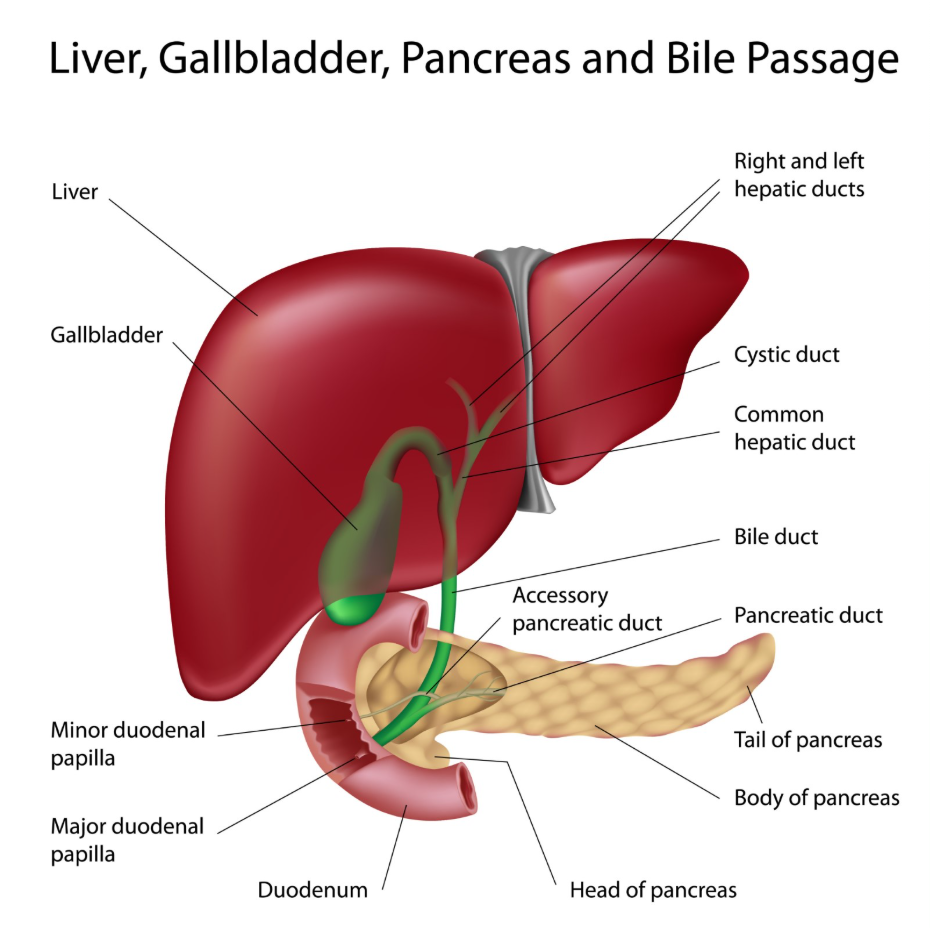
Other signs associated with this obstruction include:
- Dark Urine: Bilirubin being filtered out by the kidneys instead of the liver.
- Pale Stools: A lack of bile reaching the intestines, which normally gives stool its brown colour.
- Intense Itching: The buildup of bile salts in the skin, which can become very distressing.
While jaundice can also be caused by infections or gallstones, its appearance in a cirrhotic patient always requires an urgent review to rule out malignancy.
Referred Pain and General Malaise
Liver cancer can sometimes cause pain in unexpected areas, such as the right shoulder or the right side of the back. This is known as referred pain and happens when a tumour on the surface of the liver irritates the phrenic nerve, which is connected to the diaphragm. The brain interprets this irritation as a pain signal coming from the shoulder.
General malaise, characterised by extreme weakness and persistent nausea, may also become more pronounced. The GOV.UK health pages highlight that because liver cancer symptoms are often subtle and masked by cirrhosis, regular six-monthly ultrasound surveillance is the most effective way to detect the disease early. This proactive approach is designed to find tumours before they cause referred pain or systemic illness.
Conclusion
Symptoms suggesting liver cancer in patients with cirrhosis include unexplained weight loss, new abdominal pain, and a sudden worsening of fluid retention or jaundice. Because these signs are often similar to those of existing liver disease, any change in a patient’s stable condition must be reviewed by a medical professional. Adhering to the NHS surveillance programme of regular scans remains the most reliable method for early detection. Early identification of malignant changes offers the best opportunity for effective treatment and management. If you experience severe, sudden, or worsening symptoms, call 999 immediately.
Why is it hard to spot liver cancer if I already have cirrhosis?
The symptoms of both conditions overlap significantly, so a new tumour may just feel like a slight worsening of your usual liver symptoms.
Is a sudden loss of appetite a serious sign?
In someone with cirrhosis, a new and persistent loss of appetite should always be reported to a doctor as it can be a sign of many complications, including cancer.
Can liver cancer cause pain in my shoulder?
Yes, an enlarged liver can irritate the diaphragm, which shares nerve pathways with the right shoulder, causing what is known as referred pain.
Will my six-monthly scans definitely find a tumour?
While no test is perfect, regular ultrasound scans are very effective at finding tumours while they are still small and manageable.
Does a yellowing of the eyes always mean cancer has started?
No, jaundice can be caused by many things in cirrhosis, such as an infection or a flare-up of the underlying disease, but it always needs checking.
Can I feel a liver tumour through my skin?
Sometimes a hard lump can be felt just under the ribs on the right side if the tumour is large or located near the surface of the liver.
What should I do if my abdominal swelling suddenly gets much worse?
You should contact your specialist liver team or GP promptly, as a change in fluid buildup is a sign that your liver function is changing.
Authority Snapshot (E-E-A-T)
This article provides medically factual health education regarding the symptoms of liver cancer in the context of cirrhosis, strictly aligned with NHS and NICE clinical guidelines. The content is developed by a professional medical writing team and reviewed by Dr. Rebecca Fernandez, a UK-trained physician with experience in internal medicine, surgery, and emergency care. All information follows current UK public health protocols to ensure accuracy and patient safety.



