Liver cirrhosis is generally considered to be permanent once the scarring has reached an advanced stage, although early-stage scarring can sometimes be halted or even slightly improved if the underlying cause is successfully treated. In the United Kingdom, medical consensus defines cirrhosis as the final stage of long-term liver damage where healthy tissue is replaced by fibrous scar tissue and nodules of regenerating cells. While the liver has a remarkable ability to repair itself, advanced cirrhosis represents a significant change in the organ’s physical architecture that the body cannot easily undo. The focus of clinical management in the UK is therefore on preventing further damage, stabilising the current condition, and managing complications to maintain the best possible quality of life. Identifying the cause of the damage early is the most critical factor in determining whether the progression of scarring can be stopped before it becomes life-threatening.
What We’ll Discuss in This Article
- The biological difference between early fibrosis and advanced cirrhosis.
- Whether scar tissue can truly be removed by the body’s repair systems.
- The role of treating underlying causes in stabilising liver health.
- How the liver compensates for existing damage to maintain function.
- UK clinical perspectives on liver regeneration and transplant options.
- Lifestyle factors that prevent the worsening of existing liver scars.
The Biological Reality of Liver Scarring
The possibility of reversing liver damage depends heavily on the severity of the scarring, with early-stage fibrosis being potentially reversible while advanced cirrhosis is typically permanent. When the liver is injured, it produces collagen to create a temporary “patch” over the damaged area; this initial stage is known as fibrosis. The NHS states that while cirrhosis cannot usually be cured, it is often possible to manage the symptoms and complications and slow its progression.
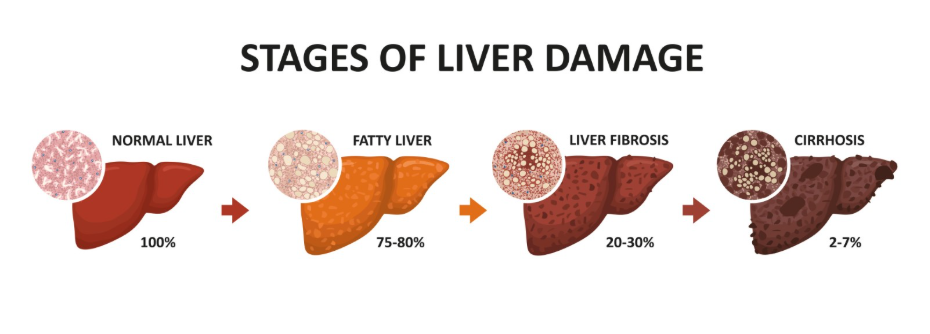
In the early stages, if the source of the injury is removed, the liver can produce enzymes that break down this excess collagen, allowing healthy cells to grow back. However, in cirrhosis, these patches of collagen have become thick, interconnected bands that surround islands of regenerating liver tissue. This structural distortion is much more difficult for the body to dismantle. While some clinical studies suggest that very small improvements in scar density can occur over several years of total abstinence or successful viral treatment, the primary goal for most patients in the UK remains the stabilisation of the disease rather than a full cure.
Treating the Cause to Halt Progression
The most effective way to manage cirrhosis is to treat the underlying condition that caused the scarring, which can stop further damage and allow the liver to function as effectively as possible. For example, if cirrhosis was caused by alcohol use, total abstinence is essential to prevent the remaining healthy liver cells from becoming scarred. If the cause is a viral infection like Hepatitis C, modern antiviral medications can clear the virus, which significantly reduces the inflammatory stress on the organ.
| Cause of Cirrhosis | Primary Management Strategy | Impact on Scarring |
| Alcohol-Related | Permanent abstinence from alcohol | Prevents new scars; allows inflammation to subside |
| Viral Hepatitis | Antiviral medications | Stops viral damage; may allow early scars to soften |
| Fatty Liver (NAFLD) | Weight management and metabolic control | Reduces fat-induced stress and inflammation |
| Autoimmune Disease | Immune-suppressing medications | Prevents the body from attacking liver cells |
NICE clinical guidelines highlight that the most important factor in the management of cirrhosis is the identification and treatment of the underlying cause to prevent the transition from compensated to decompensated liver disease. By removing the trigger for scarring, the liver is given the best chance to use its natural regenerative powers to support the healthy tissue that remains. This approach can often keep a person in the “compensated” phase, where they have cirrhosis but the liver is still performing its vital duties without causing major symptoms.
Liver Compensation and Functional Recovery
Many people with cirrhosis can live for a long time without symptoms because the liver is an incredibly resilient organ that can compensate for significant amounts of scar tissue. Even when a large portion of the liver is scarred, the remaining healthy cells can grow larger or work more efficiently to filter the blood and produce essential proteins. This is why a person can have a “cirrhotic” liver on a scan but still have relatively normal liver function tests in their blood work.
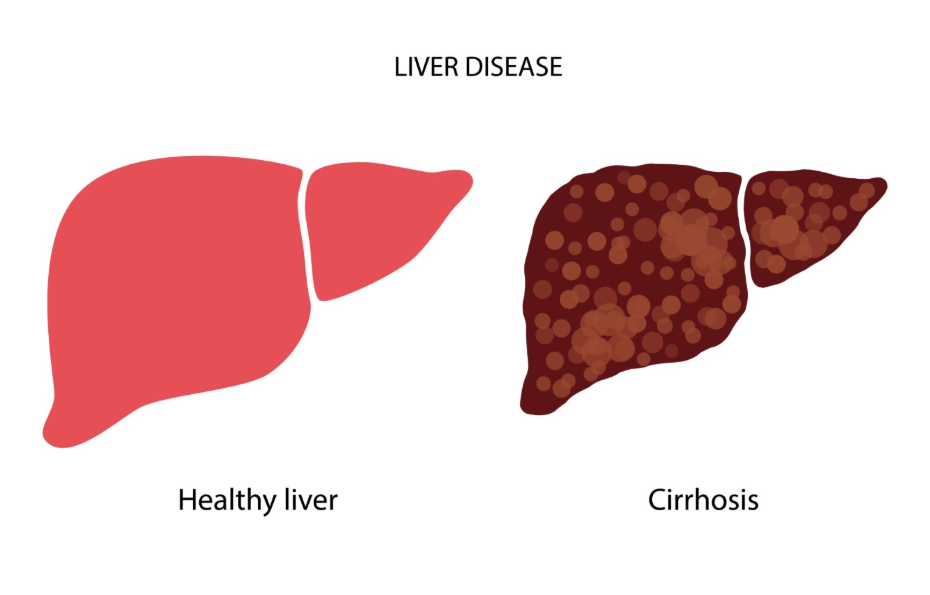
Clinical management in the UK focuses on supporting this compensation. This involves regular monitoring to ensure that the pressure in the liver’s blood vessels does not become too high and that the organ continues to produce enough albumin and clotting factors. While the physical scars may remain, the functional health of the patient can improve significantly if the liver is no longer being actively attacked by toxins or viruses. This functional recovery is often what patients mean when they ask if their condition is improving.
Advanced Cirrhosis and Transplantation
In cases where cirrhosis is very advanced and the liver can no longer compensate for the extent of the scarring, the condition is referred to as decompensated. At this stage, the risk of liver failure increases, and the body begins to show clear signs of distress such as jaundice or fluid buildup in the abdomen. When the liver has reached this level of structural damage, medical treatments are focused on managing life-threatening complications.
For patients with end-stage cirrhosis, a liver transplant may be the only way to replace the scarred organ with a healthy one. According to the GOV.UK health pages, a liver transplant is considered when the liver has been so severely damaged by cirrhosis that it can no longer function and other treatments are no longer effective. In the UK, the transplant process involves a detailed assessment to ensure the patient is strong enough for the surgery and that the new liver has the best chance of success. This is a definitive way to “reverse” the effects of cirrhosis on the body, although it requires a lifelong commitment to anti-rejection medication.
Conclusion
Advanced liver cirrhosis is generally a permanent structural change, but early scarring can sometimes be halted or slightly improved by treating the underlying cause. While a complete reversal of extensive scar tissue is rarely possible, many patients can achieve functional stability by following medical advice and making healthy lifestyle choices. The primary goal of UK liver care is to manage the condition so that the liver can continue to perform its essential functions despite the presence of scarring. If you experience severe, sudden, or worsening symptoms, call 999 immediately.
If my liver is scarred, will it ever be “normal” again?
Advanced cirrhosis is generally permanent, but your liver function can improve significantly if you treat the cause and protect your remaining healthy cells.
Can a healthy diet get rid of liver scars?
A healthy diet supports the liver and reduces stress, but it cannot physically remove thick bands of scar tissue once they have formed.
Is it true that the liver can grow back?
The liver can regenerate healthy cells to replace lost tissue, but it cannot easily regrow its normal structure if the scaffolding of the organ is already heavily scarred.
How do I know if my cirrhosis is getting worse?
Doctors look for signs of “decompensation,” such as new swelling in the legs or tummy, yellowing of the eyes, or confusion.
Can early scarring (fibrosis) be reversed?
Yes, early-stage fibrosis is often reversible if the inflammation is stopped and the liver is given a chance to heal.
Will stopping alcohol reverse my cirrhosis?
Stopping alcohol will not remove existing scars, but it is the most effective way to stop new scars from forming and can dramatically improve your liver function.
How often will my liver be checked?
People with cirrhosis in the UK are typically monitored every six months with blood tests and scans to check for complications and liver cancer.
Authority Snapshot (E-E-A-T)
This article provides medically factual health information regarding the management and potential reversibility of cirrhosis, strictly aligned with NHS and NICE clinical protocols. The content is developed by a professional medical writing team and reviewed by Dr. Rebecca Fernandez, a UK-trained physician with extensive experience in internal medicine, surgery, and emergency care. All information follows current UK public health standards to ensure accuracy and patient safety.