Maintaining quality of life during liver cancer treatment involves a proactive approach to managing physical symptoms, nutritional needs, and psychological wellbeing alongside the clinical management of the tumour. The liver is a central hub for metabolism and detoxification, and when its function is compromised by cancer or underlying cirrhosis, the impact on daily vitality can be significant. In the United Kingdom, the healthcare model for liver cancer is multidisciplinary, meaning that specialist teams work together to ensure that the patient’s comfort and functional independence are prioritised alongside the efforts to treat the malignancy. By effectively addressing common side effects such as fatigue, pain, and appetite loss, individuals can often continue to engage in meaningful activities and maintain a sense of normalcy. Success in preserving quality of life relies on open communication with the clinical team and the utilisation of the diverse supportive services provided by the NHS. Understanding the various pillars of supportive care allows patients to navigate the treatment journey with greater resilience and dignity.
What We’ll Discuss in This Article
- The importance of proactive symptom and pain management.
- Nutritional strategies to maintain energy and prevent muscle loss.
- Managing treatment-related fatigue and physical activity levels.
- The role of psychological and emotional support services.
- How specialist palliative care teams assist with quality of life.
- Practical steps for maintaining independence and daily routines.
Proactive Symptom and Pain Management
Maintaining quality of life requires the early identification and consistent management of physical symptoms, particularly pain and discomfort associated with the tumour or liver inflammation. Modern pain management strategies involve a tiered approach, starting with non-opioid medications and progressing to more specialised interventions if necessary. The NHS states that palliative care is not just for the end of life; it is about providing relief from symptoms such as pain and nausea to help you live as well as possible during treatment.
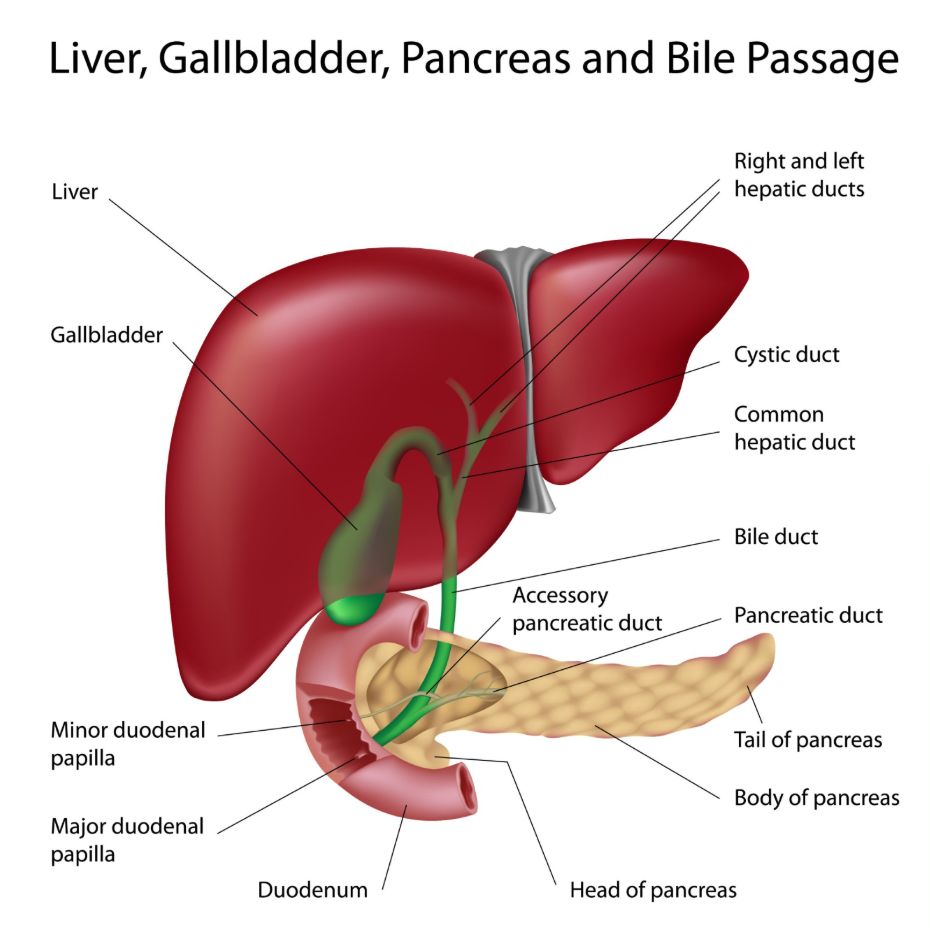
Liver-related pain is often felt in the upper right side of the abdomen or the right shoulder due to referred nerve signals. Specialist teams in the UK work to balance effective pain relief with the need to protect the liver from medications that might be difficult for a scarred organ to process. In addition to medication, techniques such as nerve blocks or targeted radiotherapy may be considered for localised pain relief. By addressing these physical stressors early, patients are better able to sleep, eat, and move, all of which are fundamental components of a good quality of life.
Nutritional Support for Energy and Vitality
Ensuring optimal nutrition is a vital part of maintaining quality of life, as both liver cancer and its treatments can lead to weight loss, reduced appetite, and a condition known as cachexia, where the body loses muscle mass. Because the liver processes everything we eat, nutritional needs change during cancer treatment to ensure the body has enough fuel to repair tissue and support the immune system.
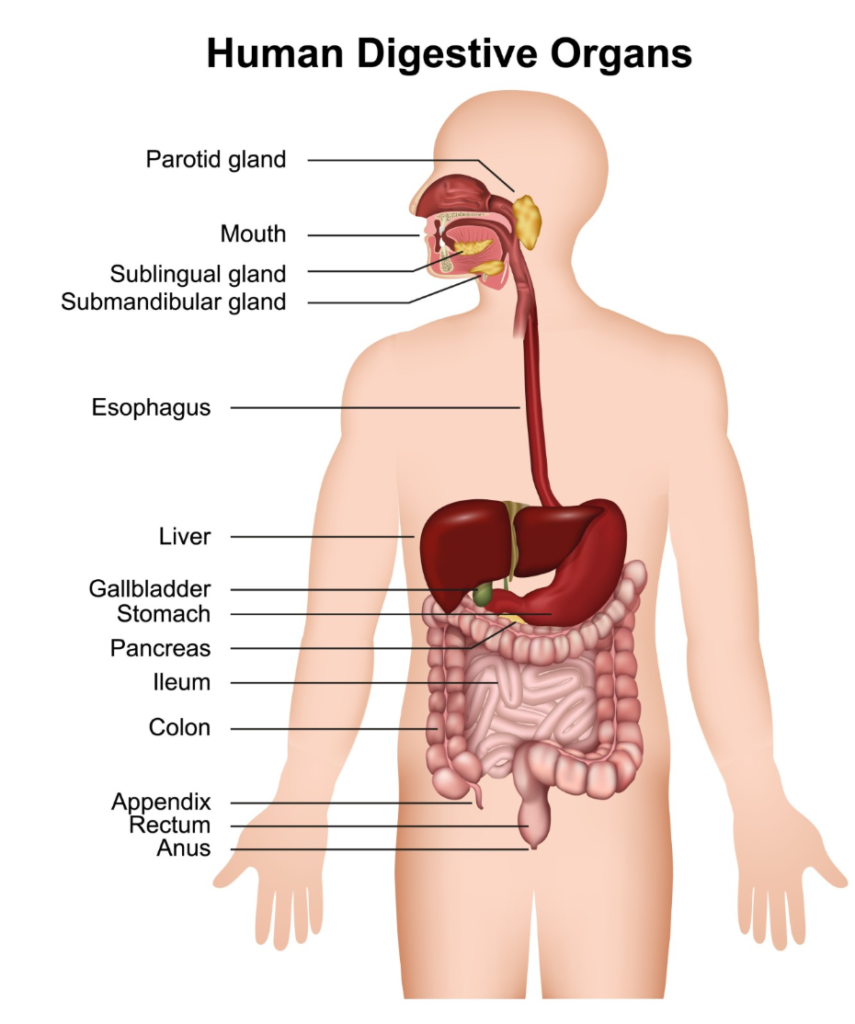
Dietitians within the NHS often recommend eating small, frequent, protein-rich meals throughout the day rather than three large ones. If appetite is poor, nutritional supplement drinks may be suggested to prevent further weight loss. Managing common digestive symptoms such as bloating or a feeling of fullness after eating very little is also essential. By stabilising nutritional intake, patients can maintain the physical strength required to tolerate treatment and stay involved in their daily social lives.
Managing Fatigue and Physical Independence
Fatigue is one of the most common challenges during liver cancer treatment, and managing it effectively involves a combination of structured rest and gentle, consistent physical activity. Cancer-related fatigue is different from normal tiredness and can feel overwhelming, but staying as active as possible actually helps to improve energy levels and mood.
UK clinical guidelines encourage patients to find a balance that works for their individual strength levels. This might involve short walks or gentle stretching, which helps to maintain muscle mass and prevents the physical deconditioning that makes fatigue worse. Pacing daily activities by prioritising the most important tasks for when energy is highest allows patients to maintain a level of independence. Occupations therapists can also provide advice on adapting the home environment or using equipment to make daily tasks less draining, ensuring that the patient remains as self-sufficient as possible.
Psychological and Emotional Wellbeing
Maintaining quality of life involves addressing the emotional and psychological impact of a cancer diagnosis and the subsequent treatment process. Feeling anxious, low, or overwhelmed is a natural response, and the UK health system provides various avenues for support, including clinical psychologists, specialist nurses, and support groups. NICE clinical guidelines recommend that all patients with cancer should have their psychological needs assessed regularly and be offered access to specialist support services as part of their integrated care plan.
Talking to a specialist nurse (CNS) can be particularly helpful, as they provide a bridge between the patient and the medical team, helping to clarify treatment goals and manage expectations. Many patients also find that engaging in mindfulness, relaxation techniques, or peer support groups helps to reduce the sense of isolation. By supporting emotional health, patients are better equipped to make informed decisions about their care and maintain positive relationships with their families and friends.
The Role of Specialist Palliative Care
Specialist palliative care teams are essential partners in maintaining quality of life, offering expert advice on the management of complex symptoms and providing holistic support for the whole family. In the UK, referral to a palliative care team often happens early in the treatment journey to ensure that the patient’s physical and emotional comfort is prioritised alongside curative or life-extending therapies.
| Service Provider | Role in Quality of Life | Common Support Provided |
| Specialist Nurse | Coordination and education | Explaining results and symptom monitoring. |
| Palliative Team | Advanced symptom control | Management of severe pain, nausea, or itching. |
| Occupational Therapist | Functional independence | Adapting the home and energy conservation. |
| Dietitian | Nutritional stability | High-protein plans and supplement advice. |
These teams can assist with challenging symptoms such as persistent itching (pruritus) caused by bile buildup or the confusion that can sometimes occur when liver function is low. They also facilitate important conversations about care preferences and future planning, ensuring that the patient’s voice is at the centre of every clinical decision. This comprehensive support network allows the patient to focus on living their life rather than being consumed by the management of their illness.
Conclusion
Maintaining quality of life during liver cancer treatment is achieved through a combination of effective pain management, nutritional support, and the early involvement of specialist palliative care teams. By addressing physical symptoms like fatigue and emotional challenges through the various support services available in the NHS, individuals can preserve their independence and wellbeing. Open communication with the multidisciplinary team ensures that care remains focused on the patient’s personal priorities and functional goals. Consistent supportive care provides the foundation for navigating treatment with the best possible quality of life. If you experience severe, sudden, or worsening symptoms, call 999 immediately.
Does palliative care mean the treatment has stopped?
No, palliative care is often provided alongside active cancer treatments to help manage your symptoms and improve your daily comfort.
How can I stop feeling so tired all the time? c
While fatigue is common, balancing gentle rest with short periods of light activity like walking can help improve your energy levels.
Is there a special diet to cure liver cancer?
There is no diet that cures cancer, but a high-protein, balanced diet is essential to help your body stay strong during treatment.
What can be done about the itching caused by my liver?
Your medical team can prescribe specific medications or creams to help reduce the itching caused by a buildup of bile salts in your skin.
Can I still work while having liver cancer treatment?
Many people continue to work with adjustments, but it depends on your energy levels and the type of treatment you are receiving.
Who can I talk to about my anxiety?
You can speak to your GP, your specialist nurse, or ask for a referral to a clinical psychologist or a local cancer support group.
Will my pain get worse as the treatment goes on?
Not necessarily; your team will regularly review your pain and adjust your management plan to ensure you stay as comfortable as possible.
Authority Snapshot (E-E-A-T)
This article provides medically factual health education regarding quality of life during liver cancer treatment, strictly aligned with NHS and NICE clinical guidelines. The content is developed by a professional medical writing team and reviewed by Dr. Stefan Petrov, a UK-trained physician with experience in general surgery, anaesthesia, and emergency care. All information follows current UK public health protocols to ensure accuracy and patient safety.