




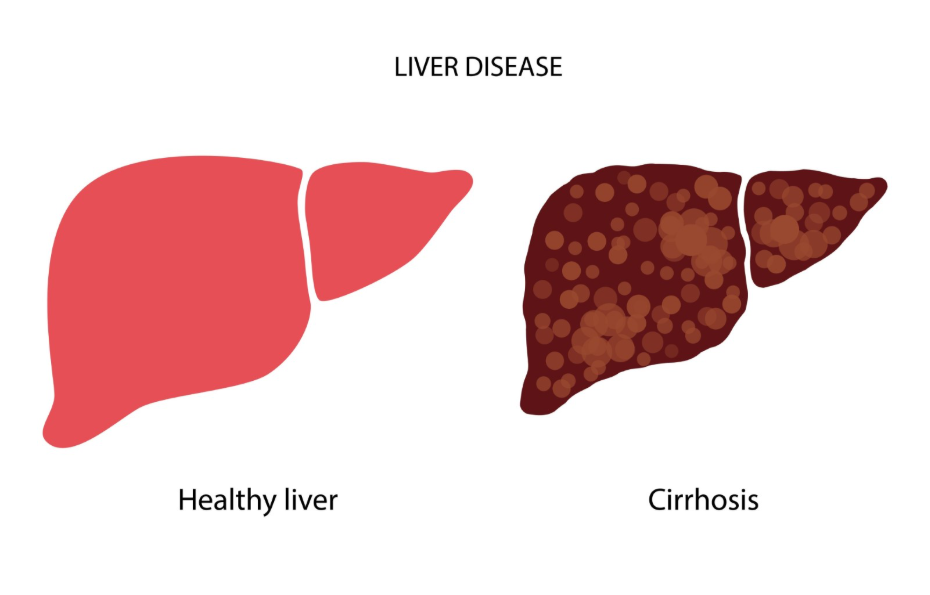
When fatty liver disease progresses to cirrhosis, the liver undergoes extensive scarring that permanently alters its structure and compromises its ability to perform essential life-sustaining functions. The liver is responsible for filtering toxins from the blood, producing proteins for blood clotting, and regulating energy stores, all of which become impaired as healthy tissue is replaced by fibrous scars. In the United Kingdom, the progression of non-alcoholic fatty liver disease into cirrhosis is a significant clinical concern because it transitions the condition from a largely reversible state to one where serious systemic complications can emerge. These complications affect not only the liver itself but also the circulatory, digestive, and neurological systems. Understanding the potential health outcomes of advanced liver scarring is essential for managing the condition and identifying the early warning signs of liver failure. Clinical management in the UK focuses on stabilising the liver to prevent “decompensation,” a stage where the organ can no longer meet the body’s metabolic demands.
What We’ll Discuss in This Article
- The development of portal hypertension and its effect on blood flow.
- The accumulation of fluid in the abdomen and legs known as ascites and oedema.
- Risks associated with enlarged veins and internal bleeding.
- The impact of toxin buildup on brain function and cognitive clarity.
- Increased susceptibility to infections and reduced immune response.
- The heightened risk of developing primary liver cancer in a scarred liver.
Portal Hypertension and Circulatory Changes
The most fundamental complication of cirrhosis is portal hypertension, which occurs when scar tissue obstructs the normal flow of blood through the liver, causing pressure to build up in the portal vein. The portal vein is the main vessel that carries blood from the digestive organs to the liver for filtration. The NHS explains that as the liver becomes more scarred, it is harder for blood to move through it, leading to increased pressure in the veins that lead to the liver.
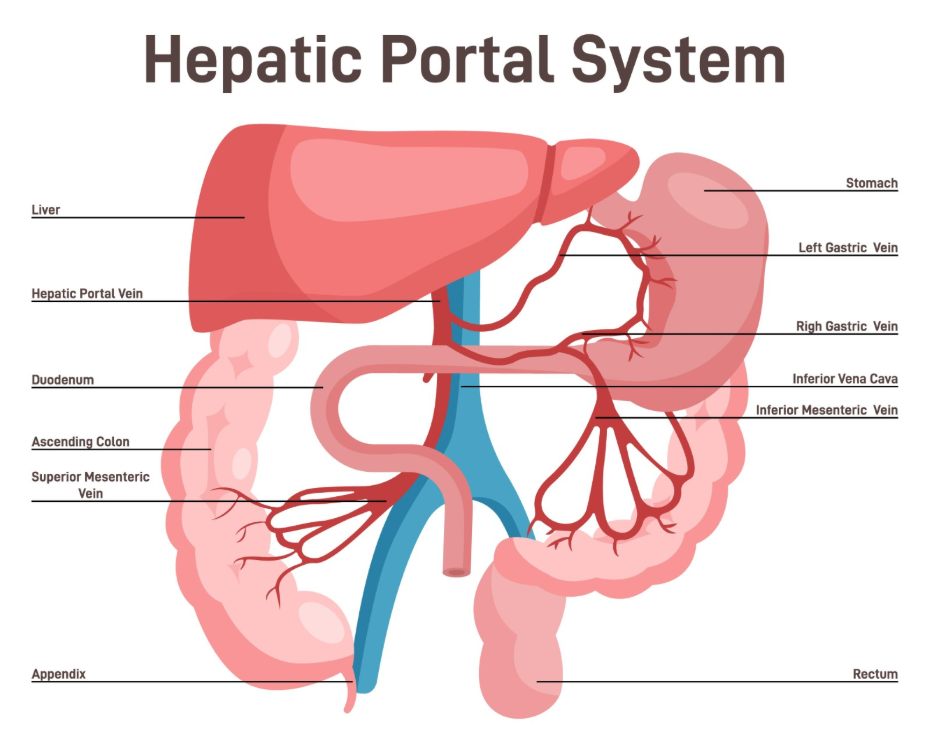
This increase in pressure forces the blood to find alternative routes back to the heart, often through smaller, more fragile veins in the food pipe (oesophagus) and stomach. Because these smaller vessels are not designed to handle high-pressure blood flow, they can become dangerously enlarged. Portal hypertension is the underlying cause of many other serious complications, including the backup of blood into the spleen, which can lead to a decrease in the number of blood cells and platelets circulating in the body.
Fluid Accumulation: Ascites and Oedema
As liver function declines and portal hypertension increases, many patients experience the accumulation of fluid in the abdomen, known as ascites, and in the legs and ankles, known as oedema. This happens because the liver can no longer produce sufficient amounts of a protein called albumin, which normally helps keep fluid inside the blood vessels. Without enough albumin, and with the added back-pressure from the portal vein, fluid leaks into the surrounding body cavities and tissues.
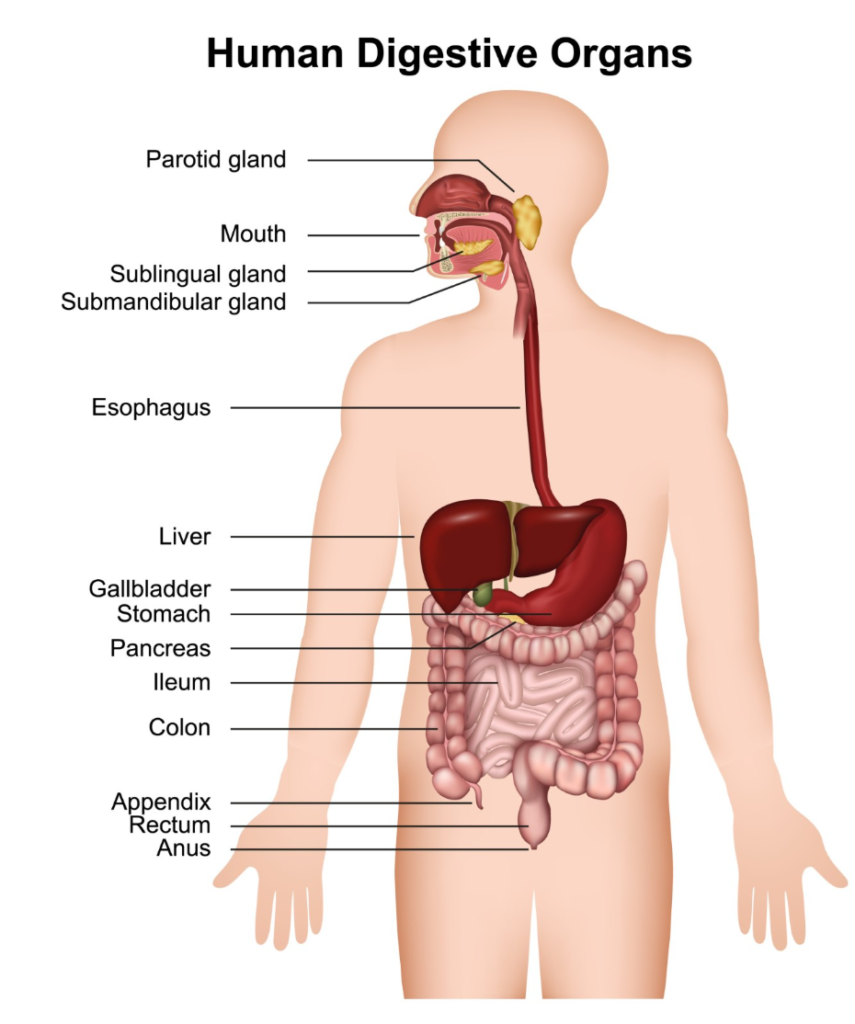
Ascites is often one of the first visible signs that cirrhosis has become advanced or “decompensated.” The buildup of fluid can be uncomfortable, leading to a feeling of fullness, weight gain, and difficulty breathing if the fluid presses against the diaphragm. In the UK, healthcare teams manage this through low-sodium diets and diuretic medications to help the kidneys remove the excess fluid. If left unmanaged, the fluid in the abdomen can become infected, a serious condition known as spontaneous bacterial peritonitis.
Oesophageal Varices and Internal Bleeding
Enlarged veins in the lining of the food pipe or stomach, known as varices, are a high-risk complication of cirrhosis that can lead to life-threatening internal bleeding. These veins become swollen due to the diverted blood flow caused by portal hypertension. Because the walls of these veins are thin and under high pressure, they are prone to rupturing, which causes sudden and severe bleeding.
In the United Kingdom, patients with a confirmed diagnosis of cirrhosis are monitored using endoscopy to check for the presence of varices. NICE clinical guidelines recommend that individuals with significant liver scarring should be regularly screened for varices to determine if preventative treatments, such as beta-blocker medications or vein banding, are necessary. Signs of bleeding varices include vomiting blood or passing black, tarry stools, both of which require immediate emergency medical intervention.
Hepatic Encephalopathy and Cognitive Decline
Hepatic encephalopathy is a neurological complication that occurs when a scarred liver can no longer effectively filter toxins, such as ammonia, from the bloodstream. When these toxins accumulate, they can travel to the brain and interfere with normal cognitive function. This can result in a range of symptoms, from mild confusion and changes in sleep patterns to severe disorientation and, in extreme cases, a coma.
| Stage of Encephalopathy | Common Symptoms | Clinical Impact |
| Mild | Forgetfulness, irritability, poor concentration | Minimal disruption to daily tasks. |
| Moderate | Slurred speech, personality changes, lethargy | Difficulty performing complex activities. |
| Severe | Severe confusion, agitation, extreme sleepiness | Requires urgent hospital monitoring. |
Management in the UK involves medications like lactulose, which helps the body excrete ammonia through the bowels. Maintaining a consistent nutritional intake is also important, as the breakdown of muscle tissue can increase the production of ammonia. Families and carers play a vital role in identifying the early, subtle changes in behaviour that may indicate the onset of this complication.
Increased Risk of Primary Liver Cancer
Individuals whose fatty liver disease has progressed to cirrhosis face a significantly higher risk of developing hepatocellular carcinoma, the most common form of primary liver cancer. The constant cycle of cell damage and regeneration in a scarred liver creates an environment where genetic mutations are more likely to occur. Because liver cancer often does not cause symptoms in its early stages, it is frequently found during routine medical checkups.
The GOV.UK health pages indicate that primary liver cancer is more common in people with cirrhosis, and regular six-monthly surveillance is the most effective way to detect it early. In the UK, this surveillance typically involves an ultrasound scan of the liver and a blood test for a protein called alpha-fetoprotein. Identifying a tumour while it is small offers the best chance for curative treatments, such as surgery or a liver transplant.
Conclusion
The complications of cirrhosis arising from fatty liver disease are serious and involve multiple organ systems, ranging from circulatory issues like portal hypertension to neurological changes and an increased risk of cancer. While the scarring is permanent, many of these complications can be managed or delayed through strict adherence to medical advice and regular clinical monitoring. The transition from compensated to decompensated cirrhosis marks a significant shift in health that requires specialist hepatology care. Consistent participation in the NHS surveillance programme remains the most effective way to protect long-term health. If you experience severe, sudden, or worsening symptoms, call 999 immediately.
Why does my tummy swell up if I have liver scarring?
A scarred liver cannot produce enough protein to keep fluid in your blood vessels, and high pressure in the liver veins causes fluid to leak into your abdomen.
Is it true that cirrhosis can affect my memory?
Yes, if your liver cannot filter toxins like ammonia, they can build up in your blood and affect your brain, causing confusion or forgetfulness.
What are varices?
Varices are enlarged, fragile veins in your food pipe or stomach that develop because blood cannot flow easily through your scarred liver.
Can I prevent liver cancer if I already have cirrhosis?
While you cannot remove the risk, attending your six-monthly ultrasound scans is the best way to find any cancer early when it is most treatable.
Why do I bruise more easily now?
A cirrhotic liver produces fewer proteins needed for blood clotting, and the condition can also lead to a lower number of platelets in your blood.
What is decompensation?
Decompensation is the stage where the liver can no longer cope with the damage, leading to obvious symptoms like jaundice, fluid buildup, or confusion.
Can I still reverse the damage at the cirrhosis stage?
While the scar tissue of cirrhosis is generally permanent, you can often stop it from getting worse by treating the cause and following lifestyle advice.
Authority Snapshot (E-E-A-T)
This article provides medically factual health education regarding the complications of liver cirrhosis, strictly aligned with NHS and NICE clinical guidelines. The content is developed by a professional medical writing team and reviewed by Dr. Stefan Petrov, a UK-trained physician with experience in general medicine, surgery, and emergency care. All information follows current UK public health protocols to ensure accuracy and patient safety.



