Colon polyps develop when the natural process of cell production and replacement in the lining of the large intestine becomes disrupted, leading to an overgrowth of tissue. The lining of the colon is constantly renewing itself, with old cells being shed and replaced by new ones in a tightly regulated biological cycle. However, if a mutation or error occurs in the genetic instructions that govern this process, cells may begin to divide too rapidly or live longer than necessary. This accumulation of surplus cells eventually forms a small protrusion on the inner surface of the bowel wall, known as a polyp. In the United Kingdom, healthcare professionals monitor the development of these growths because, while most remain benign, certain types can undergo further cellular changes over many years. Identifying the triggers for this overgrowth is a primary focus of preventative gastrointestinal medicine. By understanding the combination of age-related changes, genetic predispositions, and modifiable lifestyle factors that contribute to polyp formation, the UK healthcare system can better target screening and intervention strategies.
What We’ll Discuss in This Article
- The cellular mechanisms behind abnormal tissue growth in the bowel.
- How the ageing process influences the likelihood of polyp formation.
- The role of inherited genetic syndromes in early-onset polyps.
- Impact of dietary choices, including red meat and fibre intake.
- Lifestyle factors such as smoking, alcohol, and body weight.
- UK clinical protocols for identifying and managing polyp risks.
Cellular Mutations and Disrupted Renewal Cycles
The primary cause of colon polyps is a series of mutations in the DNA of the cells lining the colon, which interferes with the standard biological signals for cell growth and death. Normally, cells in the intestinal mucosa follow a predictable life cycle where they grow, perform their function, and are replaced after a few days. The NHS states that bowel polyps are caused by an overgrowth of cells in the lining of the large intestine.
When specific genes known as oncogenes or tumour suppressor genes undergo changes, the “off switch” for cell division may fail. This results in a localised cluster of cells that protrudes into the space inside the colon. Most of these growths are adenomas, which are characterised by specific microscopic patterns of abnormal tissue. While the body often has repair mechanisms to correct DNA errors, the cumulative impact of these mutations over time can overwhelm these defences. In the UK, when a polyp is removed, it is analysed to determine the degree of cellular change, which helps clinicians assess the risk of future growths.
The Influence of Ageing on Bowel Lining Changes
Ageing is the most significant non-modifiable risk factor for developing colon polyps because the likelihood of cellular mutations increases the longer the bowel lining is exposed to metabolic stress. As individuals get older, the biological processes responsible for accurately copying DNA during cell division can become less precise. This is why polyps are rarely found in children but are a common finding in adults over the age of 50.
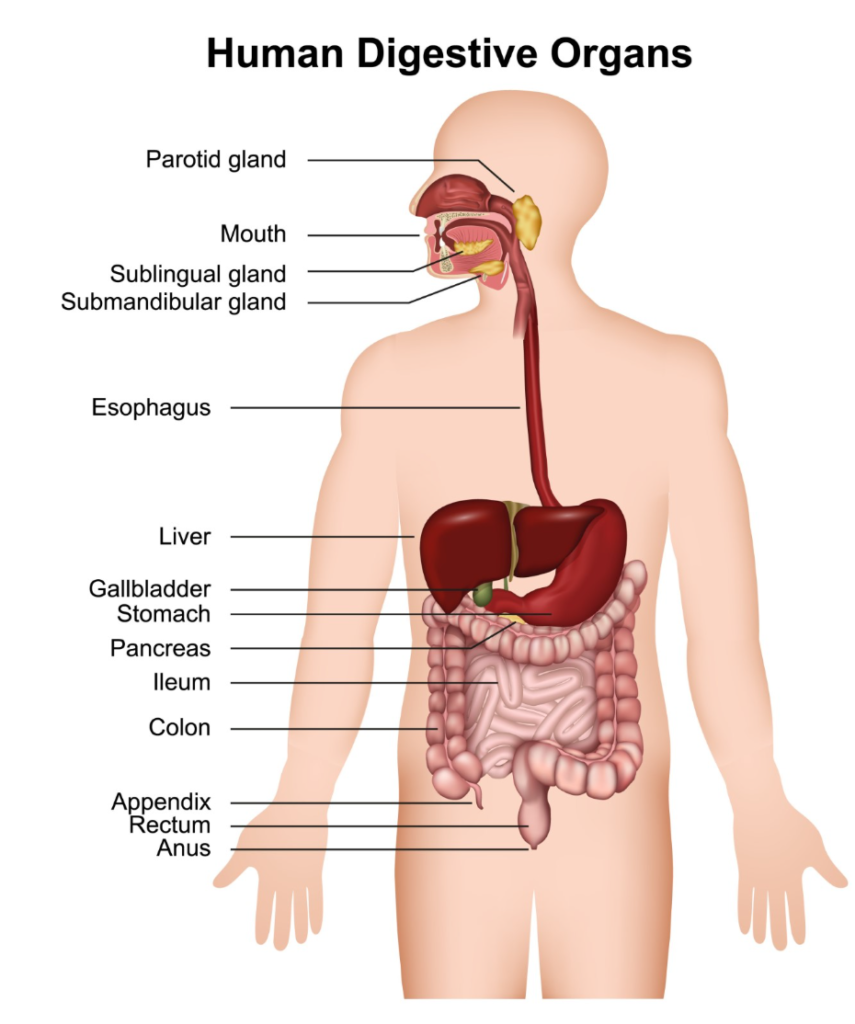
In the United Kingdom, national screening programmes are specifically designed to begin at ages when the prevalence of polyps starts to rise significantly. The “wear and tear” on the colon wall from decades of processing waste products also contributes to a more vulnerable environment for tissue overgrowth. By the time a person reaches their 60s or 70s, the probability of having at least one polyp is substantial. This age-related trend is why UK clinical guidelines prioritise regular bowel checks for the older population, as finding and removing these growths early prevents them from accumulating further mutations over subsequent decades.
Genetic Predispositions and Hereditary Syndromes
While most polyps occur sporadically, a small percentage of cases are caused by inherited genetic conditions that predispose individuals to develop multiple polyps, often at a much younger age. These syndromes are caused by specific mutations passed down through families that significantly increase the rate of cell division in the colon.
| Genetic Condition | Clinical Characteristic | Management Focus |
| Lynch Syndrome | Increased risk of polyps and other cancers. | Regular, early-onset colonoscopies. |
| FAP | Development of hundreds of polyps. | Intensive surveillance and often surgery. |
| MAP | Linked to specific MUTYH gene mutations. | Monitoring of both large and small bowel. |
NICE clinical guidelines for colorectal cancer prevention emphasise that individuals with a strong family history of bowel conditions should be offered genetic testing and earlier screening. In these cases, the “first hit” to the DNA is already present at birth, making it much easier for subsequent mutations to trigger polyp formation. The UK healthcare system provides integrated genetic counselling and specialist surveillance for these high-risk groups to ensure that polyps are identified and removed as soon as they emerge.
Dietary Factors and Bowel Irritation
Long-term dietary habits play a critical role in the development of colon polyps by influencing the level of irritation and inflammation within the bowel environment. Diets that are high in red and processed meats such as bacon, sausages, and ham have been consistently linked to a higher risk of polyp formation. These foods contain chemicals that can damage the DNA of the cells lining the colon during digestion.
Conversely, a high-fibre diet is considered a protective factor because fibre helps move waste through the colon more quickly, reducing the time that the bowel lining is in contact with potential toxins. The GOV.UK health pages indicate that following a balanced diet with at least five portions of fruit and vegetables a day is essential for maintaining a healthy bowel environment and reducing polyp risk. Fibre also supports the growth of beneficial gut bacteria, which produce short-chain fatty acids that help regulate the health and renewal of the colon cells. In the UK, public health advice focuses on these modifiable dietary choices as a primary way for individuals to lower their personal risk of developing bowel growths.
Impact of Lifestyle: Weight, Smoking, and Alcohol
Lifestyle choices, including body weight, smoking status, and alcohol consumption, are significant contributors to the development of colon polyps through their effects on systemic inflammation and oxidative stress. Obesity, particularly when fat is stored around the abdomen, is linked to metabolic changes that promote cellular growth and insulin resistance, both of which can encourage the formation of polyps.
Other modifiable factors include:
- Smoking: Inhaled toxins from cigarettes enter the bloodstream and can directly damage the DNA of cells in the digestive tract.
- Alcohol Intake: Heavy alcohol consumption is associated with higher rates of large adenomatous polyps.
- Physical Inactivity: A sedentary lifestyle is linked to slower bowel transit times and higher inflammatory markers.
By maintaining a healthy weight and avoiding tobacco and excessive alcohol, individuals in the UK can significantly reduce the chemical and metabolic stress on their colon lining. These factors are often interconnected; for instance, regular exercise not only helps with weight management but also improves bowel motility, which further protects the colon wall. UK healthcare professionals frequently discuss these lifestyle modifications during routine check-ups as part of a holistic approach to gastrointestinal health.
Clinical Identification and Management Protocols
In the United Kingdom, the management of colon polyps involves a proactive approach to identification and removal before they can cause symptoms or progress in size. Most polyps are discovered during a colonoscopy, where a thin, flexible camera is used to inspect the entire lining of the large intestine. When a polyp is found, it is typically removed during the same procedure, a process called a polypectomy.
Once removed, the tissue is sent to a laboratory to be examined under a microscope. This analysis determines if the polyp was an adenoma and assesses the presence of any “dysplasia,” which describes how abnormal the cells appear. This information is vital for determining the patient’s future risk level and deciding how often they should return for follow-up checks. The UK’s integrated care pathway ensures that every patient who has polyps removed enters a structured surveillance programme, ensuring that any new growths are identified and managed promptly to maintain long-term bowel stability.
Conclusion
Colon polyps are caused by a combination of cellular mutations, age-related changes, and modifiable lifestyle factors that disrupt the normal renewal of the bowel lining. While genetics and ageing play significant roles, dietary choices and habits such as smoking and alcohol consumption are critical factors that can be managed to lower the risk. In the UK, regular screening and colonoscopies provide the primary means of detecting and removing these growths early. Maintaining a healthy lifestyle is the most effective way to support a stable and healthy colon environment. If you experience severe, sudden, or worsening symptoms, call 999 immediately.
Can I stop polyps from growing if I change my diet now?
A healthy diet can help prevent new polyps from forming, but it cannot remove a polyp that is already present; those must be removed by a doctor.
Are polyps caused by constipation?
There is no direct evidence that constipation causes polyps, but both are often linked to a low-fibre diet, which is a known risk factor for bowel issues.
Why does my doctor ask about my family’s bowel history?
Certain genetic mutations that cause polyps can run in families, so knowing your history helps doctors decide if you need earlier or more frequent screening.
Do polyps cause pain as they grow?
Most polyps are entirely painless and cause no symptoms, which is why they are often only found during routine medical tests or screenings.
Can certain medications prevent polyps?
Some medications are being studied for this, but you should only take medications as prescribed by your doctor and not for the purpose of polyp prevention.
How long does it take for a polyp to develop?
The formation of a polyp is a very slow process that usually takes several years, which is why screening every few years is effective.
Is there a test to find polyps without a colonoscopy?
The FIT stool test used in the UK national screening programme can detect microscopic blood, which may be a sign of polyps, though a colonoscopy is needed for a definitive check.
Authority Snapshot (E-E-A-T)
This article provides medically factual health education regarding the causes of colon polyps, strictly aligned with NHS and NICE clinical guidelines. The content is developed by a professional medical writing team and reviewed by Dr. Rebecca Fernandez, a UK-trained physician with extensive experience in general surgery, internal medicine, and emergency care. All information follows current UK public health protocols to ensure clinical accuracy and patient safety.