




While a kidney transplant is widely considered the best treatment for end-stage renal disease, it is not a ‘cure’ in the traditional sense. A successful transplant restores kidney function and usually allows a patient to stop dialysis, but it requires lifelong medical management to prevent the body from rejecting the new organ. It is more accurately described as a long-term treatment that offers a better quality of life and improved survival rates compared to staying on dialysis.
What We’ll Discuss in This Article
- The distinction between a clinical ‘cure’ and a long-term treatment
- How a transplanted kidney functions compared to your original kidneys
- The role of immunosuppressant medication in maintaining the transplant
- Potential risks and reasons why a transplant might fail over time
- How lifestyle factors and medical monitoring change after surgery
- What happens if a transplanted kidney stops working
The clinical reality of a kidney transplant
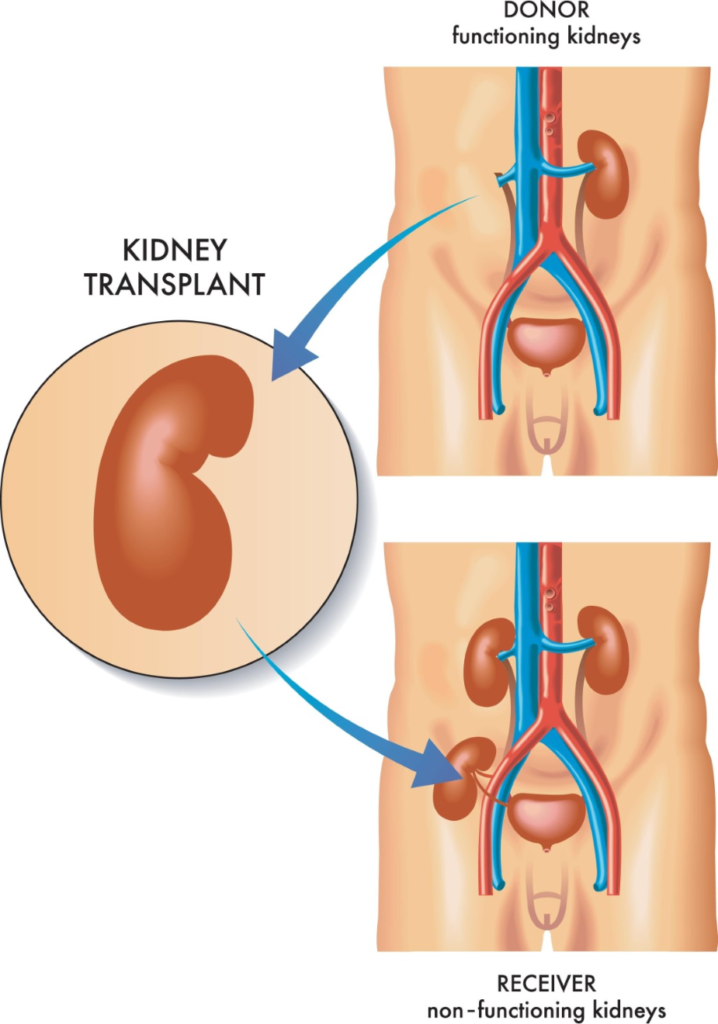
A kidney transplant involves placing a healthy kidney from a donor into a person with kidney failure. Unlike other treatments, a transplant can perform all the essential functions of a healthy kidney, including filtering waste, balancing electrolytes, and producing hormones like erythropoietin. For many, this feels like a cure because it removes the need for dialysis and many of the restrictive dietary limitations associated with kidney failure.
However, because the new kidney comes from another person, your immune system naturally identifies it as ‘foreign’ and will attempt to attack it. This means that a transplant is a life-long commitment to medical therapy. If a patient stops taking their medication, the kidney failure will return as the body rejects the organ. Therefore, while it ‘fixes’ the symptoms of kidney failure, the underlying susceptibility to the condition remains managed rather than eliminated.
Maintaining the transplant through medication
To keep the new kidney working, patients must take immunosuppressant medications for as long as the transplant lasts. these drugs work by ‘dampening’ the immune system so it does not attack the donor kidney. While highly effective, these medications come with their own set of challenges. Because they lower the immune response, patients are at a higher risk of infections and certain types of skin cancers.
Regular blood tests are essential to ensure the levels of medication are correct not so high that they cause toxic side effects, and not so low that the kidney begins to be rejected. Most patients also need to take medications to manage blood pressure and protect against bone thinning, which can be side effects of the anti-rejection drugs. This constant medical monitoring is why doctors view a transplant as a managed chronic condition.
Comparing life on dialysis vs life with a transplant
The following table highlights the differences in daily life and health outcomes between the two primary treatments for kidney failure:
| Feature | Dialysis (Haemodialysis/Peritoneal) | Kidney Transplant |
| Blood Filtration | Intermittent (sessions) | Continuous (24/7) |
| Dietary Freedom | Often highly restricted | Much more flexible |
| Medication | Phosphate binders, vitamins | Lifelong immunosuppressants |
| Energy Levels | Often fluctuates (fatigue) | Generally much higher |
| Travel | Requires significant planning | Much easier, like a healthy person |
| Long-term Survival | Generally lower | Generally significantly higher |
Causes for transplant failure over time
Even with perfect adherence to medication, a transplanted kidney does not always last forever. On average, a kidney from a living donor lasts about 15 to 20 years, while a kidney from a deceased donor lasts about 10 to 15 years. There are several reasons why a transplant might eventually stop working, which clinicians refer to as ‘graft failure’.
One common cause is chronic rejection, where the immune system slowly damages the kidney over many years despite medication. Another cause is the return of the original disease that caused the initial kidney failure, such as certain types of glomerulonephritis. Additionally, the anti-rejection medications themselves can be mildly toxic to the kidneys over several decades. When a transplant fails, the patient will need to return to dialysis or wait for a second transplant.
Triggers for transplant rejection
Rejection is the most significant hurdle in the life of a transplant. It can happen in two main ways: acute and chronic. Acute rejection typically occurs in the first few months after surgery and is often triggered by the immune system reacting strongly to the new organ. This is usually treatable with a temporary increase in steroid medication or other intensive therapies.
Chronic rejection is a slower process and is often triggered by ‘sub-clinical’ issues, such as the patient missing doses of medication or the development of new antibodies against the donor tissue. Infections or severe dehydration can also put a strain on the transplanted kidney, potentially triggering a decline in function. This is why immediate medical attention is required if a transplant patient develops a high fever or a sudden drop in urine output.
Differentiation: Successful transplant vs ‘cured’ state
It is important to differentiate between a successful transplant and being ‘cured’. A person who is ‘cured’ of a disease no longer needs ongoing treatment or specialised monitoring for that specific issue. A transplant patient, however, remains a ‘chronic kidney patient’. They must attend regular renal clinic appointments, undergo frequent blood work, and remain vigilant about their health.
While the patient may feel ‘cured’ because they no longer need a dialysis machine and their energy has returned, they are effectively trading one set of medical requirements (dialysis) for another (immunosuppression). In the UK, the NHS prioritises transplants because they offer the best long-term health outcomes, but the medical team will always manage the patient’s expectations by explaining that the transplant is a gift of time and health that requires careful maintenance.
My Final Conclusion
A kidney transplant is the most effective treatment for kidney failure, offering a lifestyle that is very close to that of someone with healthy kidneys. However, it is not a permanent cure because it requires lifelong medication and monitoring to prevent rejection. While most transplants last for many years and significantly improve life expectancy, they remain a sophisticated form of long-term management rather than a one-time fix.
If you experience severe, sudden, or worsening symptoms, such as a high fever, sudden pain over the transplant site, or a total stop in urine production, call 999 immediately.
Can I get a second transplant if the first one fails?
Yes, many people receive a second or even a third kidney transplant if their previous one stops working and they are still healthy enough for surgery.
Will I still have my old kidneys?
In most cases, the original kidneys are left in place unless they are causing problems like infection or high blood pressure. The new kidney is usually placed in the lower abdomen.
Is the surgery dangerous?
Like all major operations, there are risks, but kidney transplants are common and highly successful procedures in the UK.
Does a transplant mean I can eat anything?
While your diet will be much broader than on dialysis, you still need to eat healthily to protect the new kidney and manage potential medication side effects like weight gain.
Can I work after a transplant?
Yes, most people return to work and lead very active lives after they have recovered from the surgery.
How long is the recovery after the operation?
Most patients stay in the hospital for about a week and take two to three months to fully recover and return to normal activities.
Do I still need to drink lots of water?
Yes, staying well-hydrated is crucial for the health of a transplanted kidney.
Authority Snapshot
This article was written by Dr. Rebecca Fernandez, a UK-trained physician with experience in internal medicine and intensive care. This guide explains the clinical nuances of kidney transplantation, focusing on the transition from dialysis to long-term transplant management. The content is based on established NHS and renal clinical protocols to provide accurate, safe, and realistic expectations for patients and their families.



