




Stress urinary incontinence is a physical condition where urine leaks out during moments of increased abdominal pressure. It is specifically related to the mechanical support of the bladder rather than psychological stress. When the pelvic floor muscles or the urethral sphincter are weakened, they can no longer hold the weight of the bladder or resist sudden movements. UK continence reports suggest that urinary incontinence is very common, with around one‑third of women living with urinary incontinence and a substantial minority of men also affected, particularly in later life. The primary symptom is the involuntary passing of urine, which often occurs without any preceding urge. Recognising the specific activities that lead to leakage is the first step in identifying this condition and seeking appropriate clinical support.
What We will cover in This Article
- Detailed overview of the physical symptoms associated with stress incontinence.
- Identification of mechanical triggers such as coughing, sneezing, and exercise.
- The physiological causes of pelvic floor and urethral sphincter dysfunction.
- Statistical data regarding the prevalence of stress incontinence in the UK population.
- How symptoms vary based on bladder fullness and activity intensity.
- Clinical signs that distinguish stress leakage from other bladder issues.
- Risk factors that contribute to the weakening of pelvic support structures.
Identifying the Physical Symptoms of Stress Leakage
The most frequent symptom of stress incontinence is the sudden, involuntary loss of urine during physical activity. This leakage is typically immediate and directly coincides with the movement that puts pressure on the bladder. While the amount of urine lost is often small, such as a few drops or a brief spurt, it can be more significant if the bladder is full or if the physical impact is particularly high.
NHS data indicates that millions of people in the UK manage these symptoms daily. In women, the onset is frequently linked to life events like pregnancy, childbirth, or menopause, which can alter the structural integrity of the pelvic floor. For men, symptoms are less common but often present as a side effect of surgical procedures. Unlike other types of incontinence, there is usually no warning sign, such as a sudden urge to go, before the leakage happens.
Mechanical Triggers and Symptom Variation
Stress incontinence symptoms are triggered by specific mechanical actions that increase intra-abdominal pressure. These triggers can be categorized into high impact and low impact activities. Low impact triggers might include a gentle laugh or standing up from a seated position, whereas high impact triggers involve much more sudden force.
A 2025 report by The Urology Foundation estimates that 14 million people in the UK live with bladder problems, with stress incontinence being a leading cause. The severity of the symptoms often depends on how much urine is in the bladder at the time of the trigger. A person may find they do not leak when their bladder is empty, but experience significant issues after drinking fluids.
- Coughing and Sneezing: These are the most common triggers as they create a sharp, rapid increase in pressure.
- Laughing: Prolonged laughter can lead to sustained pressure that overcomes the urethral seal.
- Heavy Lifting: Straining to lift objects engages the abdominal muscles, pushing down on the bladder.
- Exercise: Running, jumping, or aerobic activities involve repetitive impact that can cause leakage.
- Sexual Intercourse: Physical pressure on the pelvic region can lead to involuntary urine loss.
The Role of Pelvic Floor Weakness
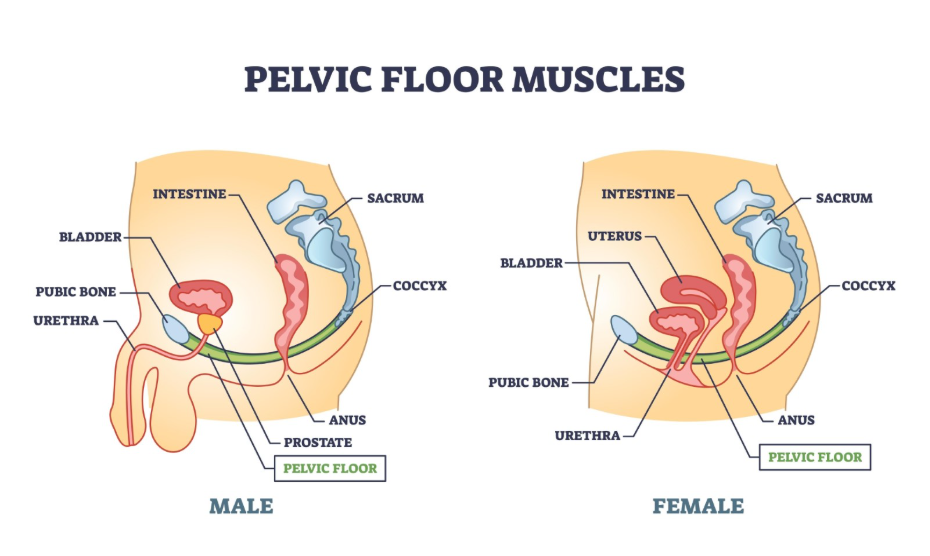
The symptoms of stress incontinence are essentially the result of a failure in the ‘hammock’ of muscles known as the pelvic floor. These muscles, along with the urethral sphincter, work together to keep the urethra closed. When these muscles are stretched, thinned, or damaged, they can no longer provide the necessary resistance to physical stress.
According to research published by the British Association of Urological Surgeons, the loss of hormonal support during menopause is a significant factor in muscle weakness. Oestrogen helps maintain the thickness and elasticity of the urethral lining; when levels drop, the seal becomes less effective. In men, damage to the sphincter during prostate surgery can result in similar symptoms, as the mechanical ‘valve’ is no longer fully functional.
Risk Factors for Symptom Development
| Factor | Description | Clinical Impact |
| Childbirth | Vaginal delivery can stretch pelvic nerves and muscles | High risk of postpartum symptoms |
| Obesity | Excess weight puts constant pressure on the pelvic floor | Increases frequency of leakage episodes |
| Chronic Cough | Constant straining from smoking or asthma | Repetitive stress on the sphincter |
| Ageing | Natural loss of muscle tone over time | Symptoms may worsen without exercise |
Distinguishing Symptoms from Overactive Bladder
It is important to note that the symptoms of stress incontinence are distinct from those of an overactive bladder (urge incontinence). While both involve involuntary leakage, the ‘how’ and ‘why’ are different. Stress incontinence is a structural problem, while urge incontinence is typically a problem with the bladder muscle itself contracting when it should not.
Healthcare professionals often use a bladder diary to help patients identify which type they have. If the diary shows that leaks always happen during movement, it confirms stress incontinence. If the leaks happen when the person is still but feels a sudden, intense need to go, it indicates urge incontinence. Understanding these differences is crucial for choosing the right management plan, as the treatments for each vary significantly.
- Stress Incontinence Signs: Leakage during activity, no prior urge, small to moderate volumes.
- Urge Incontinence Signs: Leakage preceded by a sudden urge, happens even when still, often larger volumes.
- Mixed Symptoms: Many people experience a combination of both types, known as mixed urinary incontinence.
My final conclusion
Stress incontinence is characterized by involuntary leakage during physical activities that put pressure on the bladder, such as coughing, laughing, or exercising. It is a common condition resulting from a weakened pelvic floor or urethral sphincter, often linked to life events like childbirth or ageing. By identifying specific triggers and understanding the mechanical nature of the condition, individuals can take proactive steps toward management. Evidence based treatments, such as pelvic floor muscle training and lifestyle modifications, are highly effective in reducing or eliminating these symptoms.
If you experience severe, sudden, or worsening symptoms, or if you notice blood in your urine, call 999 immediately.
Is it normal to leak a little when I sneeze?
While common, it is not considered ‘normal’ and is a sign of stress incontinence that can often be improved with pelvic floor exercises.
Can men experience stress incontinence after surgery?
Yes, it is a known possible side effect following prostate surgery if the urethral sphincter has been affected.
How much urine is typically lost during a stress episode?
The amount varies; it can be as little as a few drops or a significant spurt depending on the intensity of the trigger.
Do I need surgery for stress incontinence?
Surgery is usually only considered if conservative treatments, like pelvic floor training, have not been successful after several months.
Does caffeine make stress incontinence symptoms worse?
Caffeine is a bladder irritant that affects ‘urge’ symptoms more directly, but it can contribute to overall bladder sensitivity.
What is the best exercise for stress incontinence?
Pelvic floor muscle training, often called Kegels, is the most evidence based exercise for strengthening the pelvic floor.
Can pregnancy cause permanent stress incontinence?
Many women find their symptoms improve significantly after birth with proper exercise, though some may require ongoing management.
Authority Snapshot
This article was written by the Medical Content Team and reviewed by Dr. Stefan Petrov, a UK-trained physician with experience in general medicine, surgery, and emergency care. The information provided is based on current clinical standards from the NHS and NICE guidelines for the assessment and management of urinary incontinence. This article aims to provide a clear, factual overview of symptoms to help readers understand their condition and the available pathways for care in the UK.



