




Diabetes is a chronic health condition that occurs when the level of glucose in your blood becomes too high. Glucose is a vital source of energy for the cells that make up your muscles and tissues, and it also serves as the main fuel source for your brain. In a healthy body, the pancreas produces a hormone called insulin which acts as a chemical messenger to allow glucose from the food you eat to enter your cells. When someone has diabetes, their body either cannot produce any insulin at all or cannot effectively use the insulin it does make. This leads to a buildup of sugar in the bloodstream which can cause significant damage to the body over time if it is not managed correctly.
What We’ll Discuss in This Article
- The biological role of insulin and the function of the pancreas.
- The differences between the primary types of diabetes found in the United Kingdom.
- How chronic high blood sugar levels impact the heart and circulatory system.
- The effect of glucose on kidney filtration and overall renal health.
- The progression of nerve damage and its consequences for the feet and limbs.
- How the condition influences visual health and the small vessels in the eyes.
The biological role of insulin and the function of the pancreas
The pancreas is a large gland located behind the stomach that plays a critical role in how the body processes energy. Its primary job in glucose regulation is to produce and release insulin into the bloodstream. When you eat, your body breaks down carbohydrates into glucose, causing your blood sugar levels to rise. This rise signals the pancreas to release insulin. Once in the blood, insulin attaches to cells and tells them to absorb the glucose. This process keeps your blood sugar levels within a very narrow and healthy range while ensuring your cells have the energy they need to function.
In people with diabetes, this internal system is disrupted. If the pancreas does not produce enough insulin, the glucose stays in the blood instead of reaching the cells. This state of high blood sugar, known as hyperglycemia, can make a person feel very tired because their cells are essentially being starved of fuel. Over the long term, the presence of too much sugar in the blood is toxic to the blood vessels and nerves. This is why the primary goal of medical treatment is to keep blood sugar levels as close to normal as possible through medication, monitoring, and lifestyle adjustments.
The differences between Type 1 and Type 2 diabetes
Type 1 and Type 2 diabetes are the two most common forms of the condition in the United Kingdom, but they develop for very different reasons. Type 1 diabetes is an autoimmune condition where the body’s immune system mistakenly attacks and destroys the insulin producing cells in the pancreas. This means the body produces no insulin at all. It is not caused by diet or lifestyle and is usually diagnosed in children or young adults, although it can happen at any age. People with Type 1 must take insulin every day for the rest of their lives to survive.
Type 2 diabetes is far more common and usually develops later in life, though it is increasingly seen in younger people. In this form, the body’s cells become resistant to the effects of insulin, or the pancreas stops producing enough of it. While genetics play a significant role, Type 2 is also linked to factors such as weight and activity levels. Statistics from the 2024 National Diabetes Audit show that over five million people in the UK have a diagnosis of diabetes, with Type 2 accounting for approximately 90 percent of those cases. Unlike Type 1, Type 2 can sometimes be managed or even put into remission through significant weight loss and dietary changes.
How high blood sugar levels impact the heart
Diabetes has a profound effect on the cardiovascular system because high blood sugar levels damage the lining of the blood vessels. Over time, this damage makes it easier for fatty deposits to build up in the arteries, a process known as atherosclerosis. This causes the arteries to narrow and harden, which restricts the flow of blood to the heart and the rest of the body. Because of this, people with diabetes have a significantly higher risk of experiencing a heart attack or a stroke compared to people who do not have the condition.
The British Heart Foundation notes that adults with diabetes are twice as likely to have a stroke and are at a much higher risk of developing coronary heart disease. High blood sugar often goes hand in hand with high blood pressure and high cholesterol, which further increases the strain on the heart muscle. Managing these three factors together is essential for reducing the risk of a major cardiac event. The NHS provides guidance on managing cardiovascular risk by emphasizing the importance of regular blood pressure checks and cholesterol monitoring as part of annual diabetes reviews.
The effect of glucose on kidney filtration
The kidneys are responsible for filtering waste products and excess fluid from the blood. They contain millions of tiny clusters of blood vessels that act as delicate filters. When blood sugar levels are consistently high, the kidneys have to work much harder to filter the blood. Over several years, this extra work can damage the filters, causing them to leak. When the filters are damaged, they allow a protein called albumin to pass from the blood into the urine. This condition is known as diabetic nephropathy and it is one of the leading causes of kidney failure in the UK.
As the kidney damage progresses, the kidneys become less efficient at clearing toxins from the body. If the damage becomes severe, it can lead to end stage renal disease, which requires dialysis or a kidney transplant. Because kidney damage often does not cause symptoms until it is quite advanced, it is vital for people with diabetes to have a yearly urine test to check for protein and a blood test to check how well the kidneys are functioning. Early detection allows healthcare providers to prescribe medications that can protect the kidneys and slow down the progression of the disease.
Nerve damage and complications in the feet
One of the most common long term complications of diabetes is nerve damage, which is medically known as neuropathy. High blood sugar can injure the walls of the tiny blood vessels that supply oxygen and nutrients to your nerves. This most often affects the nerves in the legs and feet. Symptoms can include a persistent tingling, a burning sensation, or a sharp, stabbing pain. However, in many cases, neuropathy causes a total loss of feeling or numbness. This loss of sensation is particularly dangerous because it means a person might not feel a cut or a blister on their foot.
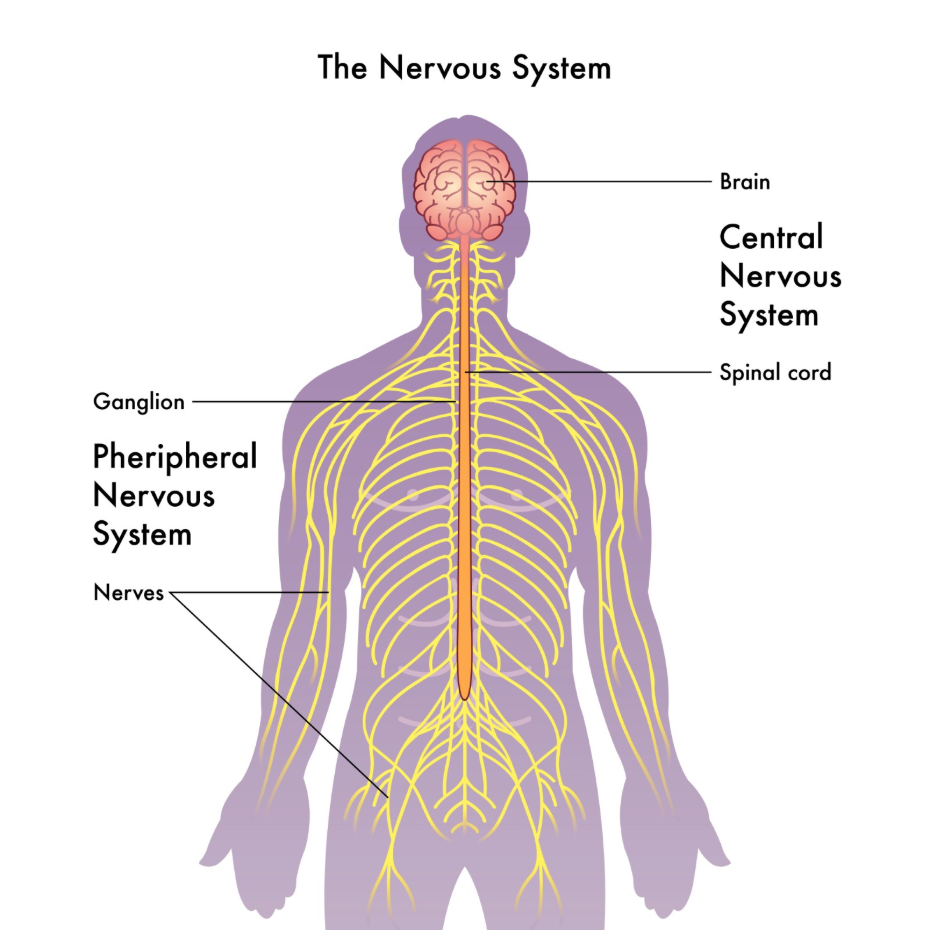
When a foot injury goes unnoticed and untreated, it can easily become infected. Because diabetes also affects the blood flow to the extremities, the body’s ability to heal these wounds is significantly reduced. This can lead to deep sores called ulcers which are very difficult to treat. In the most severe cases where an infection spreads to the bone or causes tissue death, an amputation may be necessary. NICE provides clear clinical guidelines for foot care to help prevent these outcomes. All people with diabetes in the UK should have their feet checked by a professional at least once a year to assess their risk level.
Visual health and the small vessels of the eye
The eyes are highly sensitive to changes in blood sugar because they contain a dense network of very small, fragile blood vessels. Diabetic retinopathy occurs when these blood vessels in the retina, the light sensitive part of the eye, become damaged. The vessels may swell and leak fluid, or they may close off completely, preventing blood from reaching parts of the retina. In response, the eye may grow new, weak blood vessels that bleed easily, leading to blurred vision and eventually permanent sight loss. It is one of the most common causes of blindness in adults of working age in the UK.
Because retinopathy often has no symptoms in the early stages, the NHS offers a diabetic eye screening program for everyone aged twelve and over with diabetes. During this screening, special cameras take photos of the back of the eye to look for early signs of damage. If retinopathy is detected early, it can often be treated with laser therapy or injections to prevent the vision from getting worse. In addition to retinopathy, people with diabetes are also more likely to develop cataracts and glaucoma. Keeping blood sugar levels, blood pressure, and cholesterol under control is the best way to protect your sight.
Conclusion
Diabetes is a complex and systemic condition that impacts the entire body by causing high levels of glucose to circulate in the bloodstream. While it can lead to serious complications such as heart disease, kidney failure, and vision loss, these risks can be significantly managed through consistent medical care and monitoring. Understanding how the condition affects your organs is the first step in taking control of your health. Regular checkups for your eyes, feet, and kidneys are essential for early intervention. If you experience severe, sudden, or worsening symptoms, call 999 immediately.
What is the 4 Ts campaign in the UK?
The 4 Ts stand for Toilet, Thirsty, Tired, and Thinner, which are the primary early warning signs of Type 1 diabetes that require immediate medical attention.
Does Type 2 diabetes always require insulin?
No, many people can manage Type 2 diabetes with lifestyle changes and oral medications, though some may eventually need insulin if the condition progresses.
Can diabetes affect my hearing?
High blood sugar can damage the small blood vessels and nerves in the inner ear, which may lead to hearing loss in some individuals over time.
Why do I need to check my feet every day?
You should check your feet daily because nerve damage might prevent you from feeling a small injury that could turn into a serious infection.
Is diabetes caused by eating too much sugar?
While Type 2 is linked to weight, which can be influenced by sugar intake, Type 1 is an autoimmune condition and is not caused by diet.
How often should I have a blood sugar test?
The NHS usually recommends an HbA1c test at least once or twice a year to measure your average blood sugar levels over the past few months.
What is a diabetic hypo?
A hypo, or hypoglycemia, occurs when blood sugar levels drop too low, which can cause shakiness, sweating, and confusion and requires quick treatment with sugar.
Authority Snapshot
This article provides a medically accurate overview of diabetes and its physiological effects, intended for public education. The content was written and reviewed by Dr. Rebecca Fernandez, a physician with extensive experience in internal medicine and emergency care within the UK health system. All information is based on the latest clinical evidence and remains strictly aligned with the standards set by national health authorities and the National Institute for Health and Care Excellence.



