




Yes, low testosterone is a major contributor to increased body fat and can make losing weight significantly more difficult. Testosterone plays a critical role in metabolic function, fat distribution, and the maintenance of muscle mass. In 2026, clinical research emphasises that the relationship between testosterone and body fat is a bidirectional cycle: low testosterone leads to fat gain, and excess body fat further lowers testosterone levels.
What We Will Cover in This Article
- The role of testosterone in fat metabolism
- Why low T promotes visceral abdominal fat storage
- The bidirectional link between obesity and hormone suppression
- Impact on basal metabolic rate and muscle loss
- The aromatase effect: How fat converts testosterone to oestrogen
- 2026 clinical approaches to breaking the weight gain cycle
Testosterone and Fat Metabolism
Testosterone is a powerful regulator of insulin, glucose, and fat metabolism. It helps the body break down fat cells (lipolysis) and inhibits the storage of new fat (adipogenesis).
When testosterone levels are low, these metabolic processes slow down. The body becomes more efficient at storing fat and less efficient at burning it for energy. This often results in weight gain even when a person has not significantly changed their diet or activity levels.
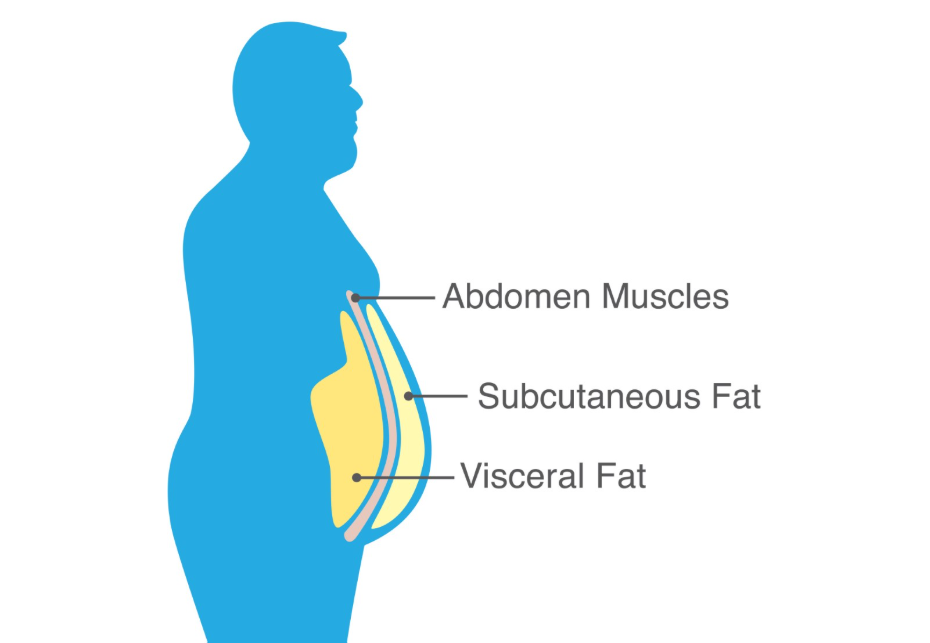
Visceral Fat and the Abdominal Spare Tire
Low testosterone specifically encourages the accumulation of visceral fat, which is the fat stored deep within the abdominal cavity around the internal organs. This is distinct from subcutaneous fat, which sits just under the skin.
The Bidirectional Cycle of Obesity and Low T
One of the most important concepts in modern male health is the feedback loop between fat and hormones.
- Low T leads to fat gain: Without the anabolic support of testosterone, muscle mass decreases and fat mass increases.
- Fat leads to lower T: Fat cells contain an enzyme called aromatase. This enzyme converts circulating testosterone into oestrogen.
- Suppression: Higher oestrogen levels signal the brain to reduce the production of the messenger hormones, such as LH and FSH, that tell the testes to make testosterone.
This creates a self reinforcing cycle where the more fat a man carries, the lower his testosterone becomes, making it harder to find the energy or metabolic capacity to lose the weight.
Impact on Basal Metabolic Rate (BMR)
Muscle tissue is more metabolically active than fat tissue, meaning it burns more calories at rest than fat tissue. Because testosterone is essential for maintaining muscle, a deficiency leads to muscle wasting (sarcopenia).
As muscle mass declines, your Basal Metabolic Rate (BMR) drops. This means your body requires fewer calories to maintain its weight than it did previously. If you continue to eat the same amount of food, you will gain weight because your body’s engine is essentially running on a lower setting. In 2026, we find that many men struggling with weight loss are actually battling this lowered metabolic floor.
Breaking the Cycle: Clinical and Lifestyle Strategies
In 2026, the clinical approach to weight management in hypogonadal men is twofold:
Medical Intervention
For men with a confirmed clinical deficiency, Testosterone Replacement Therapy (TRT) can help restart the metabolic engine. By restoring hormone levels, men often find they can regain muscle mass, which increases their BMR and makes fat loss more achievable through diet and exercise.
Lifestyle and Resistance Training
Exercise, specifically resistance training, is vital. Lifting weights stimulates muscle growth and can provide a modest natural boost to testosterone. Combined with a diet that prioritises protein and manages insulin levels, this is the most effective way to reverse the fat to hormone cycle.
To Summarise
Low testosterone is both a cause and a consequence of increased body fat. It shifts the body’s internal chemistry to favour fat storage over muscle maintenance, making traditional weight loss efforts feel uphill. By understanding the aromatase effect and the impact on metabolic rate, men can work with their clinicians to address the hormonal root cause. Breaking this cycle is essential not just for physical appearance, but for long term cardiovascular and metabolic health.
If you have noticed a significant, unexplained increase in abdominal fat alongside persistent fatigue, seek a morning blood test with your GP to check your testosterone levels.
Why is it so hard to lose weight with low T?
Because your metabolism is suppressed, your muscle mass is lower, and your body is chemically programmed to store fat rather than burn it. You are essentially fighting your own biology.
Can losing weight naturally increase my testosterone?
Yes. For many men, losing a significant amount of body fat reduces the aromatase effect, which can lead to a natural rise in testosterone levels.
Does low T cause ‘man boobs’ (gynaecomastia)?
It can. As fat tissue increases and converts more testosterone into oestrogen, the hormonal balance shifts, which can stimulate the growth of breast tissue.
Will taking testosterone make me lose weight without dieting?
TRT can improve body composition by increasing muscle and decreasing fat, but for significant and healthy weight loss, it must be paired with nutritional changes and exercise.
Is abdominal fat a sign of low testosterone?
While not the only cause, a sudden increase in visceral (belly) fat is one of the most common physical signs of a testosterone deficiency in men.
How long does it take to see weight changes after starting treatment?
Changes in body composition usually begin to appear between 3 and 6 months after hormone levels are stabilised, provided lifestyle factors are also addressed.
Authority Snapshot
This article was written by the MyPatientAdvice clinical team and reviewed by Dr. Stefan Petrov, a UK trained physician with an MBBS and extensive experience in general medicine, surgery, and emergency care. Dr. Petrov has postgraduate certifications including Basic Life Support (BLS), Advanced Cardiac Life Support (ACLS), and the UK Medical Licensing Assessment (PLAB 1 & 2). He is a specialist in medical education and creating patient focused health content. This information follows 2026 clinical protocols for the management of male metabolic and hormonal health.



