




Improving sleep quality during menopause involves a combination of optimising your sleep environment, practicing strict sleep hygiene, and managing the hormonal triggers of night sweats. As oestrogen levels decline, the brain’s ability to regulate temperature and stay in deep sleep phases is often disrupted. Clinical advice focuses on maintaining a cool bedroom, avoiding stimulants like caffeine and alcohol in the evening, and establishing a consistent wind down routine to signal to the brain that it is time for rest.
What We will cover in This Article
- The biological link between declining oestrogen and sleep disruption
- Practical environmental changes to reduce night sweats
- Essential sleep hygiene habits for the menopausal transition
- The role of diet and exercise in supporting restorative sleep
- Medical and therapeutic options including Cognitive Behavioural Therapy
- Identifying when sleep issues require a formal medical assessment
The impact of menopause on sleep patterns
Sleep disruption is one of the most common complaints during the menopause transition, affecting up to 60 percent of women. The drop in oestrogen and progesterone directly impacts the production of melatonin, the hormone responsible for the sleep wake cycle. Additionally, lower oestrogen levels make the brain more sensitive to temperature changes, leading to night sweats that wake you up frequently.
To improve sleep quality during menopause, you should focus on stabilising your core body temperature and regulating your natural circadian rhythm. This is achieved by keeping your bedroom temperature around 18 degrees Celsius, using breathable natural fabrics for bedding, and ensuring your room is completely dark and quiet. Consistent wake and sleep times, even on weekends, help the brain maintain its internal clock despite hormonal fluctuations.
- Temperature regulation: The hypothalamus, the brain’s thermostat, becomes less stable during menopause.
- Progesterone loss: This hormone has a natural sedative effect; its decline makes it harder to fall asleep.
- Sleep architecture: Menopause can reduce the amount of time spent in deep, restorative REM sleep.
Managing night sweats for better rest
Night sweats are the primary physical trigger for waking up during the night. They are essentially hot flushes that occur while you are asleep, often causing the body to overheat and then feel chilled as the sweat evaporates.
Effective management of night sweats involves using moisture wicking fabrics and cooling aids to prevent your body temperature from reaching the threshold that triggers a flush. Choose cotton or bamboo pyjamas and bed sheets, and consider using a cooling gel pad or a fan. Keeping a glass of iced water by the bed and taking a lukewarm shower before sleep can also help lower your core temperature sufficiently to encourage rest.
- Breathable bedding: Avoid synthetic materials like polyester which trap heat against the skin.
- Ventilation: Keep a window slightly open or use an oscillating fan to maintain air circulation.
- Cooling aids: Cooling pillows or mattress toppers can provide a significant reduction in surface heat.
Essential sleep hygiene during menopause
Sleep hygiene refers to the habits and environment that support consistent, uninterrupted rest. Because the menopausal brain is more prone to wakefulness, these rules must be followed more strictly to see results.
A robust sleep hygiene routine includes a 60 minute digital detox before bed, avoiding caffeine after midday, and limiting alcohol consumption, which significantly worsens night sweats and sleep fragmentation. Engaging in a calming activity such as reading or a warm (not hot) bath helps lower cortisol levels. If you cannot fall asleep within 20 minutes, it is advised to leave the bedroom and perform a quiet task in dim light until you feel sleepy again.
- Digital detox: The blue light from screens suppresses melatonin production.
- Consistent routine: Going to bed and waking up at the same time every day trains the brain.
- Daylight exposure: Getting natural sunlight in the morning helps regulate your internal clock.
Causes of secondary sleep disruption
While hormones are the primary cause, other factors associated with menopause can further degrade sleep quality.
Anxiety and racing thoughts
Declining oestrogen can lead to increased levels of anxiety and a ‘racing mind’ at night. This makes the initial transition into sleep very difficult.
Urinary frequency
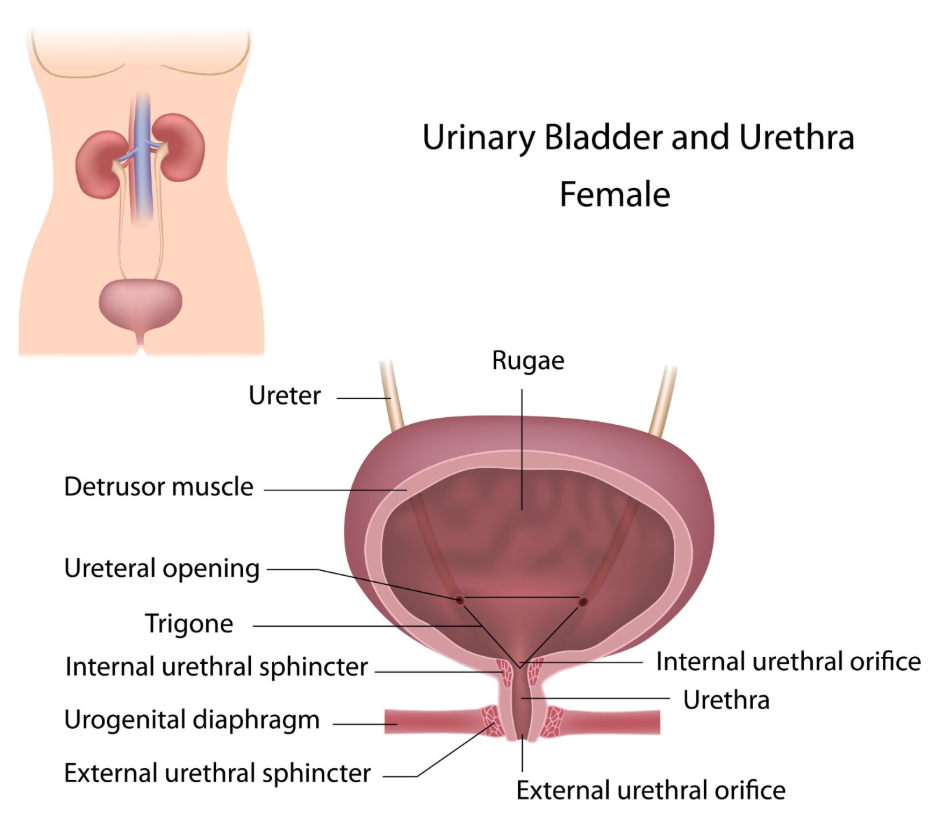
As the bladder lining thins due to low oestrogen, you may feel the need to urinate more frequently during the night, a condition known as nocturia.
Weight changes
Midlife weight gain can increase the risk of sleep apnoea, a condition where breathing stops and starts during sleep, leading to frequent waking and daytime fatigue.
Differentiation: Menopausal Insomnia vs Other Issues
It is important to determine if your sleep problems are purely hormonal or caused by a different medical condition.
| Feature | Menopausal Sleep Issues | Sleep Apnoea | Restless Leg Syndrome |
| Primary Cause | Night sweats and hormone dips. | Airway obstruction during sleep. | Nervous system irritation. |
| Key Sign | Waking up hot and sweaty. | Loud snoring or gasping for air. | Irresistible urge to move legs. |
| Impact | Difficulty staying asleep. | Excessive daytime sleepiness. | Difficulty falling asleep. |
| Associated with | Hot flushes and mood shifts. | Weight gain or neck size. | Low iron levels or caffeine. |
To Summarise
Improving sleep quality during menopause requires a multi faceted approach that addresses both the physical environment and your daily habits. By keeping your bedroom cool, practicing strict sleep hygiene, and managing your intake of stimulants, you can significantly reduce the impact of night sweats and hormonal wakefulness. While these changes take time to show results, consistency is the key to restoring deep, restorative sleep.
If you experience sudden, severe chest pain, shortness of breath, or a sudden loss of consciousness, call 999 immediately. If your sleep issues are causing severe daytime impairment or if you are gasping for air during the night, seek a prompt medical review.
How long does it take for sleep hygiene to work?
It usually takes about two to four weeks of consistent practice for the brain to adjust to a new sleep routine and for you to notice a significant improvement in quality.
Does HRT help with sleep?
Yes, clinical guidelines suggest that HRT is the most effective treatment for night sweats, which in turn improves sleep quality by reducing the number of times you wake up.
Is it okay to use sleep medication?
Over the counter sleep aids should only be used as a very short term solution. For chronic sleep issues, it is better to address the underlying hormonal cause or use Cognitive Behavioural Therapy.
Can exercise improve sleep?
Regular aerobic exercise improves sleep quality, but it should be done earlier in the day. Intense exercise close to bedtime can raise your core temperature and trigger night sweats.
Why do I wake up at 3am every night?
This is a common time for blood sugar to dip and cortisol to rise. In menopause, this natural rhythm is more likely to wake you because your sleep is already lighter.
Will my sleep go back to normal after menopause?
For many women, sleep improves once hormone levels stabilise post menopause, provided they maintain good sleep habits.
Authority Snapshot
This article was written by the MyPatientAdvice clinical team and reviewed by Dr. Stefan Petrov, a UK trained physician with an MBBS and extensive experience in general medicine, surgery, and emergency care. Dr. Petrov has a background in intensive care units and contributes to medical education by creating patient focused health content. This information follows clinical protocols to ensure that readers receive safe and accurate guidance on improving sleep during the menopause transition.



