




Menopause significantly affects pelvic health and bladder control due to the decline of oestrogen, which is essential for maintaining the strength and elasticity of the pelvic tissues. Oestrogen receptors are highly concentrated in the bladder, the urethra (the tube that carries urine out of the body), and the pelvic floor muscles. When hormone levels drop, these tissues become thinner, weaker, and less resilient, a condition clinically known as the Genitourinary Syndrome of Menopause (GSM). This can lead to increased urinary frequency, urgency, and various forms of incontinence.
What We Will Cover in This Article
- The biological impact of oestrogen loss on the bladder and urethra
- Understanding the types of incontinence triggered by menopause
- Why menopause increases the risk of recurrent Urinary Tract Infections (UTIs)
- The role of pelvic floor muscle training (PFMT) in 2026
- Clinical treatments: Systemic HRT versus localised vaginal oestrogen
- Lifestyle adjustments to support long term bladder health
The biological shift: Why oestrogen matters
Oestrogen acts as a support system for the pelvic organs. It ensures that the lining of the urethra remains thick enough to create a seal that prevents leaks. It also maintains the collagen levels in the pelvic floor muscles, which act as a hammock to support the bladder, womb, and bowel.
As oestrogen declines, these tissues undergo atrophy, meaning they become thinner and drier. The bladder lining can become easily irritated, leading to the sensation of needing to go more often, even when the bladder is not full. Furthermore, the supportive structures of the pelvic floor can weaken, which may cause the bladder to shift out of its ideal position, leading to control issues.
- Thinning tissues: Reduces the closing pressure of the urethra.
- Loss of elasticity: The bladder cannot expand as comfortably as it once did.
- Shift in pH: The vaginal and urinary environment becomes less acidic, allowing bad bacteria to thrive.
Types of bladder control issues in menopause
Most women experience one or a combination of the following conditions during the menopause transition.
| Condition | Primary Symptoms | Menopause Connection |
| Stress Incontinence | Leaking when coughing, sneezing, or exercising. | Caused by weakened pelvic floor support and urethral thinning. |
| Urge Incontinence | A sudden, intense need to go, often followed by a leak. | Caused by an overactive bladder due to tissue irritation. |
| Frequency | Needing to urinate more than 7 or 8 times a day. | The bladder becomes sensitive and feels full sooner. |
| Nocturia | Waking up multiple times at night to urinate. | Linked to both bladder changes and poor sleep quality. |
Recurrent UTIs and Menopause
One of the most common and distressing pelvic health issues in post menopause is a sudden increase in Urinary Tract Infections (UTIs). In a healthy premenopausal state, oestrogen helps maintain a population of good bacteria (lactobacilli) that keep the urinary tract acidic and resistant to infection.
When oestrogen is lost, the good bacteria disappear and the pH level rises. This makes it much easier for bacteria like E. coli to colonise the area and travel up the urethra. Many women find that they experience UTI symptoms, such as burning or urgency, even when a urine test shows no infection. This is often just the result of severe tissue thinning and irritation rather than a bacterial issue.
Clinical management and treatments
In 2026, clinical protocols prioritise a combination of physical therapy and targeted hormone replacement to restore pelvic health.
Localised Vaginal Oestrogen
This is often considered the gold standard for treating bladder issues in menopause. Unlike systemic HRT (patches or gels), localised oestrogen is delivered directly to the pelvic tissues via low dose creams, pessaries, or rings. It has a very low absorption rate into the rest of the body, making it safe for long term use for most women. It helps thicken the urethral lining and restores the healthy acidic environment of the bladder.
Pelvic Floor Muscle Training (PFMT)
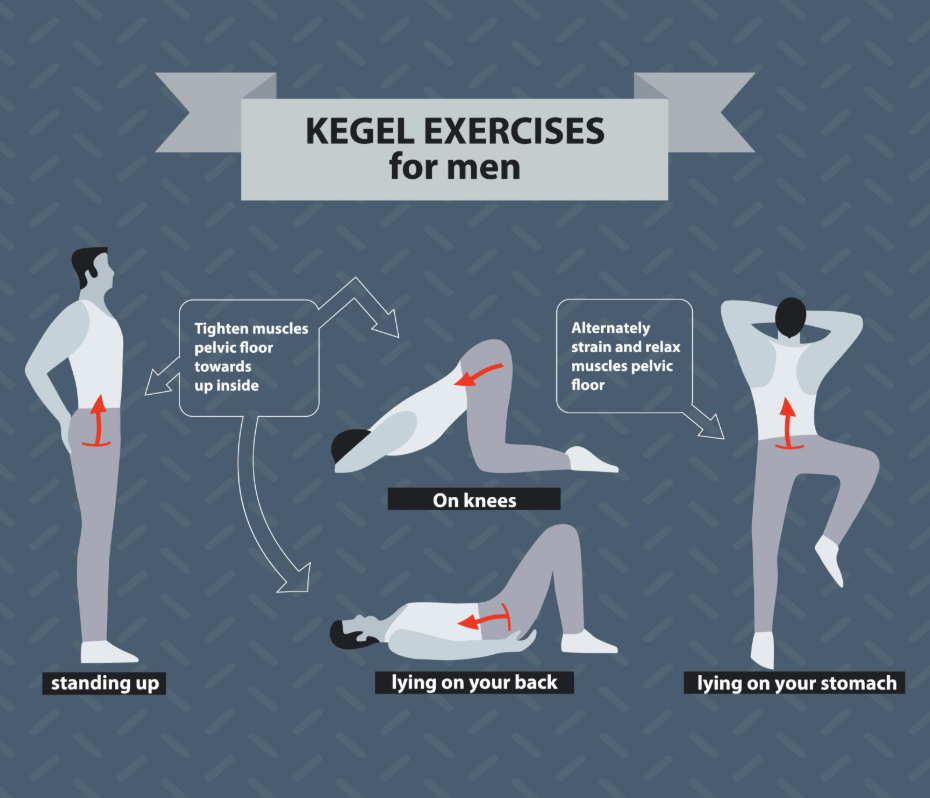
NICE guidelines recommend supervised pelvic floor exercises as a first line treatment for stress and mixed incontinence. Working with a specialist pelvic health physiotherapist can help you ensure you are performing Kegels correctly, as many women accidentally push down rather than lift up, which can worsen symptoms.
New Medical Options
In 2026, medications for overactive bladder (such as mirabegron or solifenacin) may be used alongside oestrogen if urgency remains a significant issue. Additionally, laser therapies and bulking agents for the urethra are available for more severe cases of stress incontinence.
Lifestyle strategies for bladder health
While medical intervention is often necessary, daily habits can significantly reduce the pressure on your bladder.
- Bladder Training: Gradually increasing the time between bathroom visits to re-teach the bladder to hold more urine.
- Hydration Balance: Drinking enough water is vital. Dehydrated urine is highly concentrated and irritates the bladder lining, actually making urgency worse.
- Reducing Irritants: Caffeine, alcohol, and artificial sweeteners are known bladder irritants that can trigger urge symptoms.
- Healthy Weight: Excess weight places constant downward pressure on the pelvic floor muscles, weakening them over time.
To Summarise
Menopause causes significant changes to pelvic health, but bladder control issues should never be accepted as an inevitable part of ageing. The loss of oestrogen is the primary driver of tissue thinning and muscle weakness, but these changes are highly treatable. By combining localised oestrogen therapy with consistent pelvic floor exercises, most women can significantly improve their bladder control and reduce the risk of recurrent infections. Early intervention is key to maintaining a healthy and active lifestyle throughout post menopause.
If you experience blood in your urine, sudden and severe pelvic pain, or a persistent lump sensation in the vagina (which may indicate a prolapse), seek a medical review.
Will systemic HRT patches help my bladder?
They can help, but many women find that systemic HRT is not quite enough to resolve local bladder issues. Adding a low dose vaginal oestrogen is often necessary for complete relief.
How long do I need to do pelvic floor exercises?
For life. Just like any other muscle, if you stop training them, they will lose their strength and support.
Can I use vaginal oestrogen if I have had breast cancer?
This is a complex area. Many oncologists now consider ultra low dose local oestrogen safe for certain types of cancer survivors, but you must have a specialist consultation first.
Does menopause cause pelvic organ prolapse?
It can be a contributing factor. The loss of oestrogen and collagen makes the supportive hammock of the pelvic floor more likely to sag, potentially allowing organs like the bladder to drop.
Why do I leak when I lift heavy things?
This is stress incontinence. The internal pressure on your bladder exceeds the closing power of your weakened pelvic floor and urethra.
Is it normal to have a UTI every few months?
It is common in post menopause but not normal. It is a sign that your local oestrogen levels are too low to maintain a healthy bacterial balance.
Authority Snapshot
This article was written by the MyPatientAdvice clinical team and reviewed by Dr. Stefan Petrov, a UK trained physician with an MBBS and postgraduate certifications including Basic Life Support (BLS), Advanced Cardiac Life Support (ACLS), and the UK Medical Licensing Assessment (PLAB 1 & 2). Dr. Petrov has extensive experience in general medicine, surgery, and emergency care. He has worked in both hospital wards and intensive care units and contributes to medical education. This information follows clinical protocols to ensure accurate guidance for pelvic health management in 2026.



