




Yes, low testosterone is frequently linked to reduced fertility, but the relationship is more complex than it first appears. While testosterone is essential for sperm production, a low blood level of the hormone does not automatically mean a man is infertile. In 2026, clinical practice focuses on the distinction between the testosterone circulating in your blood and the concentration of testosterone inside your testes, which is where the actual work of making sperm happens.
What We Will Cover in This Article
- The role of intratesticular testosterone in sperm maturation
- How hormonal signalling connects testosterone and fertility
- The paradox of testosterone replacement therapy and infertility
- Conditions where low testosterone and infertility coexist
- 2026 strategies for restoring both hormones and fertility
- Differentiating between primary and secondary hormonal failure
The Sperm Production Engine
Testosterone is the primary fuel for spermatogenesis, the process of creating and maturing sperm cells.
For sperm to develop correctly, the concentration of testosterone inside the testes must be roughly 100 times higher than the levels found in the general bloodstream. If the body cannot maintain this high local concentration, sperm production slows down or stops entirely. In 2026, we find that men with very low testosterone often have a lower sperm count or sperm with poor movement, both of which reduce the chances of natural conception.
The Hormonal Master Switch
The brain and the testes work in a feedback loop. Two specific hormones from the pituitary gland control this process:
- Luteinising Hormone (LH): Tells the Leydig cells in the testes to produce testosterone.
- Follicle Stimulating Hormone (FSH): Tells the Sertoli cells to start the production of sperm.
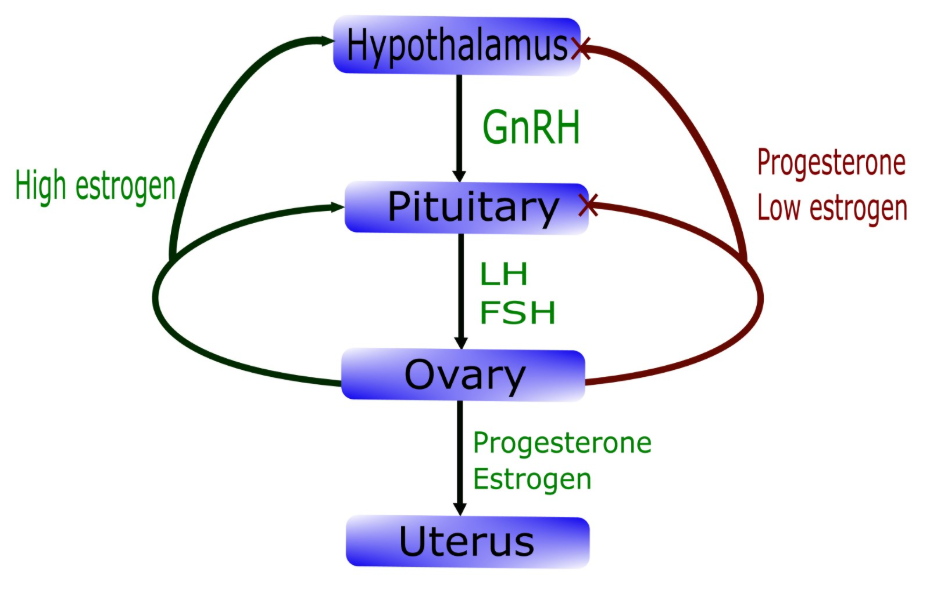
In many cases of male hormone problems, the issue is not just low testosterone, but a failure of this entire signalling system. If the brain stops sending LH and FSH, both testosterone production and fertility will decline simultaneously. This is common in cases of chronic stress, obesity, or the use of certain medications like opioids.
The TRT Paradox: Treatment vs Fertility
One of the most critical warnings we give patients in 2026 is that standard Testosterone Replacement Therapy (TRT) actually causes infertility.
When you take external testosterone through gels, injections, or pellets, your brain detects that hormone levels are high and shuts down its own production of LH and FSH. Without these signals, the natural production of testosterone inside the testes stops, and the sperm production engine is turned off. For this reason, TRT is considered a form of male contraception. If you are a man with low testosterone who wishes to father children, standard TRT is usually not the correct first line of treatment.
Common Causes of Low Testosterone and Infertility
Several conditions can cause both hormone levels and fertility to drop at the same time:
| Condition | Impact on Hormones | Impact on Fertility |
| Varicocele | Can lower production by increasing testicular temperature. | Causes DNA fragmentation and low sperm count. |
| Obesity | Converts testosterone to oestrogen, suppressing signals. | Increases scrotal heat and oxidative stress on sperm. |
| Kallmann Syndrome | Genetic failure of the brain to send any signals. | Complete absence of sperm production without treatment. |
| Mumps Orchitis | Direct inflammatory damage to the testicular tissue. | Potential permanent loss of sperm producing cells. |
2026 Fertility Preservation Strategies
For men who need to boost their testosterone while maintaining or restoring fertility, we use stimulatory therapies instead of direct replacement.
- HCG (Human Chorionic Gonadotropin): This mimics LH and keeps the testes active, maintaining high internal testosterone levels and sperm production.
- Clomiphene Citrate: This oral medication tricks the brain into sending more natural LH and FSH.
- Lifestyle Reset: In functional cases, losing weight and improving sleep can naturally restart the entire hormonal and fertile axis.
To Summarise
Low testosterone is a major contributor to reduced fertility because it starves the sperm production process of its necessary fuel. However, the most important takeaway in 2026 is that the treatment for low testosterone can often make infertility worse if not managed correctly. If fatherhood is a priority, it is essential to focus on therapies that stimulate your body own production rather than replacing it with external hormones.
If you have concerns about both your energy levels and your fertility, your next step should be to request both a morning hormone panel and a formal semen analysis.
Can I get my partner pregnant if I have low testosterone?
Yes, it is possible. As long as some sperm are being produced and can reach the egg, conception can occur. However, the probability is lower than for a man with optimal levels.
If I stop TRT, will my fertility come back?
In most cases, yes, but it can take 3 to 12 months for sperm production to restart. Some men require medical assistance to jump start the process.
Does high oestrogen cause infertility?
Yes. In 2026, we know that excess oestrogen often from body fat suppresses the brain signals needed for both testosterone and sperm production.
Is a low sperm count always caused by low testosterone?
No. You can have perfect testosterone levels but still be infertile due to blockages, genetic issues, or lifestyle factors like smoking and heat exposure.
Does ice bathing help with testosterone and fertility?
Keeping the testes cool is vital for sperm quality. While ice baths are not a medical cure, avoiding chronic heat like hot tubs or tight clothing is a standard recommendation for fertility.
How does age affect this relationship?
As men age, both testosterone and sperm quality naturally decline. After age 45, the time to conception typically increases as the hormonal drive weakens.
Authority Snapshot
This article was written by the MyPatientAdvice clinical team and reviewed by Dr. Stefan Petrov, a UK trained physician with an MBBS and extensive experience in general medicine, surgery, anaesthesia, ophthalmology, and emergency care. Dr. Petrov has postgraduate certifications including Basic Life Support (BLS), Advanced Cardiac Life Support (ACLS), and the UK Medical Licensing Assessment (PLAB 1 and 2). He has worked in both hospital wards and intensive care units, performing diagnostic and therapeutic procedures, and has contributed to medical education by creating patient focused health content and teaching clinical skills to junior doctors.



