




Heavy daily hair shedding is one of the most common reasons for seeking a dermatology consultation in the UK. While everyone loses hair as part of a natural biological cycle, a noticeable increase in loose strands can be a clinical indicator of an underlying issue. Whether this shedding is a cause for concern depends on the duration of the loss, the volume of hair being shed, and whether other symptoms are present on the scalp.
What We’ll Discuss in This Article
- Distinguishing between natural shedding and telogen effluvium
- The biological mechanism behind excessive loose strands
- Common physiological and emotional triggers for sudden shedding
- Identifying when shedding indicates a more chronic condition
- The role of diagnostic tests and the clinical pull test
- When to transition from monitoring at home to seeing a professional
Natural Shedding vs. Excessive Loss
On a healthy scalp, approximately 10 percent of your hair is in the telogen (resting) phase at any given time. It is perfectly normal to lose between 50 and 100 hairs per day as these resting hairs are pushed out by new growth.
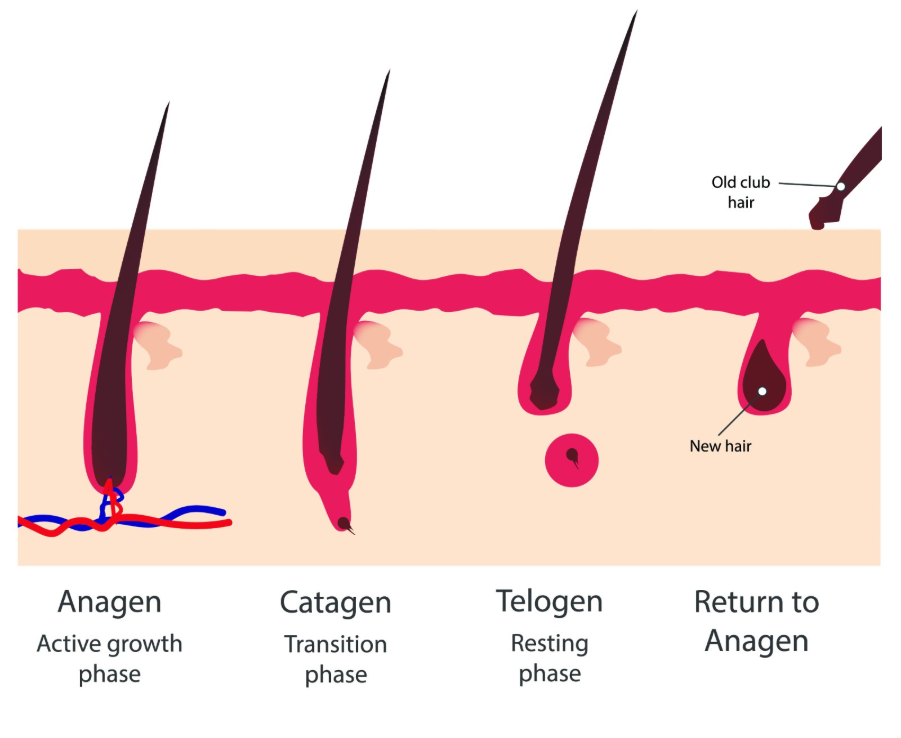
However, if you are consistently losing significantly more than 100 hairs daily, you may be experiencing telogen effluvium. This occurs when a trigger pushes a larger than normal percentage of hair (up to 30 percent) into the resting phase simultaneously. While distressing, this type of shedding is usually a temporary reaction rather than a sign of permanent baldness.
The Mechanism of Loose Strands
When hair sheds excessively, it is usually because the follicles have been “tripped” into the resting phase. Because the hair is no longer actively growing or anchored deep within the follicle, it becomes loose and falls out with very little friction.
In the UK, this is often described as diffuse thinning, meaning the shedding happens all over the scalp rather than in specific patches. The NHS notes that while the volume of hair lost can look significant, the hair follicles themselves remain alive and capable of restarting the growth cycle once the body recovers.
Identifying Potential Triggers
If you notice heavy shedding, it is helpful to look back at the previous two to three months. Because the telogen phase lasts for about 90 days, there is almost always a delay between the trigger and the visible loss. Common UK triggers include:
- Severe Illness or Fever: Including recovery from infections like the flu or COVID-19.
- Significant Emotional Stress: Such as bereavement, divorce, or intense work pressure.
- Nutritional Gaps: Specifically low iron (ferritin), Vitamin D, or rapid weight loss.
- Hormonal Shifts: Such as the period following childbirth or changes in contraception.
When Shedding Becomes a Concern
Most temporary shedding (acute telogen effluvium) should resolve on its own within six months. It becomes a cause for clinical concern if:
- Duration: The heavy shedding continues for longer than six months (chronic telogen effluvium).
- Scalp Visibility: You can see your scalp through your hair more clearly, or your ponytail has significantly reduced in thickness.
- Scalp Symptoms: The shedding is accompanied by itching, burning, redness, or scaling.
- Pattern Changes: The loss is focused on specific areas, such as a widening part or a receding hairline.
If you are unsure, a GP or dermatologist can perform a pull test. By gently tugging on a small group of hairs, they can determine if the shedding is still in an active phase or if it is starting to stabilise.
Taking Action in the UK
If your shedding is heavy and persistent, the recommended pathway in the UK is to visit your GP. They can order a baseline hair loss blood panel to check for the most common reversible causes, such as thyroid dysfunction or iron deficiency.
Correcting an underlying deficiency or managing a health condition is often all that is needed to “switch off” the excessive shedding and allow the hair to regrow. While you wait for your appointment, maintaining a gentle hair care routine and ensuring a protein rich diet can help support your follicles during this sensitive phase.
Conclusion
Heavy daily hair shedding is often a sign of a temporary disruption to the hair growth cycle rather than a permanent loss of hair. While losing 50 to 100 hairs is normal, a consistent increase beyond this usually points to a physiological or emotional trigger from a few months prior. In the UK, most cases of heavy shedding resolve naturally, but persistent loss or the presence of scalp irritation should always be investigated by a medical professional. By monitoring the duration and patterns of your shedding, you can provide your healthcare team with the vital information needed to restore your hair health. If you experience severe, sudden, or worsening symptoms, call 999 immediately.
How do I know if I am losing more than 100 hairs?
You do not need to count every hair. If you notice a “carpet” of hair on the floor, or if your drain is clogging much faster than usual, it is a sign of excessive shedding.
Can stress really cause hair to fall out in clumps?
Yes, intense stress can trigger telogen effluvium, causing a significant number of hairs to shed at once. However, it rarely causes total baldness.
Will my hair grow back after a period of heavy shedding?
In cases of telogen effluvium, the hair almost always grows back fully once the trigger is removed and the body recovers.
Does washing my hair make it fall out more?
No, washing only removes hairs that have already detached from the follicle and were “waiting” to fall out. Stopping washing will not save the hair.
Should I take biotin for heavy shedding?
Biotin only helps if you have a rare deficiency. It is much more effective to check your iron and Vitamin D levels with a GP.
What is the “white bulb” at the end of the hair?
A small white bulb at the end of a loose strand simply means the hair was in the telogen (resting) phase. This is a normal sign of shedding and not a cause for panic.
Can a change in seasons cause heavy shedding?
Some people in the UK notice slightly more shedding in the late autumn, which is thought to be an evolutionary holdover, but this should be minor and temporary.
Authority Snapshot (E-E-A-T)
This article examines the clinical implications of daily hair shedding and is intended for informational and educational purposes. The content has been reviewed by Dr. Stefan Petrov, a UK trained physician, to ensure accuracy and safety. All clinical descriptions and diagnostic standards are aligned with the guidelines maintained by the NHS and the British Association of Dermatologists.



