




While ultraviolet radiation is the primary and most significant driver of mole evolution, there is growing clinical interest in how systemic factors such as stress and illness might influence the skin. The relationship between the mind, the immune system, and skin health is complex, and while stress does not directly cause moles to become cancerous, it can alter the body’s internal environment in ways that affect existing skin marks. Understanding these biological connections helps to distinguish between temporary reactions and genuine, concerning changes that require medical investigation.
What We’ll Discuss in This Article
- The biological link between the immune system and mole stability
- How physiological stress can impact skin cell regulation
- The primary role of ultraviolet radiation in DNA damage
- Distinguishing between stress-related irritation and mole evolution
- Identifying the signs of an unstable mole during periods of illness
- When a changing mole requires a clinical assessment by a doctor
The biological link between the immune system and mole stability
The immune system plays a fundamental role in monitoring the melanocytes, the pigment-producing cells, within your moles to ensure they remain stable. When you are healthy, your immune cells identify and manage any minor irregularities that might occur in your skin. However, significant illness or long-term chronic stress can cause the immune system to become less efficient at this surveillance. The National Health Service explains that a weakened or distracted immune system may be less able to regulate the growth of atypical cells, which can sometimes lead to visible changes in the appearance of moles. While this does not mean that every illness will affect your moles, it highlights that your internal health can influence how your skin behaves.
How physiological stress can impact skin cell regulation
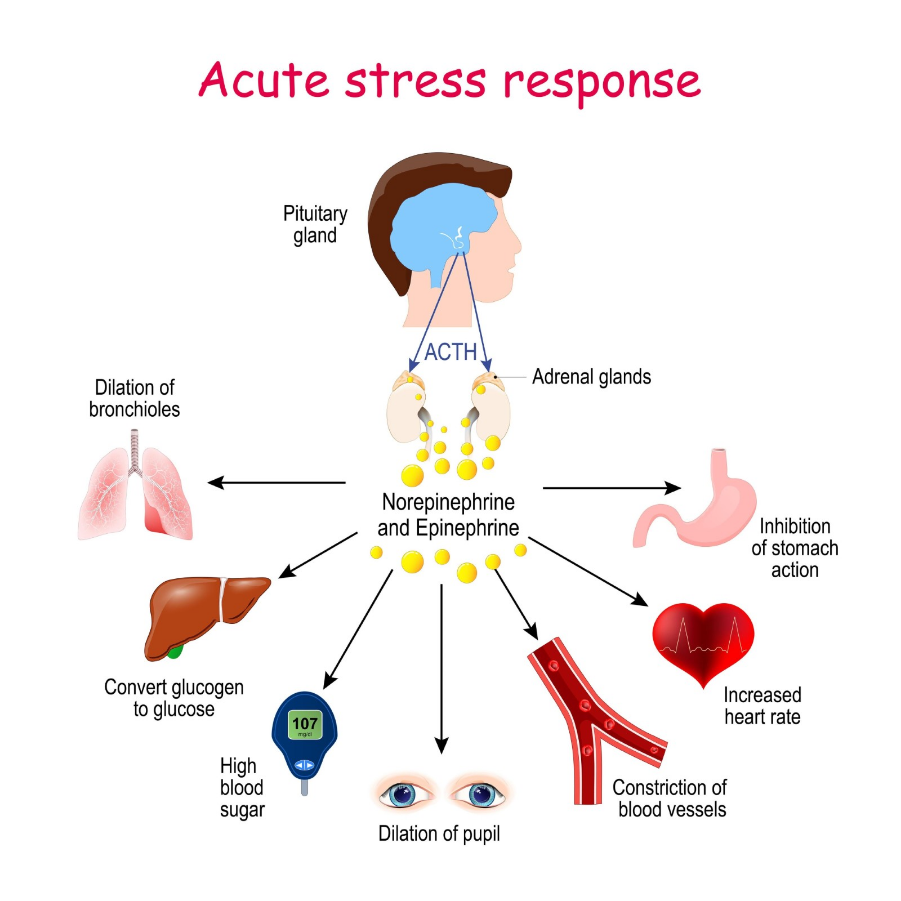
When the body is under significant stress, it releases hormones such as cortisol and adrenaline, which can have various effects on skin physiology. Chronic high levels of cortisol are known to suppress certain immune functions and can lead to increased inflammation throughout the body. While there is no direct evidence that stress causes a healthy mole to transform into a serious condition, it can sometimes trigger localized inflammation or itching in and around a mole. This phenomenon is often more about the skin’s general sensitivity than a change in the mole itself. However, because stress can make it harder for the body to repair DNA damage, it can indirectly exacerbate the effects of other environmental factors such as sun exposure.
The primary role of ultraviolet radiation in DNA damage
Despite the potential influence of stress or illness, ultraviolet radiation remains the overwhelming cause of mole damage and evolution. Ultraviolet rays from the sun or sunbeds directly penetrate the nuclei of skin cells and cause specific mutations in the DNA. These mutations are the primary trigger for a mole to change its shape, colour, or size. Clinical guidelines in the United Kingdom emphasize that protecting the skin from ultraviolet radiation is the most effective way to prevent moles from evolving into a more serious health concern. While stress might influence the body’s ability to handle this damage, the radiation itself provides the initial spark for the change. Therefore, even during periods of high stress, maintaining your sun safety routine is your best defence.
Distinguishing between stress-related irritation and mole evolution
It is important to differentiate between temporary skin irritation that might be triggered by stress and the more permanent structural changes associated with mole evolution. Stress can sometimes lead to conditions like eczema or hives, which may cause a mole to feel itchy or appear slightly red around the edges. These symptoms often resolve once the period of stress passes or with the use of mild topical treatments. In contrast, genuine mole evolution, following the ABCDE rule, involves changes to the mole’s internal architecture that do not go away. If a mole becomes asymmetrical, develops multiple colours, or grows significantly larger, these are biological shifts that occur independently of your stress levels and require professional review.
Identifying the signs of an unstable mole during illness
Certain types of illness, particularly those that involve the immune system or high fevers, can occasionally cause moles to look different. For example, some people notice that their moles appear darker or more prominent when they are very unwell, which may be due to changes in blood flow to the skin or localized inflammation. However, any mole that continues to change after you have recovered from an illness should be viewed with caution. Stability is the hallmark of a healthy mole, so any mark that continues to evolve or fails to return to its baseline appearance warrants a check. Maintaining a photographic record of your moles can be particularly helpful during these times to see if a change is truly permanent.
When a changing mole requires a clinical assessment
Regardless of whether you believe a change was triggered by stress, illness, or sun exposure, any evolving mole should be assessed by a professional. A General Practitioner or a dermatologist can use a dermatoscope to look deep into the layers of the skin and determine if the change is a benign reaction or something more concerning. In the United Kingdom, doctors are trained to look for specific patterns of pigment and vascularity that indicate whether a mole is stable. By seeking an early review, you can receive the reassurance or the medical intervention you need, ensuring that your skin health is managed correctly regardless of the external or internal pressures you may be facing.
Conclusion
While ultraviolet radiation is the main cause of mole damage, physiological stress and illness can occasionally influence skin stability by affecting the immune system. It is important to distinguish between temporary irritation and the permanent structural changes that define mole evolution. Maintaining consistent sun protection and performing regular self-examinations remains the best way to manage your skin health. If you experience severe, sudden, or worsening symptoms, call 999 immediately.
Can a mole disappear if my stress levels go down?
No, a mole is a permanent cluster of cells; while temporary irritation or redness may fade as stress decreases, the mole itself will remain.
Does a high fever make moles darker?
Fever and illness can increase blood flow to the skin and cause temporary changes in the appearance of moles, but these should return to normal as you recover.
Should I be more careful in the sun if I am stressed?
Yes, because stress can dampen your immune system’s ability to repair DNA damage, being extra vigilant with sun protection is a sensible precaution.
Can stress cause a new mole to appear suddenly?
Most new moles appear due to genetics or sun exposure; while stress affects the skin in many ways, it is not a recognised cause for new mole formation.
Is itching in a mole always a bad sign?
Itching can be caused by dry skin or stress-related irritation, but if the mole itself is also changing in appearance, it should be reviewed by a doctor.
Why does my skin feel more sensitive when I am ill?
Illness often triggers a systemic inflammatory response which can make your skin, including areas around moles, feel more tender or reactive.
Can I have a mole check if I am currently unwell?
It is usually best to wait until you have recovered from a temporary illness, so your skin is at its normal baseline, unless the mole change is rapid and concerning.
Authority Snapshot (E-E-A-T)
This article is designed to provide clear and factual information regarding skin health for the general public. The content is written by the Medical Content Team and has been reviewed by Dr. Stefan Petrov. He is a UK-trained physician with an MBBS and postgraduate certifications including Basic Life Support (BLS), Advanced Cardiac Life Support (ACLS), and the UK Medical Licensing Assessment (PLAB 1 & 2). He has hands-on experience in general medicine, surgery, anaesthesia, ophthalmology, and emergency care. Dr. Petrov has worked in both hospital wards and intensive care units, performing diagnostic and therapeutic procedures, and has contributed to medical education by creating patient-focused health content and teaching clinical skills to junior doctors.



