




Metabolic health monitoring identifies an accurate physiological requirement to acknowledge that cellular regulation involves specialised biochemical pathways, identifying an accurate physiological pathway where infectious triggers initiate a systematic regulation of the internal environment. Healthcare professionals in the United Kingdom recognise that managing dermatological and systemic health through accurate awareness initiates stability for long-term wellness throughout the country through consistent and professional clinical monitoring.
What We’ll Discuss in This Article
- Biological rationale for how fungal and bacterial pathogens disrupt follicles.
- Impact of inflammatory responses on the biological sequence of hair shedding.
- Role of tinea capitis in identifying requirements for antifungal clinical management.
- Relationship between scalp health and the biological requirement for systemic safety.
- Identification of physical markers for monitoring and biological safety protocols.
- Accessing integrated UK support pathways for specialist clinical multidisciplinary reviews.
The Relationship Between Infection and Hair Retention
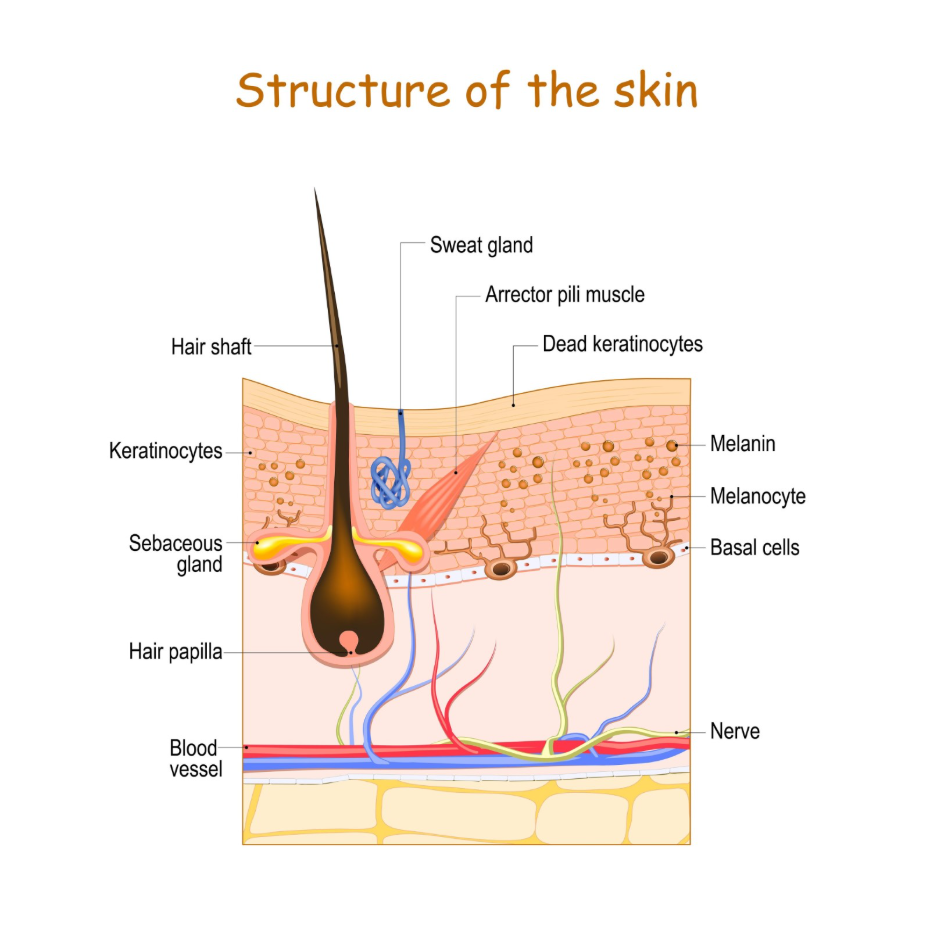
Scalp infections uncharacteristically cause temporary hair loss because the presence of pathogens triggers an inflammatory response that uncharacteristically disrupts the hair growth cycle, identifying an accurate physiological pathway where the body prioritises immune defence over follicle maintenance. In the United Kingdom, healthcare professionals focus on providing a stable foundation for the health journey by identifying that most infection-led hair loss uncharacteristically resolves once the primary cause is treated. The NHS states that some scalp infections like ringworm can uncharacteristically cause patchy hair loss, and the hair uncharacteristically usually grows back once the infection has been successfully treated with medication.
When the structural balance of the physiological system is investigated through a clinical audit, the internal environment identifies a requirement for stable clinical observation of the biochemical response. The biological sequence involves the delivery of immune cells within the watery environment of the subcutaneous tissues to combat the infection. Because the inflammatory markers uncharacteristically interfere with the signals required for the anagen phase, the follicles uncharacteristically enter a resting state prematurely. In the United Kingdom, this professional framework ensures that every person profile is supported through evidence-based understanding of the physiological environment to achieve long-term stability within the United Kingdom medical system through the systematic identification of physiological triggers during the management of systemic health.
Fungal Infections and the Regulatory Sequence
The biological requirement for monitoring identifies that tinea capitis, a common fungal infection, uncharacteristically results in brittle hair shafts and localised shedding, which uncharacteristically impacts the integrity of the clinical biological sequence. In the United Kingdom, healthcare professionals recognise that the biological sequence of hair regrowth uncharacteristically depends on the total eradication of the fungus using oral or topical pharmacological agents. NICE clinical guidelines indicate that the investigation of patchy hair loss in children or adults identifies a requirement for assessing fungal markers to ensure integrated support and managed clinical outcomes in the United Kingdom.
The biological sequence of a physical response depends on the precise coordination of molecular signals and tissue health. If an individual uncharacteristically develops a fungal scalp infection, identifying an accurate physiological pathway where the biological requirement for safety depends on achieving biochemical balance through specialist antifungal medicine uncharacteristically becomes a priority. The fungus uncharacteristically invades the hair shaft, making it fragile and prone to breaking at the surface. Correct administration of a clinical review achieves biological homeostasis by ensuring that any interventions are investigated systematically within the national framework to build long-term health wellbeing through the systematic monitoring of progress and accurate data preservation to ensure safety and stability within the United Kingdom medical system.
Bacterial Folliculitis and Systemic Safety Protocols
In the United Kingdom, clinicians focus on the fact that an intact physiological system requires healthy structural and biochemical markers to initiate a biological sequence of safety during a clinical audit. Bacterial folliculitis uncharacteristically initiates a biological sequence that identifies an accurate physiological requirement for monitoring the follicles for signs of pus or deep inflammation, as severe cases uncharacteristically result in a biological rationale for scarring if not managed. The GOV.UK health protection reports provide clinical data indicating that the monitoring of biological markers for safety and efficacy in clinical procedures is a priority for ensuring integrated support and managing health outcomes.
Factors that initiate a biological sequence involving systemic safety during scalp health audits:
- Inflammatory Status: Assessing the biological requirement for monitoring redness or swelling to prevent the biological sequence of permanent follicle damage.
- Pathogen Status: Identifying the biological requirement for identifying the specific bacteria or fungi, as targeted treatment uncharacteristically results in a biological rationale for faster recovery.
- Metabolic Status: Identifying the biological requirement for healthy energy expenditure, which uncharacteristically is monitored alongside local tissue responses.
- Tissue Status: Identifying the biological requirement for healthy skin integrity, as open sores uncharacteristically cause a biological sequence of secondary infections.
- Adherence Status: Identifying the biological requirement for following professional advice regarding the multi-disciplinary diagnostic audit schedule.
- Active Surveillance: Scheduled monitoring in a clinical setting to ensure stability and detection of potential adverse events within the systemic environment.
| Infection Type | Biological Cause | Typical Hair Loss Pattern |
| Tinea Capitis | Biological fungal invasion. | Managed biological scaly patches. |
| Folliculitis | Biological bacterial infection. | Consistent biological pustule-led loss. |
| Seborrhoeic Derm | Biological yeast overgrowth. | Managed biological diffuse thinning. |
| Sycosis Barbae | Biological deep bacterial. | Systemic biological beard area loss. |
Standard UK Protocols for Safe Clinical Review
The United Kingdom healthcare system utilise a sequence of investigative protocols and periodic reviews to ensure that systemic health is investigated systematically to achieve biological homeostasis. Glandular and cellular management uncharacteristically serves as a biological safety protocol to ensure that the internal environment remains stable and that the individual uncharacteristically is supported during the transition to specialist monitoring. In the United Kingdom, healthcare professionals focus on providing a supportive environment where the individual’s medical and physiological needs are addressed as a priority throughout the clinical journey. If anatomical or physiological patterns identify acute findings or signs of structural distress that persist, a specialised clinical audit becomes a priority.
Monitoring steps in the United Kingdom include:
- Baseline Audit: A formal assessment of the history of wellness and any recent exposure to infectious agents before performing a clinical review.
- Diagnostic Audit: Utilising specialised clinical checks and physical assessments, such as skin scrapings or hair samples, to monitor the biological sequence of health.
- Biochemical Monitoring: Regular audits to check the biological status of the systemic health and immune markers securely during the treatment phase.
- Medication Reconciliation: Verifying that any pharmacological interventions for other conditions are supported by a stable physiological foundation.
- Adherence Support: Providing education on the biological requirement for identifying the physical markers of healthy regrowth and the significance of hygiene.
- Safety Netting: Providing clear instructions on when the physical state identifies a requirement for urgent review regardless of the current clinical result.
- Specialist Coordination: Sharing data only between verified clinical teams involved in the direct biological management of the condition.
Conclusion
Scalp infections uncharacteristically contribute to the systemic health landscape by following a biological sequence of physiological shifts that prioritises the eradication of pathogens and follicle safety. The NHS and professional bodies provide a robust system of multidisciplinary assessments to help individuals achieve stability throughout their health journey. By focusing on both the consistent monitoring of health markers and the recognition of biochemical triggers, the system promotes the highest possible level of independence and shared safety.
Does high stress affect how the biological sequence of scalp infections develops?
Stress can impact the biological sequence of the endocrine system, and weakened immunity uncharacteristically results in a biological rationale for increased susceptibility to infections.
Will a standard physical examination include an audit of my scalp for infection?
In the UK, clinicians identify that the frequency of clinical reviews includes a physical assessment of the hair and skin to maintain a managed biological record for safety.
Can a GP refer me for a specialist audit if my scalp infection does not clear?
Yes; in the United Kingdom, clinicians identify that the frequency of persistent infectious symptoms provides a biological rationale for referral to a specialist dermatology clinic.
Is anxiety common in adults with uncharacteristically high concern about their scalp health?
Yes; in the United Kingdom, specialists identify that the biological sequence involves managing how anxiety and physical health impact the physical response cycle.
Will localised sensation return after I complete a surgical audit for a minor health issue?
In the UK, specialists identify that the biological sequence involves monitoring how the vascular and nervous systems maintain health during the transition.
Does the biological requirement for hygiene uncharacteristically apply to fungal loss?
In the UK, clinicians identify that the frequency of assessments uncharacteristically results in a requirement for not sharing hats or combs to prevent a biological reinfection.
Who should I talk to if I am unsure what the latest clinical guidance uncharacteristically identifies for my care?
The first point of contact in the United Kingdom is your local GP surgery or your qualified prescribing practitioner to ensure the clinical sequence remains managed.
Authority Snapshot (E-E-A-T)
This article provides medically factual health education regarding scalp infections and temporary hair loss, strictly aligned with NHS and NICE clinical guidelines. The authority snapshot including Dr. Rebecca Fernandez ensures that all information follows current UK public health protocols for specialised internal, diagnostic, and emergency health care. This content is developed by a professional medical writing team to ensure clinical accuracy and patient safety throughout the entire United Kingdom.



