




The early stages of tooth decay often occur without significant pain, making it important to recognize subtle changes in the appearance and sensation of the teeth. Tooth decay is a gradual process of mineral loss from the enamel caused by acids produced by oral bacteria. When identified early, this process can often be halted or even reversed before it leads to a permanent cavity that requires a filling.
What We’ll Discuss in This Article
- The appearance of white spots as a sign of initial demineralisation.
- Changes in tooth sensitivity to temperature and sugary foods.
- Visible discolouration and dark spots on the biting surfaces.
- The sensation of rough or “sticky” areas on the enamel.
- Mild discomfort or twinges when biting down.
- The role of regular self-examination in early detection.
The Appearance of White Spots on the Enamel
One of the earliest clinical signs of tooth decay is the appearance of chalky white spots on the surface of the teeth. These spots indicate areas where the enamel has begun to lose minerals due to acid attacks from plaque bacteria. At this stage, the surface of the tooth remains intact, but the structure beneath is becoming porous and weakened.
If these white spots are noticed early, the decay is often reversible through improved oral hygiene and the application of fluoride. Early tooth decay may not cause any pain, but you might notice white, brown, or black spots on your tooth. However, if the mineral loss continues, the white spot will eventually break down, leading to the formation of a physical hole or cavity in the tooth.
Increased Sensitivity to Temperature and Sugar
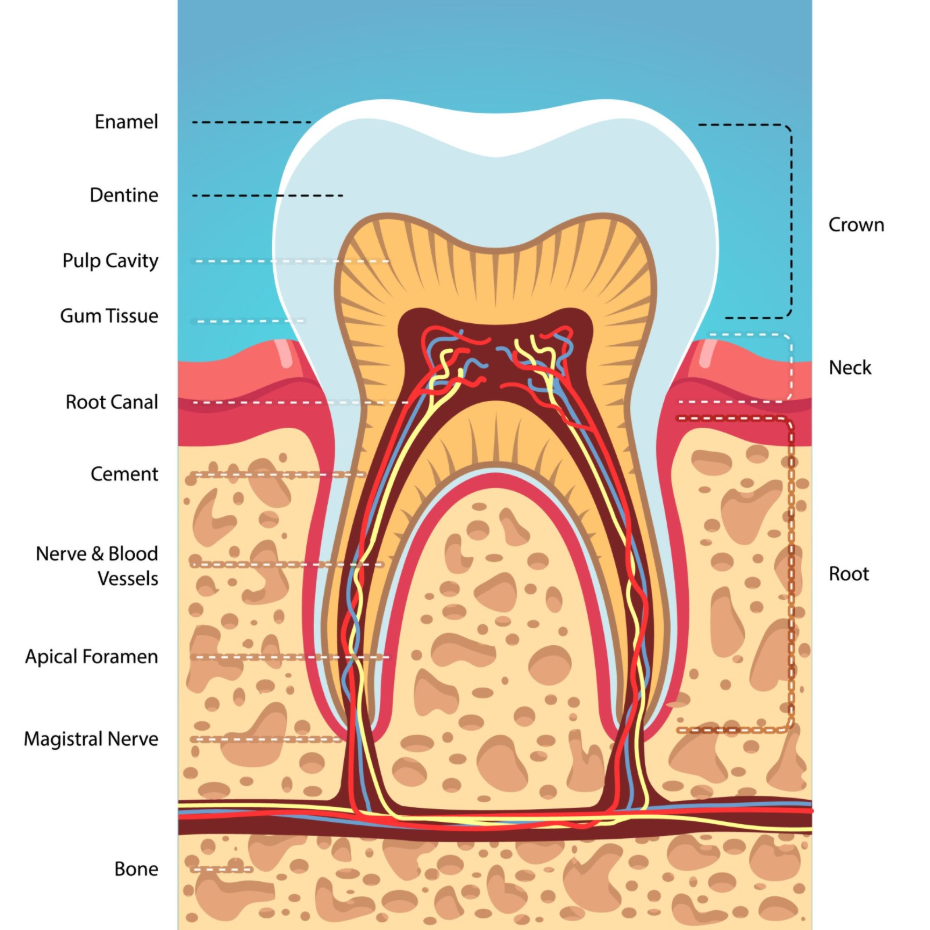
As the enamel thins due to decay, the underlying dentine becomes more exposed, which can lead to increased tooth sensitivity. Dentine contains microscopic tubules that lead directly to the nerve of the tooth; when these are exposed, external stimuli can trigger a sharp, brief sensation. This is most noticed when consuming very cold drinks, hot foods, or highly sugary snacks.
Getty Images
Explore
While sensitivity can be caused by other factors, such as gum recession or aggressive brushing, sensitivity that is localised to a single tooth is a strong indicator of early decay. The discomfort usually dissipates quickly once the stimulus is removed, but it serves as a warning that the protective barrier of the enamel has been compromised.
Visible Discolouration and Surface Changes
Beyond white spots, early decay may also manifest as light brown or greyish discolouration, particularly in the pits and fissures of the molars. These areas are prone to trapping plaque and food debris, making them the most common sites for cavities to develop. As the decay progresses into the dentine, the discolouration often becomes more pronounced and darker in colour.
In addition to colour changes, the texture of the tooth surface may feel different. A person might notice that their tongue or dental floss “catches” on a specific area of a tooth that previously felt smooth. These physical changes indicate that the enamel has lost its structural integrity and is becoming pitted or rough.
Persistent Bad Breath or an Unpleasant Taste
While bad breath (halitosis) is often related to gum health or tongue bacteria, persistent localised bad breath can be a symptom of a developing cavity. When food particles and bacteria become trapped in a small hole in the tooth, they can be difficult to remove through normal brushing. The metabolic activity of these trapped bacteria can produce an unpleasant taste or odour.
If a specific area of the mouth consistently tastes sour or unpleasant despite thorough cleaning, it may indicate that decay is present. This is particularly common when decay occurs between two teeth, where it is hidden from direct view but can still harbour significant bacterial activity.
Comparison of Early vs. Advanced Decay Symptoms
The following table highlights the difference between the early warning signs that can be managed conservatively and the more severe symptoms that indicate advanced decay.
| Feature | Early Decay Signs | Advanced Decay Symptoms |
| Pain Level | None or mild sensitivity | Persistent throbbing or sharp pain |
| Visual Signs | White spots or faint staining | Visible holes or dark brown/black spots |
| Sensation | Brief reaction to cold/sugar | Pain when biting or spontaneous pain |
| Oral Health | Often reversible with fluoride | Requires filling, crown, or root canal |
| Swelling | None | Potential swelling in the gums or face |
The Importance of Professional Assessment
Because many early symptoms of decay are difficult to see or feel, regular dental examinations are essential for early diagnosis. Dentists use specialised tools and, in some cases, X-rays to detect decay in areas that are not visible to the naked eye, such as between the teeth or under existing fillings. Regular dental check-ups are important because a dentist can spot tooth decay in its early stages before it starts to cause pain.
Early detection allows for minimally invasive treatments, such as fluoride varnishes or fissure sealants, which can protect the tooth without the need for drilling. Once a cavity has fully formed and broken through the enamel, the damage is permanent and will require a restorative procedure to prevent the infection from reaching the tooth’s nerve.
Conclusion
Noticing the early signs of tooth decay, such as white spots or localised sensitivity, is crucial for preserving natural tooth structure. Many of these symptoms are subtle and can be easily overlooked without careful self-examination and regular professional check-ups. By identifying these changes early, it is possible to implement preventive measures that stop the decay from progressing into a painful and more serious condition.
If you experience severe, sudden, or worsening symptoms, call 999 immediately.
Can white spots on my teeth go away?
Early white spots caused by demineralisation can often be “remineralised” and disappear if oral hygiene is improved and fluoride is used consistently.
Does a brown spot always mean I have a cavity?
Not necessarily; brown spots can be superficial stains from food or drink, but they should always be checked by a dentist to rule out decay.
Why does my tooth only hurt when I eat something sweet?
Sugar reacts with bacteria to produce acid, and if your enamel is thin or damaged, the acid and the sugar can irritate the nerves in the dentine.
Is sensitivity to cold always a sign of decay?
No, sensitivity can also be caused by receding gums or worn enamel, but localised sensitivity is a common early indicator of a cavity.
How can I tell if a hole is forming between my teeth?
It is difficult to see, but you might notice your floss fraying in that specific area or persistent food traps between those teeth.
Are children’s early symptoms different from adults?
The symptoms are similar, but children’s enamel is thinner, meaning decay can progress to a cavity more quickly than in adults.
Can I stop a cavity from getting worse at home?
You can slow the progression by reducing sugar and using fluoride, but once a physical hole has formed, it requires professional treatment.
Authority Snapshot (E-E-A-T)
This article provides medically safe UK patient education strictly aligned with NHS and NICE standards. The content is reviewed by Dr. Stefan Petrov, a UK-trained physician with an MBBS and postgraduate certifications including Basic Life Support (BLS), Advanced Cardiac Life Support (ACLS), and the UK Medical Licensing Assessment (PLAB 1 & 2). Dr. Petrov has hands-on experience in general medicine, surgery, anaesthesia, ophthalmology, and emergency care, and has contributed to medical education by creating patient-focused health content.



