




Early gum disease, clinically known as gingivitis, is a condition where the soft tissues surrounding the teeth become inflamed due to the presence of dental plaque. Unlike more advanced forms of the disease, this initial stage is primarily a superficial reaction that has not yet resulted in permanent structural damage to the jawbone or ligaments. When the underlying bacterial cause is identified and removed through consistent home hygiene and professional support, the body is capable of fully resolving the inflammation and restoring the gums to a healthy state.
What We’ll Discuss in This Article
- The clinical definition of gingivitis and its reversible nature.
- The difference between gingivitis and advanced periodontitis.
- The role of dental plaque in triggering the inflammatory response.
- Essential daily habits required to disrupt bacterial biofilms.
- The importance of professional mechanical plaque removal.
- Timeline and expectations for gum tissue recovery.
The Reversibility of Gingivitis
Early gum disease can be completely reversed because the inflammation is limited to the gingival tissues and has not yet affected the underlying bone. Gingivitis is the only stage of gum disease that can be completely reversed with effective plaque removal and professional dental cleaning. Once the irritating plaque and tartar are removed, the blood flow to the gums returns to normal, the swelling subsides, and the tissues reattach firmly to the teeth.
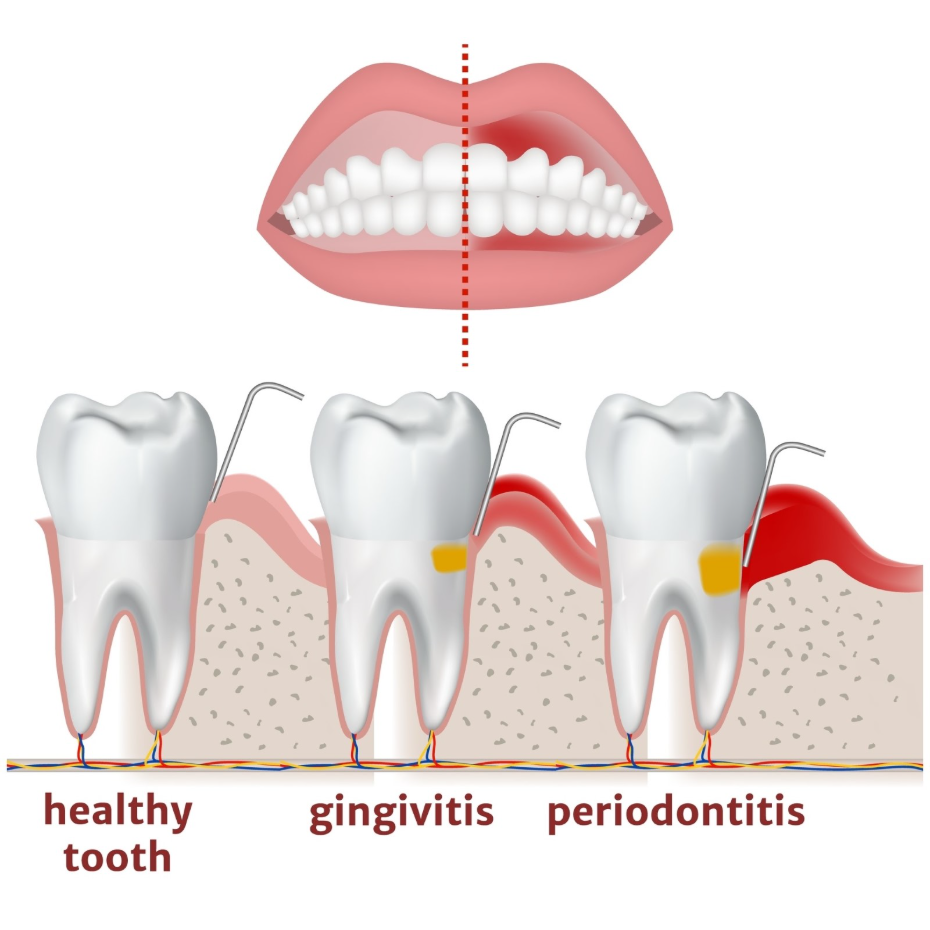
The key to reversal is consistency. If the bacteria are allowed to return and mature, the inflammation will recur. Maintaining a state of “oral stability” requires a permanent change in hygiene habits to ensure that the bacterial load remains below the threshold that triggers an immune response. For most individuals, the transition from inflamed to healthy gums can occur within a matter of weeks if a meticulous routine is established.
Distinguishing Gingivitis from Periodontitis
It is essential to understand that while gingivitis is reversible, the more advanced stage known as periodontitis is not. In periodontitis, the chronic infection has begun to destroy the alveolar bone and the periodontal ligaments that hold the teeth in place. While periodontitis can be managed and “stabilised” to prevent further loss, the bone that has already been destroyed will not naturally grow back.
This is why early intervention is so critical. If the symptoms of bleeding and redness are ignored, the pockets between the teeth and gums will deepen, creating a sheltered environment for anaerobic bacteria. At this point, home care alone is no longer sufficient to reach the infection, and the condition moves from a reversible inflammatory state to a chronic, irreversible disease that requires lifelong specialist management.
The Role of Professional Dental Hygiene
A professional cleaning, often called a “scale and polish,” is a necessary component of reversing early gum disease because it removes hardened tartar. Even with perfect brushing, plaque that is not removed within 24 to 48 hours can mineralise into tartar (calculus). Tartar has a rough surface that attracts more plaque and cannot be removed with a manual or electric toothbrush at home.
The National Institute for Health and Care Excellence recommends that patients with gingivitis receive personalised oral hygiene instruction to help resolve inflammation and prevent further damage. During a hygiene appointment, the professional uses specialised instruments to scrape away tartar from both above and below the gum line. This thorough cleaning provides a “blank slate,” allowing the gums to heal and giving the patient the best possible start for their improved home care routine.
Essential Daily Habits for Gum Recovery
Successful reversal of early gum disease depends on the mechanical disruption of plaque through twice-daily brushing and daily interdental cleaning. Brushing for at least two minutes using a fluoride toothpaste ensures that the plaque on the visible surfaces of the teeth is removed. However, because gum disease often starts in the hidden spaces between the teeth, the use of interdental brushes or floss is non-negotiable for recovery.
Interdental brushes are often more effective than floss for most adults because the bristles can reach into the concave surfaces of the teeth. It is common to experience some bleeding when first starting a more rigorous cleaning routine; this is a sign of active inflammation and should not be a reason to stop. Within one to two weeks of consistent daily cleaning, the bleeding should significantly reduce and eventually stop altogether as the gums become healthier.
Comparison of Gum Disease Stages
The following table compares the reversible and irreversible stages of gum disease to highlight the importance of early treatment.
| Feature | Gingivitis (Early Stage) | Periodontitis (Advanced Stage) |
| Reversibility | Fully reversible | Irreversible but manageable |
| Bone Loss | None | Permanent destruction of bone |
| Pockets | Shallow or absent | Deep pockets (>4mm) |
| Primary Symptoms | Bleeding and redness | Loose teeth and gum recession |
| Typical Treatment | Improved hygiene and scaling | Deep scaling and potential surgery |
| Long-term Outlook | Restoration of full health | Lifelong stability management |
Timeline and Expectations for Healing
Most people will notice a significant improvement in their gum health within 10 to 14 days of adopting a better oral care routine. The first sign of recovery is often a reduction in the amount of blood noticed during brushing. The gums will also transition from a bright red or dusky hue back to a healthy pale pink, and the “puffy” or swollen texture will become firm and resilient again.
If the symptoms do not improve after two weeks of meticulous cleaning, it may indicate that there is still tartar below the gum line that needs professional removal or that there are other complicating factors, such as an underlying medical condition. Continued professional monitoring is essential to ensure that the gingivitis has been fully resolved and has not progressed into early-stage periodontitis.
Conclusion
Early gum disease is a highly treatable and fully reversible condition if action is taken before the infection reaches the jawbone. By combining professional dental cleanings with a consistent daily routine of brushing and interdental cleaning, the inflammation can be eliminated and full oral health restored. Maintaining these habits is the only way to prevent the recurrence of gingivitis and protect against the long-term risks of tooth loss.
If you experience severe, sudden, or worsening symptoms, call 999 immediately.
How do I know if my gum disease is reversed?
Your gums will return to a pale pink colour, they will feel firm rather than swollen, and they will no longer bleed when you brush or use interdental brushes.
Can I reverse gum disease without going to the dentist?
While improved home care is essential, a dentist or hygienist is usually needed to remove the hardened tartar that you cannot brush away at home.
Why are my gums still bleeding after a week of flossing?
It can take up to two weeks for the inflammation to subside; if bleeding persists beyond this, you may need a professional cleaning to remove deep-seated plaque.
Is mouthwash enough to reverse gingivitis?
No, mouthwash is a supplement; the physical, mechanical removal of plaque through brushing and flossing is the only way to effectively treat the cause of the disease.
Can children get reversible gum disease?
Yes, children can develop gingivitis, and it is equally reversible with improved brushing habits and professional guidance.
Does saltwater help reverse gum disease?
Saltwater rinses can temporarily soothe inflamed gums, but they do not remove the plaque that is causing the disease.
Will my receding gums grow back once the disease is reversed?
Unfortunately, once gum tissue has receded, it generally does not grow back naturally, but reversing the disease will stop the recession from getting worse.
Authority Snapshot (E-E-A-T)
This article provides medically safe UK patient education strictly aligned with NHS and NICE standards regarding periodontal health. The content is reviewed by Dr. Stefan Petrov, a UK-trained physician with an MBBS and postgraduate certifications including Basic Life Support (BLS), Advanced Cardiac Life Support (ACLS), and the UK Medical Licensing Assessment (PLAB 1 & 2). Dr. Stefan Petrov has hands-on experience in general medicine, surgery, anaesthesia, ophthalmology, and emergency care, having worked in both hospital wards and intensive care units.



