




A dry mouth, or xerostomia, is a frequent cause of tongue soreness and persistent burning sensations. Saliva serves as a vital protective lubricant for the oral mucosa; when its production is reduced, the delicate tissues of the tongue become exposed to friction and environmental irritants. Without the buffering and cooling effects of natural saliva, the nerve endings in the tongue can become overstimulated, leading to significant discomfort that ranges from a mild ache to an intense burning feeling.
What We’ll Discuss in This Article
- The role of the salivary film in protecting the tongue’s surface.
- Why a lack of moisture leads to “Burning Mouth Syndrome” (BMS) symptoms.
- The impact of tissue friction and “tongue sticking” on soreness.
- How the loss of antimicrobial protection leads to inflammatory sores.
- Visible changes in the tongue associated with chronic xerostomia.
- Management strategies to alleviate burning and restore comfort.
The Loss of the Salivary Protective Barrier
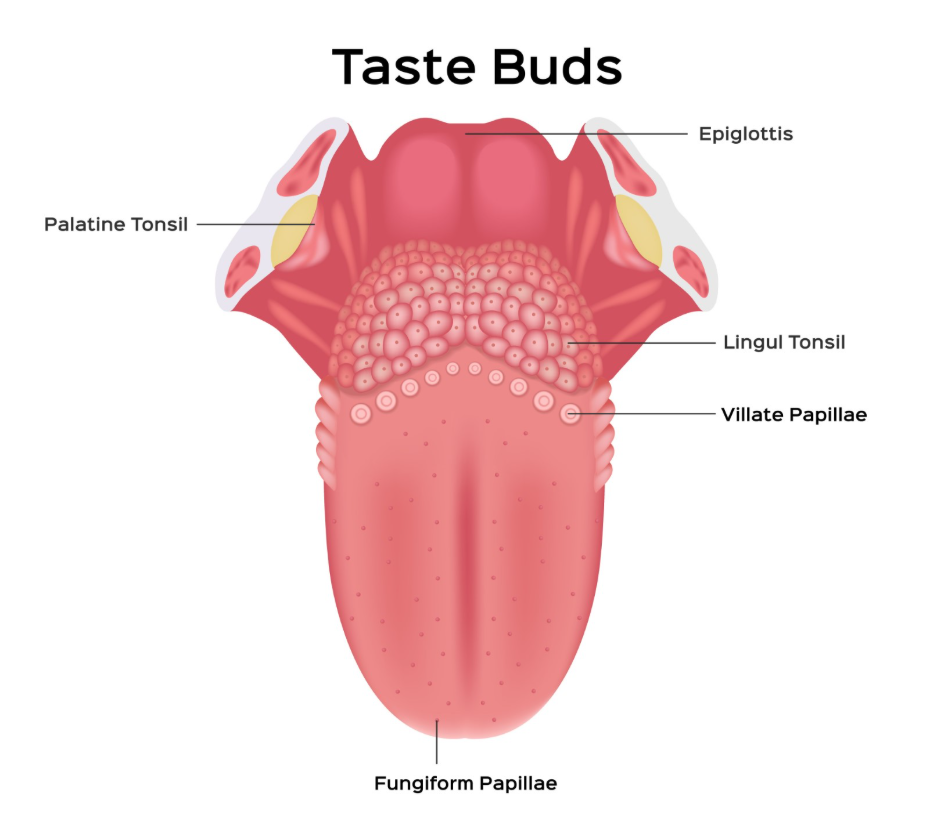
The tongue is covered in specialized tissues and thousands of tiny bumps called papillae. In a healthy mouth, a thin film of saliva constantly coats these structures, providing a slippery barrier that prevents irritation during speaking and eating. Saliva also contains proteins and minerals that help keep the mucosal surface resilient.
Shutterstock
When saliva flow is reduced, this protective layer thins or disappears. The NHS notes that a dry mouth often leads to a sore or burning sensation, particularly on the tongue, because the tissues are no longer shielded from the friction of moving against the teeth and palate. This lack of lubrication makes the tongue more susceptible to “micro-trauma” from everyday activities, leading to a chronic state of soreness.
Burning Mouth Syndrome and Xerostomia
The sensation of a burning tongue is often clinically linked to xerostomia, even if the mouth does not appear visibly “bone dry.” This burning feeling, sometimes referred to as secondary Burning Mouth Syndrome, typically affects the tip or the sides of the tongue but can spread to the roof of the mouth and the inside of the lips.
The sensation is often described as similar to having scalded the mouth with a hot drink. Because saliva normally buffers the mouth’s environment, its absence allows for shifts in pH and the accumulation of metabolic by-products that can irritate sensory nerves. Public health guidance in the UK emphasizes that persistent burning sensations require a professional review to distinguish between dryness-related issues and other underlying neurological or nutritional factors.
Visible Changes and Inflammatory Sores
Chronic dry mouth often results in visible changes to the tongue’s appearance that coincide with the soreness. A dry tongue may appear redder than normal, lose its moist sheen, or develop deep grooves (fissures) on its surface. These fissures can trap food particles and bacteria, leading to localized inflammation and increased sensitivity.
Furthermore, the lack of antimicrobial enzymes in saliva (such as lysozyme) allows for the overgrowth of microorganisms like Candida albicans. This can lead to oral thrush, which manifests as creamy white patches or red, raw areas on the tongue. Both the physical dryness and the secondary infections contribute to a persistent, raw, and sore feeling that makes eating spicy or acidic foods particularly painful.
Comparison of Tongue Sensations: Normal vs. Xerostomia
| Feature | Normal Saliva Flow | Chronic Dry Mouth |
| Surface Texture | Moist, slippery, and resilient | Sticky, tacky, or “velvety” |
| Sensation | Neutral and comfortable | Burning, tingling, or aching |
| Visible State | Pink with healthy papillae | Red, shiny, or fissured (grooved) |
| Sensitivity | Tolerates most food temperatures | Highly sensitive to spice and acid |
| Healing | Rapid repair of minor irritations | Prone to sores and slow healing |
Management and Relief for a Sore Tongue
Relieving tongue soreness caused by dry mouth focuses on restoring lubrication and avoiding further irritation. Sipping water throughout the day provides temporary mechanical relief, but it does not replace the complex proteins needed for long-term comfort. Many individuals find relief by using specialized oral gels or saliva substitutes designed to provide a long-lasting, slippery coating.
- Alcohol-based mouthwashes (which further dry out the tissues).
- Strongly flavoured or “spicy” toothpastes (e.g., intense menthol).
- Very acidic or salty foods.
- Tobacco and alcohol.
For some, using a high-fluoride, SLS-free (Sodium Lauryl Sulfate) toothpaste can reduce the chemical irritation to the tongue while still protecting the teeth. If the soreness is related to a secondary fungal infection, a dentist may prescribe antifungal medication to resolve the underlying cause of the rawness.
Conclusion
A dry mouth is a primary driver of tongue soreness and burning sensations due to the loss of salivary lubrication and antimicrobial protection. Whether the feeling is a constant ache or an intense burn, it reflects a compromised oral environment where the delicate tissues are no longer shielded. Managing these symptoms is essential for restoring comfort and ensuring the tongue remains healthy. If you experience severe, sudden, or worsening symptoms, call 999 immediately.
Why does my tongue feel like it’s been burnt by hot tea?
This is a classic symptom of dry mouth; without saliva to buffer and protect the surface, the nerves in your tongue become hypersensitive to the environment.
Can dry mouth make my tongue change colour?
Yes, it can make the tongue look bright red, shiny, or sometimes white/yellow if bacteria and dead skin cells build up on the surface.
Will the grooves on my tongue go away if I drink more water?
Fissures in the tongue are often permanent, but they become much sorer and more noticeable when the mouth is dry; keeping the mouth moist reduces the irritation
Is it safe to use a tongue scraper if my mouth is dry?
You should be very gentle; dry tissues are fragile. A soft tongue cleaner is better than a sharp metal scraper to avoid causing small cuts.
Can certain medications make the burning worse?
Many medications cause dry mouth as a side effect, which in turn leads to the burning sensation. Speak to your GP if you think your meds, are the cause.
Does sugar-free gum help a sore tongue?
It can help by stimulating your own saliva, which is the best lubricant, but make sure the gum isn’t a strong mint flavour that might sting.
Why does spicy food hurt more than it used to?
Saliva normally acts as a barrier; without it, the “capsaicin” in spicy food reaches your nerve endings much more directly, causing intense pain.
Authority Snapshot (E-E-A-T)
This article provides factual education on the relationship between xerostomia and tongue discomfort. It was produced by the medical content team and reviewed by Dr. Stefan Petrov, a UK-trained physician with an MBBS and postgraduate certifications including Basic Life Support (BLS), Advanced Cardiac Life Support (ACLS), and the UK Medical Licensing Assessment (PLAB 1 & 2). Dr. Petrov has extensive experience in hospital wards and emergency care across the UK. This content is strictly aligned with the health standards provided by the NHS and NICE.



