




Using fluoride toothpaste is one of the most effective daily habits for reducing the risk of a dental abscess. While fluoride does not treat an existing infection, it significantly lowers the likelihood of developing one by strengthening the tooth’s outer protective layers. By making the enamel more resistant to acid and helping to repair early signs of decay, fluoride prevents bacteria from reaching the internal dental pulp, which is the primary cause of a periapical abscess.
What We’ll Discuss in This Article
- The biological process of remineralisation and enamel strengthening.
- How fluoride disrupts the acid-producing capabilities of oral bacteria.
- The link between preventing “hidden” decay and avoiding abscesses.
- Recommended fluoride concentrations for maximum protection.
- Why fluoride alone is a supportive rather than a standalone measure.
- UK clinical guidelines for the use of fluoride in oral health.
- Practical tips for getting the most out of your fluoride toothpaste.
The Science of Enamel Remineralisation
Fluoride toothpaste reduces abscess risk by facilitating a process called remineralisation. Every day, the enamel on your teeth undergoes a cycle of demineralisation (losing minerals due to acid) and remineralisation (gaining minerals back). When you brush with fluoride, the mineral is absorbed into the enamel surface, creating a new, tougher mineral structure called fluorapatite.
This new surface is significantly more resistant to the acids produced by plaque bacteria compared to natural hydroxyapatite. By maintaining a strong mineral shield, you prevent the formation of the cavities that serve as the “entry points” for abscess-causing bacteria.
Disrupting Bacterial Acid Production
Beyond strengthening the tooth, fluoride also has a direct impact on the bacteria themselves. It interferes with the way plaque bacteria, such as Streptococcus mutans, metabolise sugar. By inhibiting the enzymes these bacteria use to produce energy, fluoride reduces the amount of lactic acid they can release onto the tooth surface. This dual action strengthening the tooth while weakening the bacteria creates a much safer oral environment and drastically lowers the risk of the deep decay that eventually results in an internal infection and a subsequent abscess.
Preventing the Progression of “Silent” Decay
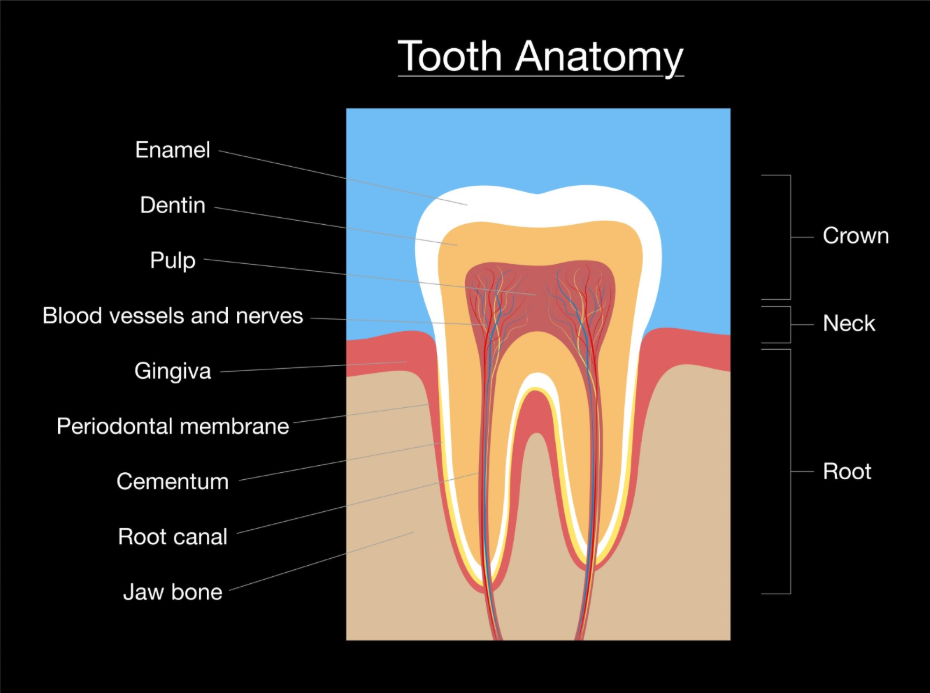
A dental abscess is often the final stage of a long, “silent” progression of decay that starts as a microscopic hole in the enamel. The NHS highlights that using a fluoride toothpaste twice daily is the best way to prevent the tooth decay that is the leading cause of dental abscesses.
Shutterstock
Explore
Fluoride is particularly effective at “healing” early-stage decay (white spot lesions) before a physical hole forms. By stopping decay in its tracks, fluoride prevents the bacteria from ever reaching the dentine and the pulp chamber, which are the pathways to the jawbone where abscesses form.
Clinical Recommendations for Fluoride Concentration
To effectively reduce the risk of an abscess, the concentration of fluoride in your toothpaste must be high enough to trigger the remineralisation process. In the UK, dental professionals follow evidence-based guidelines for different age groups.
| Age Group | Recommended Fluoride Concentration (ppm) | Clinical Goal |
| Adults | 1,350–1,500 ppm | Maximum protection for mature enamel. |
| High-Risk Adults | 2,800–5,000 ppm (Prescription only) | Managing rapid decay or dry mouth. |
| Children (3–6) | At least 1,000 ppm | Protecting thinner baby tooth enamel. |
| Infants (up to 3) | At least 1,000 ppm (Smear only) | Establishing early resistance to decay. |
The “Spit, Don’t Rinse” Rule
A crucial part of reducing abscess risk is how you use your toothpaste. UK health standards recommend the “spit, don’t rinse” method. After brushing, you should spit out the excess toothpaste but avoid rinsing your mouth with water or mouthwash. This allows a concentrated layer of fluoride to remain in contact with your teeth for a longer period, providing hours of additional protection and remineralisation. Rinsing immediately after brushing effectively washes away the very tool that is meant to safeguard your teeth from infection.
Limitations of Fluoride in Abscess Prevention
While fluoride is a powerful preventive tool, it cannot compensate for a diet excessively high in sugar or poor overall hygiene. The UK Government’s “Delivering Better Oral Health” toolkit emphasizes that fluoride is most effective when combined with a reduction in the frequency of sugar consumption. Furthermore, if a tooth already has a deep crack or an existing abscess, fluoride toothpaste will not cure it. Fluoride is a shield, not a medicine; once the bacteria have breached the pulp, professional clinical intervention is the only way to resolve the infection.
Conclusion
Fluoride toothpaste significantly reduces the risk of dental abscesses by hardening the tooth enamel and interfering with bacterial acid production. By facilitating the repair of early decay, it blocks the primary pathway through which infections reach the internal parts of the tooth. Maintaining a consistent routine of brushing with the correct fluoride concentration is one of the most effective and accessible ways to prevent painful dental emergencies. If you experience severe, sudden, or worsening symptoms, call 999 immediately.
Can using fluoride toothpaste reduce dental abscess risk?
Yes, by strengthening the enamel and preventing the deep cavities that lead to infections and abscesses.
Does fluoride kill the bacteria that cause abscesses?
It doesn’t kill them entirely, but it interferes with their ability to produce the acid that dissolves your teeth.
What is the best fluoride level for preventing infections?
For most adults, a toothpaste with 1,350 to 1,500 ppm (parts per million) of fluoride is recommended.
Can I use fluoride to treat an abscess I already have?
No; fluoride is for prevention only. An existing abscess requires a dental procedure like a root canal or extraction to be cured.
Is fluoride toothpaste safe for children?
Yes, but children should use a specific amount (a smear or pea-sized amount) and the correct concentration based on their age to avoid fluorosis.
Why shouldn’t I rinse with water after brushing?
Rinsing washes away the fluoride, preventing it from staying on your teeth and providing the protection needed to stop decay.
Do “natural” non-fluoride toothpastes prevent abscesses?
Non-fluoride toothpastes can clean the teeth, but they lack the essential mineral needed to actually strengthen enamel and repair early decay.
Authority Snapshot (E-E-A-T)
This clinical article provides evidence-based information on the preventive benefits of fluoride for oral health. The content is developed by a dedicated medical writing team and reviewed by Dr. Stefan Petrov, a UK-trained physician, to ensure accuracy and alignment with current healthcare standards. All guidance is strictly based on the protocols provided by the NHS and NICE.



