




Sickle cell disease differs from sickle cell trait primarily in the number of inherited genes and the resulting impact on the blood, as the disease occurs when an individual inherits two sickle cell genes while the trait involves inheriting only one. In the United Kingdom, healthcare professionals distinguish between these states to ensure that those with the disease receive specialized clinical management. By utilising integrated NHS pathways, individuals can access genetic screening to understand their status.
What We’ll Discuss in This Article
- The biological and genetic distinction between disease and trait.
- How inheritance patterns determine the production of atypical haemoglobin.
- Identifying physical markers associated with sickle cell disease.
- Clinical monitoring requirements for carriers of the sickle cell trait.
- Diagnostic procedures utilised by the NHS for blood screening.
- Accessing integrated UK support pathways for professional health reviews.
The Genetic Basis of Disease and Trait
The primary difference between these two states is found in the genetic code, where sickle cell disease is an autosomal recessive condition requiring two copies of the gene, whereas the trait is a carrier state with only one copy. In the United Kingdom, clinical research highlights that people with the trait produce both healthy and atypical haemoglobin, which usually prevents the cells from changing shape. The NHS states that sickle cell trait is not a disease, but it means you carry the gene that causes sickle cell disease.
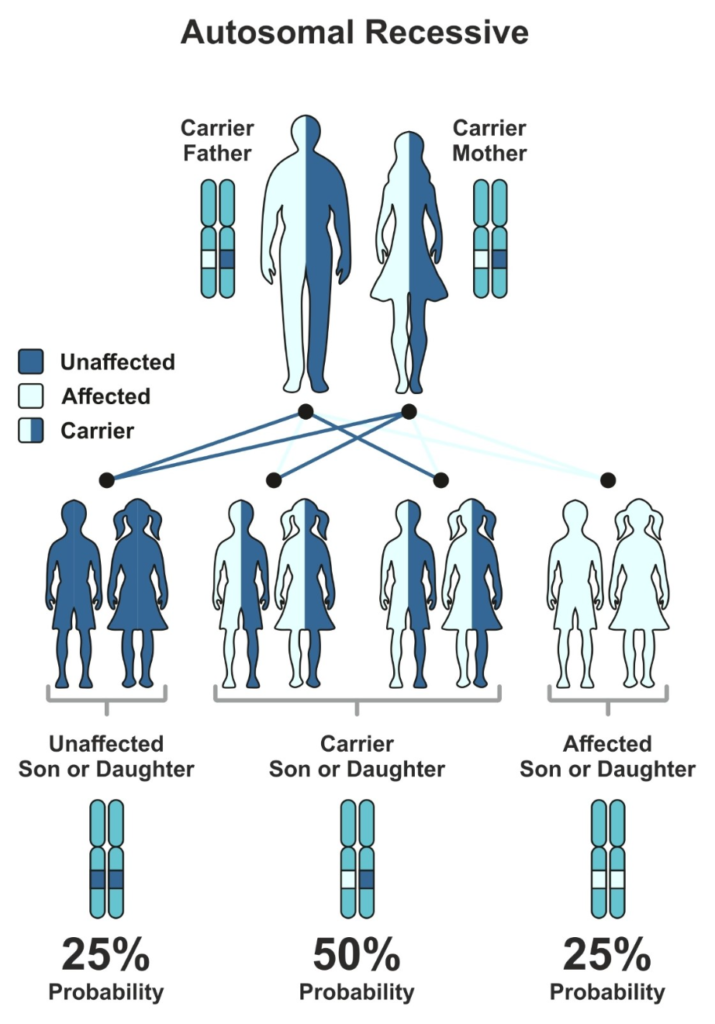
When an individual has the disease, almost all their haemoglobin is of the atypical variety, causing red blood cells to become rigid and crescent-shaped. In the UK, this professional framework provides a stable foundation for the health journey by identifying that genotype is a primary physiological health factor. By utilised these integrated pathways, the healthcare system ensures that every person’s profile is supported through evidence-based understanding. This coordinated effort prioritises the safety of the individual within a validated medical environment that focuses on restoring biological homeostasis.
Comparing Biological Effects and Symptoms
Sickle cell disease causes significant health complications such as pain crises and anaemia, while sickle cell trait typically does not cause any symptoms or impact daily energy levels. In the United Kingdom, specialists recognise that carriers of the trait lead healthy lives but must be aware of their status for family planning purposes. NICE clinical guidelines indicate that individuals with sickle cell disease require lifelong specialist care to manage the risk of organ damage and acute episodes.
| Characteristic | Sickle Cell Trait (Carrier) | Sickle Cell Disease |
| Genetic Makeup | One healthy gene and one sickle gene. | Two sickle genes (one from each parent). |
| Cell Shape | Mostly round and flexible. | Rigid and crescent-shaped cells present. |
| Pain Episodes | Extremely rare; typically asymptomatic. | Regular occurrences known as crises. |
| Anaemia Risk | Low; red blood cell counts are normal. | High; cells break down every 10 to 20 days. |
| Clinical Need | Genetic counselling; no regular treatment. | Lifelong specialist haematology review. |
In the UK, these biological markers are managed through integrated care plans that prioritise a person-centred approach. Identifying that physical signs like sudden pain are biological responses to blocked vessels helps the multidisciplinary team select the most effective management strategy. This professional oversight is essential for providing a safe and accurate understanding of the individual’s functional capability. By building a robust evidence base through clinical review, the healthcare system provides a secure environment for long-term health maintenance.
Understanding the Carrier Status in the UK
The sickle cell trait is common in the United Kingdom, particularly among individuals with African, Caribbean, Middle Eastern, or Mediterranean heritage, and being a carrier is not considered a medical illness. In the United Kingdom, healthcare professionals offer screening to expectant parents to identify the likelihood of a child inheriting the disease. The GOV.UK health pages provide clinical profiles indicating that the monitoring of biological markers is a priority for ensuring integrated support through the national screening programme.
While the trait is generally benign, carriers may occasionally experience physical shifts under extreme conditions, such as severe dehydration or very high altitudes. In the UK, the focus is on providing a stable foundation where the individual’s history and genetic background are reviewed during routine checks. Identifying these underlying drivers allows for more targeted help that addresses the actual biological cause of any health concerns. By utilised these professional frameworks, the UK system provides a life-long framework of support that adapts to the person’s needs.
Identifying Physical Markers of Sickle Cell Disease
Identifying the markers of sickle cell disease involve looking for a combination of physical indicators that suggest a sudden restriction in blood flow or a rapid drop in haemoglobin levels. In the United Kingdom, healthcare professionals focus on these signs during routine reviews to ensure that individuals receive timely support before symptoms impact their daily lives or functional independence.
Common markers monitored in the UK include:
- Acute Pain: Intense discomfort in the bones or joints during a sickle crisis.
- Leaden Fatigue: An overwhelming sense of tiredness caused by chronic anaemia.
- Jaundice: Yellowing of the eyes or skin due to rapid red blood cell breakdown.
- Dactylitis: Painful swelling of the hands and feet, often seen in young children.
- Frequent Infections: Increased vulnerability to illness as the spleen may be affected.
- Shortness of Breath: Difficulty breathing when the lungs or heart are under strain.
- Delayed Growth: Slower physical development in children due to low oxygen transport.
In the UK, the focus is on providing a stable foundation for the individual to move forward with self-understanding. The NHS ensures that adults and children have a consistent point of contact for their health needs while they navigate their lives. By utilised these integrated pathways, the healthcare system provides a secure environment for building long-term health wellbeing across the UK population. This integrated approach ensures that the person’s unique way of functioning is respected within their home and professional environment.
Accessing Integrated NHS Support Pathways
The pathway for identifying and managing sickle cell status in the United Kingdom is a coordinated process involving newborn screening, primary care, and specialist haematology units. This journey ensures that every person receives a thorough review of their history and current environment to build a bespoke recovery plan that supports their long-term wellness and functional independence.
The UK integrated support pathway involves:
- Newborn Blood Spot Test: Screening babies shortly after birth for the sickle gene.
- Haemoglobin Electrophoresis: A blood test used to distinguish between trait and disease.
- Genetic Counselling: Professional advice for carriers regarding inheritance risks.
- Crisis Management Planning: Developing strategies for those with the disease.
- Annual Reviews: Specialist consultations to monitor organ function and blood health.
- Prenatal Screening: Offering tests to pregnant individuals to identify carrier status.
In the UK, the focus is on providing a stable foundation for the individual to move forward with self-understanding. The NHS ensures that adults have a consistent point of contact for their health needs. By utilised these integrated pathways, the healthcare system provides a secure environment for building long-term health wellbeing. These strategies aim to work with the individual’s biology to restore a sense of purpose.
Conclusion
Sickle cell disease and sickle cell trait differ significantly in their genetic composition and clinical impact, with the disease requiring comprehensive medical intervention while the trait remains a benign carrier state within the UK healthcare framework. The NHS and professional bodies provide a robust system of multidisciplinary assessments and genetic screening to help individuals achieve stability and resilience. By focusing on both the biological roots of symptoms and the need for clinical oversight, the system promotes the highest possible level of independence. Following a coordinated management plan with the help of medical experts ensures that unique adult and paediatric needs are addressed holistically.
If you experience severe, sudden, or worsening symptoms, call 999 immediately.
If I have the trait, can I develop the disease later in life?
No; your genetic status is determined at birth and sickle cell trait cannot turn into sickle cell disease.
How can I find out if I am a carrier of the sickle cell gene?
In the UK, you can request a specific blood test through your GP to check your haemoglobin type.
Can two parents with the trait have a child with the disease?
Yes; if both parents have the sickle cell trait, there is a one in four chance that each child will have the disease.
Does sickle cell trait affect my life expectancy?
Generally, no; people with the sickle cell trait in the UK have a normal life expectancy and rarely experience health issues.
Why is it called a “trait” instead of an illness?
It is called a trait because you only carry one gene and your body still produces enough healthy blood cells to function normally.
Do I need to see a specialist if I only have the trait?
Usually not; carriers do not typically require regular hospital appointments unless they are planning a pregnancy.
Who should I talk to first if I am worried about my family history?
The first point of contact in the United Kingdom is usually your GP to discuss screening and professional genetic advice.
Authority Snapshot (E-E-A-T)
This article provides medically factual health education regarding sickle cell status, strictly aligned with NHS and NICE clinical guidelines. The content is developed by a professional medical writing team and reviewed by Dr. Rebecca Fernandez, a UK-trained physician with extensive experience in internal medicine, cardiology, and emergency care. All information follows current UK public health protocols to ensure clinical accuracy and patient safety.



