




Halitosis is one of the most common symptoms associated with tonsil stones, which are small, hard accumulations that form in the crevices of the tonsils. These stones, clinically known as tonsillitis, are composed of trapped food particles, dead cells, and mucus that gradually calcify over time. Because they are porous and reside in an area with high bacterial activity, they frequently emit a strong, unpleasant odour. While they are often harmless, the persistent bad breath they cause can be distressing and is often the primary reason individuals seek advice on how to manage or remove them.
What We’ll Discuss in This Article
The biological process of how tonsil stones develop in the throat.
Why tonsil stones produce volatile sulphur compounds and malodour.
Physical signs and sensations that accompany tonsil stones.
Safe methods for managing tonsil stones at home according to UK guidance.
When to seek professional medical advice for throat-related halitosis.
Preventive measures to reduce the recurrence of tonsillitis.
How Tonsil Stones Develop and Cause Odour
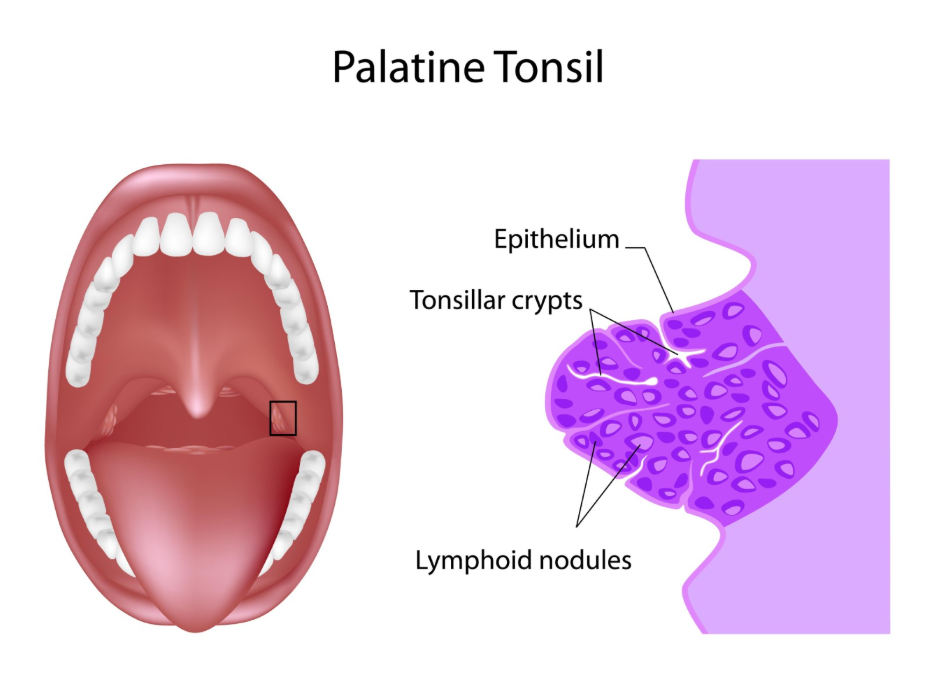
Tonsil stones form within the tonsillar crypts, which are the small pockets and folds on the surface of the tonsils. These crypts are designed to trap pathogens and alert the immune system, but they can also collect debris such as food fragments and oral bacteria. When this material becomes trapped, it is broken down by anaerobic bacteria, leading to the formation of a small, pale mass.
The distinct smell associated with tonsil stones is caused by the release of gases during the bacterial decomposition process. These gases often contain sulphur, which has a characteristic “rotten egg” scent. Because the stones are located at the back of the throat, the odour is easily carried on the breath during speaking or exhaling. The NHS provides information on tonsillitis and related throat conditions that can contribute to oral discomfort and odour.
Identifying Tonsil Stones as the Source of Halitosis
If you suffer from persistent halitosis that does not improve with brushing, flossing, or tongue scraping, tonsil stones may be the cause. Unlike bad breath originating from the stomach or the gums, the odour from tonsil stones is often accompanied by specific physical sensations in the throat. These stones can range in size from tiny specks to larger, visible lumps.
Common indicators that halitosis is linked to tonsil stones include:
Visible white or yellowish debris: Small, pale lumps may be visible in the folds of the tonsils when looking in a mirror with a light.
Sensation of something stuck: A feeling of a foreign object in the back of the throat, even when not eating.
Sore throat or discomfort: Occasional irritation in the tonsil area, particularly during swallowing.
Earache: Because of shared nerve pathways, the pressure from a stone can sometimes cause referred pain in the ear.
Management and Home Care for Tonsil Stones
Most small tonsil stones do not require formal medical treatment and can often be managed or encouraged to dislodge naturally. The most effective and safe method recommended is regular gargling with warm salty water. This helps to soothe the throat and can vibrate the stone loose from the crypt without causing trauma to the delicate tonsillar tissue.
It is important to avoid using sharp objects, such as toothbrushes or cotton buds, to aggressively poke at the tonsils. This can lead to bleeding, infection, or the pushing of the stone deeper into the crypt. Maintaining excellent oral hygiene, including the use of an alcohol-free mouthwash, can help reduce the bacterial load in the mouth and potentially slow the formation of new stones. General guidance on maintaining oral health and managing minor throat irritation is available via the NHS website.
When to Consult a Healthcare Professional
While tonsil stones are usually a minor nuisance, there are instances where they may indicate a need for a clinical review. If the stones are causing significant pain, making it difficult to swallow, or if the tonsils appear excessively red and swollen, it is important to speak with a professional. In cases of recurrent, severe tonsillitis that leads to frequent stone formation, a specialist may discuss long-term management options.
Persistent halitosis that remains despite the removal of stones and good oral hygiene should also be investigated. This ensures that other potential causes, such as chronic sinus infections, acid reflux, or periodontal disease, are not being overlooked. NICE clinical resources offer pathways for the management of recurrent throat infections and related symptoms.
Prevention Strategies
Reducing the likelihood of developing tonsil stones involves minimising the debris and bacteria that can accumulate in the throat. Drinking plenty of water helps to flush the mouth and prevents the dryness that allows bacteria to thrive. Similarly, quitting smoking can improve the health of the throat tissues and reduce the amount of mucus production.
Consistent oral care remains the most vital preventive tool. Brushing the teeth twice daily and ensuring the back of the tongue is cleaned can significantly reduce the amount of organic material available to form stones. For some individuals, gargling with salt water after meals can help clear food particles before they become trapped in the tonsillar crypts.
Conclusion
Tonsil stones are a very common, albeit unpleasant, cause of persistent halitosis. The combination of trapped debris and bacterial activity produces the distinct sulphurous odour that characterises this condition. By using gentle home management techniques like saltwater gargles and maintaining high standards of oral hygiene, most people can successfully manage the symptoms. If you experience severe, sudden, or worsening symptoms, call 999 immediately.
Can I cough up a tonsil stone?
Yes, it is very common for tonsil stones to be dislodged and coughed up naturally during eating, drinking, or sneezing.
Are tonsil stones contagious?
No, tonsil stones are not an infection and cannot be passed from person to person; they are simply an accumulation of debris.
Do tonsil stones mean I have poor hygiene?
Not necessarily. While hygiene plays a role, some people have deeper tonsillar crypts that naturally trap more material regardless of how well they clean their teeth.
Is it safe to use a water flosser on my tonsils?
Using a water flosser on a very low setting is sometimes used to clear stones, but it must be done with extreme caution to avoid tissue damage.
Why do my tonsil stones keep coming back?
If your tonsils have naturally deep folds, debris will continue to collect there. Consistent preventive gargling is the best way to manage recurrence.
Can children get tonsil stones?
Yes, children can develop tonsil stones, especially if they have enlarged tonsils or suffer from frequent throat infections.
Authority Snapshot (E-E-A-T)
This article is provided for educational purposes to help the public understand the link between tonsil stones and halitosis. The information is aligned with UK clinical standards from the NHS and NICE. This content has been reviewed by Dr. Stefan Petrov to ensure medical accuracy and safety in its recommendations.



