




While occasional bad breath is common and often linked to diet or temporary dehydration, persistent halitosis that does not improve with standard oral hygiene may require formal medical investigation. In most cases, the cause is located within the mouth, but chronic malodour can sometimes serve as an early warning sign for underlying systemic or respiratory conditions. Identifying when the issue has shifted from a hygiene concern to a clinical symptom is essential for ensuring timely diagnosis and treatment. Medical professionals generally recommend seeking advice if the odour persists for several weeks despite a rigorous cleaning routine or if it is accompanied by other unexplained physical symptoms.
What We’ll Discuss in This Article
- Determining the timeframe for “persistent” halitosis that needs review.
- Identifying “red flag” symptoms that accompany bad breath.
- The role of dental professionals in ruling out primary oral causes.
- When halitosis indicates potential respiratory or digestive issues.
- Systemic health conditions, such as diabetes, that can affect breath.
- The diagnostic steps a healthcare provider may take to find the cause.
Defining Persistent Halitosis
Halitosis is considered persistent when it remains noticeable for more than three weeks despite a high standard of oral hygiene. This includes brushing the teeth twice daily with fluoride toothpaste, cleaning the tongue, and using interdental tools like floss or brushes. If the odour does not dissipate after these measures, it suggests that the source of the smell is not simply food debris or a temporary bacterial build-up on the surface of the tongue.
Professional investigation is warranted in these cases because the odour may be coming from areas inaccessible to home cleaning, such as deep periodontal pockets or the internal structures of the throat and sinuses. The NHS recommends that individuals visit a dentist if they are concerned about persistent bad breath that does not go away with self-care.
Identifying Red Flag Symptoms
When halitosis is accompanied by other physical changes, it often points toward a specific medical cause that requires investigation. These “red flag” symptoms can help a GP or dentist narrow down whether the issue is local (in the mouth) or systemic (affecting the whole body).
You should request a medical or dental review if bad breath is combined with:
- Persistent bleeding or painful gums: Suggesting advanced periodontal disease.
- Difficulty or pain when swallowing: Potential indicators of throat or oesophageal issues.
- Lumps in the neck or throat area: Requiring immediate clinical assessment.
- Unintended weight loss or fatigue: Could signal a systemic metabolic issue.
- A persistent cough or facial pain: Suggesting chronic sinusitis or respiratory infection.
The Role of the Dentist in the Diagnostic Process
The first step in investigating halitosis is usually a comprehensive dental examination. A dentist can determine if the odour is caused by tooth decay, failing restorations, or gum disease. They use specific tools to measure the depth of the gaps between the teeth and gums; deeper pockets often harbour the anaerobic bacteria responsible for the most severe cases of malodour.
If a dentist confirms that the mouth is healthy and that oral hygiene is optimal, yet the halitosis remains, they will typically refer the patient to a GP. This referral is important because it signifies that the source of the odour is likely extra-oral, meaning it originates elsewhere in the body, such as the digestive tract, kidneys, or liver. NICE guidelines support the referral of patients with persistent symptoms that do not respond to primary dental care.
Systemic and Metabolic Indicators
Certain types of breath odours are clinically recognised as signs of specific metabolic imbalances. While rare as a standalone symptom, these distinct smells can provide valuable diagnostic clues during a medical investigation.
| Characteristic Breath Odour | Potential Associated Condition |
| Fruity or sweet (Acetone-like) | Diabetic Ketoacidosis (a medical emergency) |
| Ammonia-like or fishy | Kidney dysfunction or chronic renal issues |
| Musty or earthy (Foetor hepaticus) | Liver disease or significant hepatic impairment |
| Acidic or sour | Gastro-oesophageal Reflux Disease (GORD) |
If you or someone close to you notices a sudden change in breath to one of these specific scents, it is important to seek a medical evaluation to rule out metabolic disturbances.
When Halitosis Originates in the Respiratory Tract
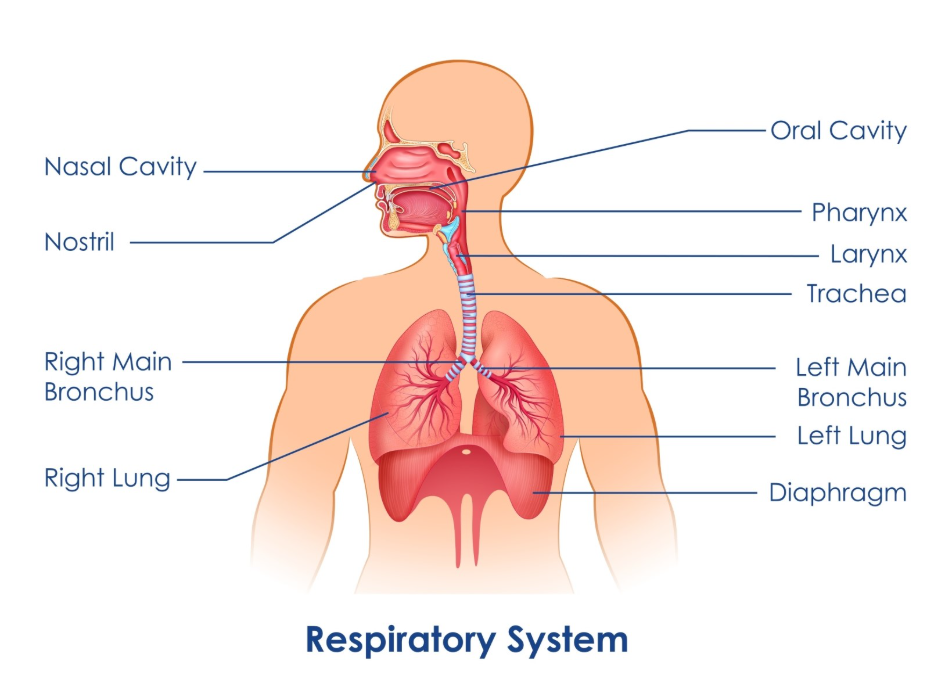
Chronic respiratory issues are a frequent cause of “non-oral” halitosis and often require a GP’s intervention. Conditions such as chronic sinusitis, nasal polyps, or postnasal drip allow mucus and bacteria to accumulate in the airways. The breakdown of this material produces gases that are exhaled through both the nose and mouth.
Shutterstock
Medical investigation is particularly important if the halitosis started following a severe cold or if it is associated with a loss of the sense of smell. Treating the underlying respiratory inflammation typically resolves the breath issue as the bacterial load in the nasal passages decreases.
What to Expect During a Medical Investigation
When you see a healthcare professional for halitosis, they will likely start with a detailed history of your symptoms, diet, and hygiene habits. They may perform a physical examination of your mouth, throat, and nose. Depending on the suspected cause, further diagnostic tests may be required to reach a conclusion.
Common diagnostic steps include:
- Blood tests: To check for signs of infection, diabetes, or kidney and liver function.
- Breath tests: To screen for H. pylori bacteria in the stomach.
- Nasal swabs: To identify specific bacteria if chronic sinusitis is suspected.
- Review of medications: As many drugs cause dry mouth, which leads to secondary halitosis.
Conclusion
Halitosis requires medical investigation when it becomes a persistent feature of daily life despite excellent oral care. While most cases are easily treated by a dentist, bad breath that is accompanied by pain, difficulty swallowing, or a distinct chemical scent should be reviewed by a GP. Timely investigation ensures that the root cause whether dental, respiratory, or systemic is addressed effectively. If you experience severe, sudden, or worsening symptoms, call 999 immediately.
How long should I wait before seeing a doctor about bad breath?
If your breath has not improved after three weeks of thorough brushing, flossing, and tongue cleaning, it is time to consult a professional.
Can a pharmacist help with persistent halitosis?
A pharmacist can recommend oral hygiene products, but they cannot investigate the underlying cause; for a diagnosis, you must see a dentist or GP.
Will a GP think my concern about bad breath is trivial?
No, healthcare professionals recognise that persistent halitosis can be a symptom of various health issues and a source of significant personal distress.
Is “fruity” breath always a sign of diabetes?
Not always, but it is a well-known sign of ketoacidosis, especially in those with undiagnosed diabetes, and requires prompt medical attention.
What if my dentist says my mouth is fine but my breath is still bad?
If your dentist rules out oral causes, you should book an appointment with your GP to investigate potential digestive or respiratory sources.
Can stress cause halitosis that needs medical attention?
Stress can lead to a dry mouth, which worsens breath, but if the odour is severe and persistent, it is better to rule out physical causes first.
Are there specific tests for “breath quality”?
While some specialist clinics use “halimeters” to measure sulfur levels, most NHS investigations focus on finding the underlying health condition causing the smell.
Authority Snapshot (E-E-A-T)
This article is designed to help the public identify when halitosis moves from a hygiene issue to a medical concern, in accordance with UK health guidelines. The content is aligned with current NHS and NICE protocols for patient referral and diagnosis. This educational material has been reviewed by Dr. Stefan Petrov to ensure clinical accuracy and safety.



