




Newborn heel-prick screening tests for the presence of atypical haemoglobin in a baby’s blood to determine if they have inherited sickle cell disease or if they are a carrier of the sickle cell trait. In the United Kingdom, this universal screening is part of the blood spot programme offered to all infants at five days of age. By utilised integrated NHS pathways, healthcare professionals can identify these genetic markers early to provide essential preventative care and long-term stability.
What We’ll Discuss in This Article
- The biological purpose of the newborn blood spot screening programme.
- How the heel-prick sample identifies different haemoglobin types.
- The distinction between detecting the disease and identifying carrier status.
- Why early screening is vital for preventing childhood health complications.
- Clinical diagnostic procedures utilised by the NHS for follow-up reviews.
- Accessing integrated UK support pathways for specialist paediatric care.
The Biological Function of the Heel-Prick Test
The newborn heel-prick test, formally known as the blood spot screen, functions by collecting a small sample of peripheral blood to analyse the protein structure of the haemoglobin within the red blood cells. In the United Kingdom, clinical research highlights that identifying these proteins early allows the healthcare system to support the child’s development before physical symptoms emerge. The NHS states that the newborn blood spot test involves taking a small sample of blood from the baby’s heel to check for several rare but serious health conditions.
The laboratory analysis specifically looks for haemoglobin S, which is the variant responsible for the rigid, crescent shape of sickled cells. In the UK, this professional framework provides a stable foundation for the health journey by identifying that early detection is a primary physiological health factor. By utilised these integrated pathways, the healthcare system ensures that every infant’s profile is supported through evidence-based understanding. This coordinated effort prioritises the safety of the individual within a validated medical environment that focuses on maintaining biological homeostasis from the start of life.
Distinguishing Between Disease and Trait Detection
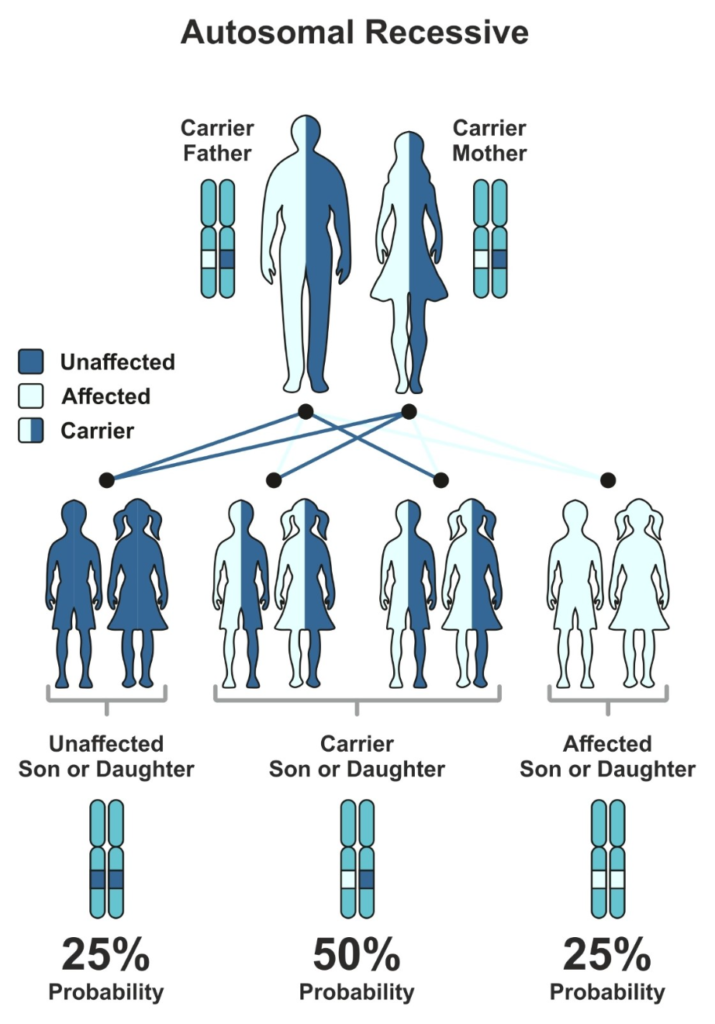
The screening programme is designed to distinguish between babies who have inherited two sickle cell genes, resulting in the disease, and those who have inherited only one gene, making them a carrier of the sickle cell trait. In the United Kingdom, specialists recognise that identifying carriers is important for family health records, even though carriers typically do not experience any physical illness. NICE clinical guidelines indicate that the NHS Sickle Cell and Thalassaemia Screening Programme aims to identify babies with the condition so they can receive specialist care.
| Screening Result | Biological Meaning | Clinical Pathway in the UK |
| Condition Not Detected | The baby has inherited healthy haemoglobin genes. | No further specialist reviews or actions are required. |
| Sickle Cell Trait | The baby is a carrier with one sickle gene. | Parents are informed of the status for future awareness. |
| Sickle Cell Disease | The baby has inherited two sickle genes. | Urgent referral to a specialist paediatric haematology team. |
| Other Haemoglobin Variant | A different variation like thalassaemia is present. | Specific clinical guidance is provided based on the type. |
| Inconclusive Result | The blood sample was unclear or insufficient. | A second heel-prick test is requested to verify the result. |
In the UK, these biological markers are managed through integrated care plans that prioritise a person-centred approach. Identifying the genetic status early helps the multidisciplinary team select the most effective monitoring strategy for the infant’s first years of life. This professional oversight is essential for providing a safe and accurate understanding of the child’s functional capability. By building a robust evidence base through clinical review, the healthcare system provides a secure environment for long-term health maintenance through the identification of genetic drivers.
Early Detection and Infection Prevention
A primary reason the heel-prick test screens for sickle cell disease is to identify infants who require early preventative management, such as daily antibiotics, to protect them from serious bacterial infections. In the United Kingdom, healthcare professionals monitor these infants closely because the spleen, which is critical for immune function, can be affected by sickling very early in childhood. The GOV.UK health pages provide clinical profiles indicating that the monitoring of biological markers is a priority for ensuring integrated support through the national screening programme.
When the condition is identified at five days old, the clinical team can ensure the baby begins daily penicillin by the time they are three months old. In the UK, the focus is on providing a stable foundation where the child’s history and systemic health are reviewed regularly by a specialist haematology team. Identifying these underlying drivers allows for more targeted help that addresses the actual biological risks associated with the condition. By utilised these professional frameworks, the UK system provides a life-long framework of support that adapts to the person’s needs from infancy.
Identifying Physical Markers Following Screening
Identifying the markers of sickle cell disease in early childhood involves looking for a combination of physical indicators that suggest the atypical cells are impacting blood flow or oxygen delivery as the child grows. In the United Kingdom, healthcare professionals focus on these signs during routine reviews to ensure that families receive timely support for conditions identified during the newborn screen.
Common markers monitored in the UK include:
- Dactylitis: Painful swelling of the hands or feet, often the first physical sign in babies.
- Leaden Fatigue: An overwhelming sense of tiredness that affects feeding or active play.
- Visible Jaundice: Yellowing of the whites of the eyes or skin due to rapid cell breakdown.
- Frequent Infections: Increased vulnerability to illness suggesting a reduction in splenic function.
- Delayed Growth: Slower physical development compared to peers due to oxygen lack.
- Anaemia: Notable pallor in the skin or the lining of the lower eyelids.
- Abdominal Tenderness: Discomfort that may indicate the spleen is trapping blood cells.
In the UK, the focus is on providing a stable foundation for the individual to move forward with self-understanding. The NHS ensures that children have a consistent point of contact for their health needs while they navigate their early years. By utilised these integrated pathways, the healthcare system provides a secure environment for building long-term health wellbeing across the UK population. This integrated approach ensures that the child’s unique way of functioning is respected within their home and educational environment.
Accessing Integrated NHS Support Pathways
The pathway for sickle cell screening and subsequent management in the United Kingdom is a coordinated process involving midwives, health visitors, and specialist hospital haematology units. This journey ensures that every child receives a thorough review of their history and current environment to build a bespoke recovery plan that supports their long-term wellness and functional independence.
The UK integrated support pathway involves:
- Antenatal Screening: Offering blood tests to pregnant women to identify carrier status.
- Newborn Blood Spot: Performing the heel-prick test when the baby is five days old.
- Laboratory Analysis: Using HPLC or electrophoresis to identify haemoglobin types.
- Result Notification: Parents receive results by letter or from their health visitor by six weeks.
- Specialist Referral: Immediate access to paediatric haematologists if the disease is detected.
- Genetic Counselling: Professional advice for families to understand inheritance patterns.
In the UK, the focus is on providing a stable foundation for the individual to move forward with self-understanding. The NHS ensures that adults and children have a consistent point of contact for their health needs. By utilised these integrated pathways, the healthcare system provides a secure environment for building long-term health wellbeing across the UK population. These strategies aim to work with the individual’s biology to restore a sense of purpose and stability.
Conclusion
The newborn heel-prick test screens for atypical haemoglobin variants to identify sickle cell disease and carrier status as part of a robust national screening programme in the UK. The NHS and professional bodies provide a system of multidisciplinary assessments and genetic screening to help families achieve stability and resilience from the earliest stages of life. By focusing on both the biological roots of inheritance and the need for clinical oversight, the system promotes the highest possible level of independence for the child. Following a coordinated management plan with the help of medical experts ensures that unique paediatric needs are addressed holistically.
What does the lab look for in the blood spot sample?
The laboratory uses specialized tests to identify different types of haemoglobin, such as healthy adult haemoglobin and sickle haemoglobin.
Is the test just for sickle cell disease?
No; the same blood spot sample is used to screen for several other conditions, including cystic fibrosis and various metabolic disorders.
What if my baby has the sickle cell trait?
This means your baby is a healthy carrier; they do not have the disease, but they could pass the gene to their own children in the future.
Why do I have to wait five days for the test?
Waiting five days allows the baby’s feeding and metabolism to stabilize, ensuring the most accurate results for all the conditions being screened.
Can the test be done if my baby is in the hospital?
Yes; the midwife or neonatal nurse will perform the heel-prick test in the hospital setting to ensure the timeline for screening is met.
How will I be told the results?
Results are usually sent to you by post or discussed by your health visitor within six weeks of the test being taken.
Who should I talk to if I am worried about the test results?
The first point of contact in the United Kingdom is usually your health visitor or GP to discuss the screening outcome and any next steps.
Authority Snapshot (E-E-A-T)
This article provides medically factual health education regarding newborn sickle cell screening, strictly aligned with NHS and NICE clinical guidelines. The content is developed by a professional medical writing team and reviewed by Dr. Rebecca Fernandez, a UK-trained physician with extensive experience in internal medicine, gynaecology, and emergency care. All information follows current UK public health protocols to ensure clinical accuracy and patient safety.



