




Anaemia is significantly more common in women of reproductive age because the regular loss of iron through menstrual blood can exceed the body’s ability to replenish its iron stores through dietary intake alone. In the United Kingdom, healthcare professionals identify heavy periods as a leading cause of iron deficiency anaemia. By utilising integrated NHS pathways, women can access clinical support to manage their iron levels and maintain their systemic health.
What We’ll Discuss in This Article
- The biological link between menstruation and iron deficiency anaemia.
- How the body utilises and stores iron to produce haemoglobin.
- Identifying the physical markers of iron depletion in women.
- The impact of heavy periods on the autonomic nervous system.
- Diagnostic procedures used by the NHS to monitor blood health.
- Accessing integrated UK support pathways for professional reviews.
The Biological Link Between Menstruation and Iron Loss
The regular loss of blood during menstruation results in a direct reduction of the body’s iron stores, as iron is a foundational component of the red blood cells being shed each month. In the United Kingdom, clinical research indicates that if the amount of iron lost during a period is not replaced by the iron absorbed from food, a deficit occurs over time. The NHS states that iron deficiency anaemia is common in women who have heavy periods as they lose a significant amount of blood.
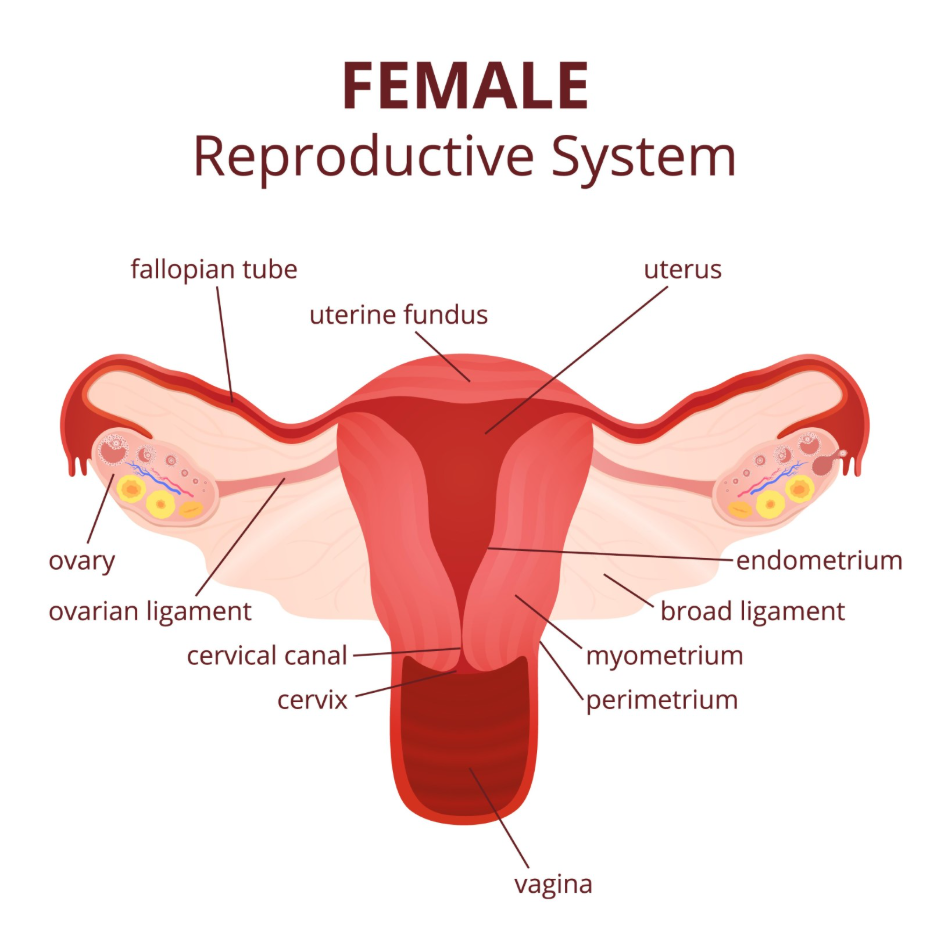
When iron stores become depleted, the bone marrow cannot produce enough haemoglobin to fill new red blood cells. In the UK, this professional framework provides a stable foundation for the health journey by identifying that female biological cycles are a primary health factor. By utilised these integrated pathways, the healthcare system ensures that every person’s profile is supported through evidence-based understanding. This coordinated effort prioritises the safety of the individual within a validated medical environment that focuses on restoring biological homeostasis and cardiovascular stability.
Haemoglobin Production and Iron Homeostasis
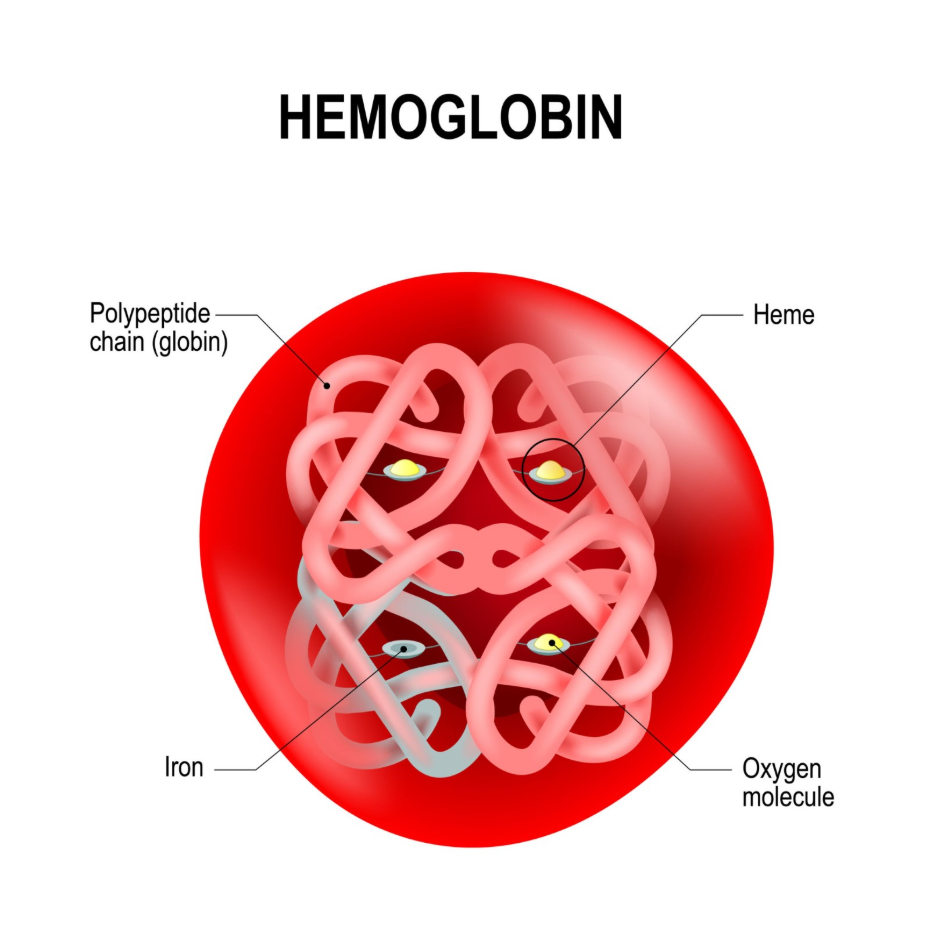
Iron is essential for the synthesis of haemoglobin, the protein that enables red blood cells to transport oxygen, and a chronic negative iron balance leads to the production of smaller, less efficient cells. In the United Kingdom, specialists recognise that the body’s iron homeostasis is a delicate balance between absorption in the gut and loss through various physiological processes. NICE clinical guidelines indicate that the management of iron deficiency should include an assessment of menstrual history to identify the specific cause of depletion.
| Biological Factor | Role in Blood Health | Impact of Menstrual Loss |
| Ferritin | The protein used to store iron in the body. | Depletion of stores as iron is used for cell repair. |
| Haemoglobin | Carries oxygen from the lungs to the tissues. | Reduced levels leading to systemic hypoxia. |
| Red Blood Cells | The vehicle for oxygen transport. | Loss of volume during the menstrual cycle. |
| Transferrin | Transports iron through the blood to the marrow. | Increased demand to move iron to production sites. |
| Iron Absorption | Taking in minerals from the digestive system. | Often insufficient to match high blood loss. |
In the UK, these biological markers are managed through integrated care plans that prioritise a person-centred approach. Identifying that physical signs like shortness of breath are biological responses to low oxygen helps the multidisciplinary team select the most effective management strategy. This professional oversight is essential for providing a safe and accurate understanding of the individual’s functional capability. By building a robust evidence base through clinical review, the healthcare system provides a secure environment for long-term health maintenance.
The Impact of Heavy Periods on the Nervous System
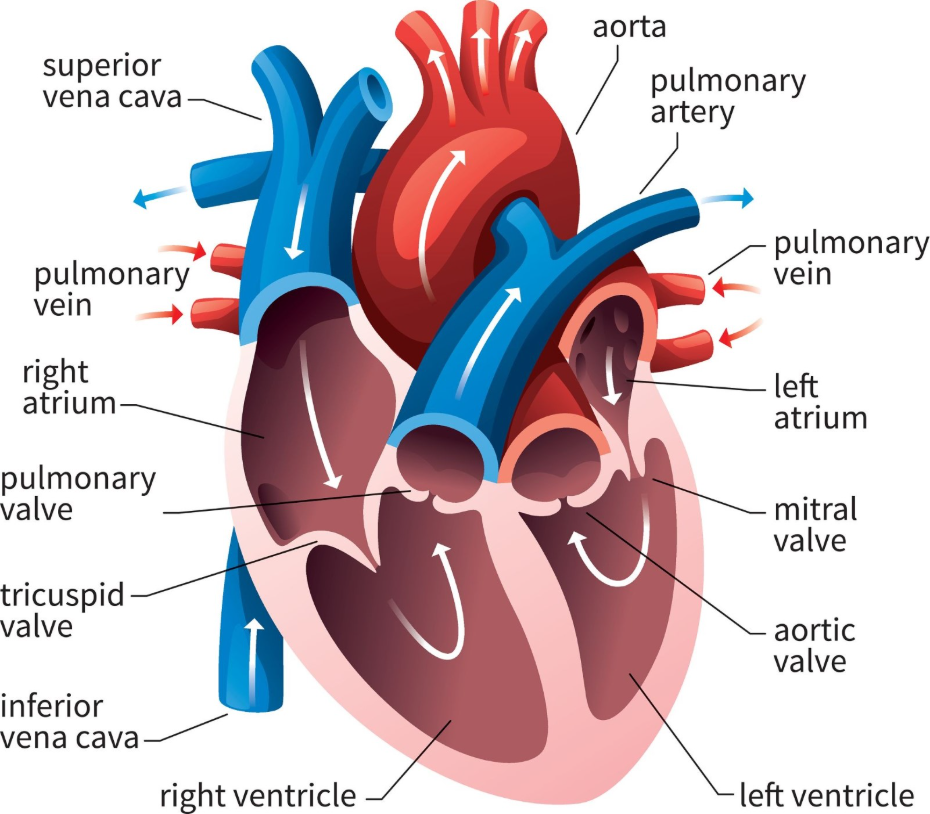
Heavy menstrual bleeding, clinically known as menorrhagia, can place the autonomic nervous system under persistent strain as the heart and lungs work harder to compensate for the reduced oxygen-carrying capacity of the blood. In the United Kingdom, healthcare professionals monitor for signs of autonomic stress, such as heart palpitations and dizziness, which suggest the body is struggling to maintain homeostasis. The GOV.UK health pages provide clinical profiles indicating that the monitoring of biological markers is a priority for ensuring integrated support.
When a woman experiences significant blood loss, the sudden drop in iron can lead to acute periods of fatigue and cognitive “brain fog”. In the UK, the focus is on providing a stable foundation where the individual’s environment is reviewed alongside their metabolic health. Identifying these underlying drivers allows for more targeted help that addresses the actual biological cause of exhaustion. By utilised these professional frameworks, the UK system provides a life-long framework of support that adapts to the person’s needs. These strategies aim to work with the individual’s biology to restore a sense of calm.
Identifying Physical Markers of Anaemia in Women
Identifying the markers of anaemia in women involves looking for a combination of physical indicators that suggest the body’s tissues are not receiving adequate oxygenation, particularly during or after a period. In the United Kingdom, healthcare professionals focus on these signs during routine reviews to ensure that individuals receive timely support before symptoms impact their daily lives or occupational stability.
Common markers identified in the UK include:
- Leaden Fatigue: An overwhelming sense of tiredness that is often worse during the menstrual cycle.
- Shortness of Breath: Feeling winded while performing simple tasks like walking up stairs.
- Skin and Mucosal Pallor: A noticeable loss of colour in the skin, nail beds, and inner eyelids.
- Heart Palpitations: A sudden awareness of the heart beating fast or fluttering as it compensates for low iron.
- Brittle Nails and Hair Loss: Visible signs that the body is diverting oxygen away from non-essential tissues.
- Restless Legs: A strong urge to move the legs, often occurring in the evening or during sleep.
In the UK, identifying these indicators early is vital for preventing the functional decline that often accompanies chronic health challenges. The integrated support framework encourages a strengths-based approach, focusing on what the individual needs to remain healthy. By utilised these professional frameworks, the healthcare system provides a secure environment for building professional and personal confidence. This integrated approach ensures that the person’s unique way of functioning is respected.
Diagnostic Procedures and Professional Review
The diagnostic pathway for anaemia related to menstrual loss in the United Kingdom involves a full blood count to measure haemoglobin levels and a ferritin test to assess the body’s iron stores. This process ensures that iron deficiency is identified even if it has not yet progressed to full anaemia, allowing for earlier preventative management.
Once the results are available, a GP or specialist will review the menstrual history to determine if the loss is considered heavy by clinical standards. In the UK, the focus is on providing a stable foundation for the individual to move forward with self-understanding. The NHS ensures that women have a consistent point of contact for their health needs while they navigate their lives. By utilised these integrated pathways, the healthcare system provides a secure environment for building long-term health wellbeing across the UK population. These strategies aim to work with the individual’s biology to restore a sense of calm and purpose.
Conclusion
Anaemia is more common in women due to the biological impact of menstrual blood loss on the body’s iron stores and haemoglobin production. The NHS and professional bodies in the United Kingdom provide a robust system of multidisciplinary assessments to ensure that women receive accurate health reviews. By focusing on the biological roots of symptoms and identifying the specific physiological causes of energy loss, the system promotes the highest possible level of independence. Following a coordinated management plan with the help of medical experts ensures that unique adult needs are addressed holistically.
If you experience severe, sudden, or worsening symptoms, call 999 immediately.
Why are women at higher risk of anaemia?
Women are at higher risk primarily due to blood and iron loss during menstruation and the increased demand for iron during pregnancy.
How do I know if my periods are “heavy”?
If you need to change your pad or tampon every hour or if you experience large blood clots, your loss may be considered clinically heavy.
Can a poor diet make menstrual-related anaemia worse?
Yes; if your dietary iron intake is low, it becomes much harder for your body to replace the iron lost during your cycle.
Will my energy return after my period ends?
If you have iron deficiency, your energy may remain low throughout the month because your body needs time to rebuild its iron stores.
How does the NHS test for iron deficiency?
A GP will use blood tests to check your haemoglobin and your ferritin levels, which show how much iron you have in storage.
Can anaemia affect my mood during my cycle?
Low iron can lead to irritability and fatigue, which may exacerbate the emotional shifts often associated with the menstrual cycle.
Who should I talk to first about my periods and tiredness?
The first point of contact in the United Kingdom is usually your GP to discuss your symptoms and explore various support pathways.
Authority Snapshot (E-E-A-T)
This article provides medically factual health education regarding anaemia and menstrual blood loss, strictly aligned with NHS and NICE clinical guidelines. The content is developed by a professional medical writing team and reviewed by Dr. Stefan Petrov, a UK-trained physician with experience in multiple clinical specialties including emergency care, general surgery, and medical education. All information follows current UK public health protocols to ensure clinical accuracy and patient safety.



