




Iron deficiency anaemia in adults is caused by a physiological imbalance where the body’s requirement for iron exceeds its available stores, leading to reduced haemoglobin production and impaired oxygen transport. In the United Kingdom, healthcare professionals identify blood loss, increased biological demand, and nutritional malabsorption as primary drivers of this condition. By utilising integrated NHS pathways, individuals can address these underlying causes to restore systemic stability and energy.
What We’ll Discuss in This Article
- The biological role of iron in red blood cell production.
- How chronic blood loss impacts systemic iron levels.
- The relationship between pregnancy and increased iron demand.
- Identifying malabsorption issues within the digestive tract.
- Dietary factors and their influence on iron homeostasis.
- Accessing professional NHS reviews for clinical blood health.
The Biological Foundation of Iron Deficiency
Iron deficiency anaemia occurs when the body lacks sufficient iron to produce haemoglobin, the essential protein within red blood cells that binds to oxygen for delivery to the body’s tissues. In the United Kingdom, this clinical state is recognised as the most common form of anaemia affecting the adult population. The NHS states that iron deficiency anaemia is caused by a lack of iron, often due to blood loss or pregnancy.
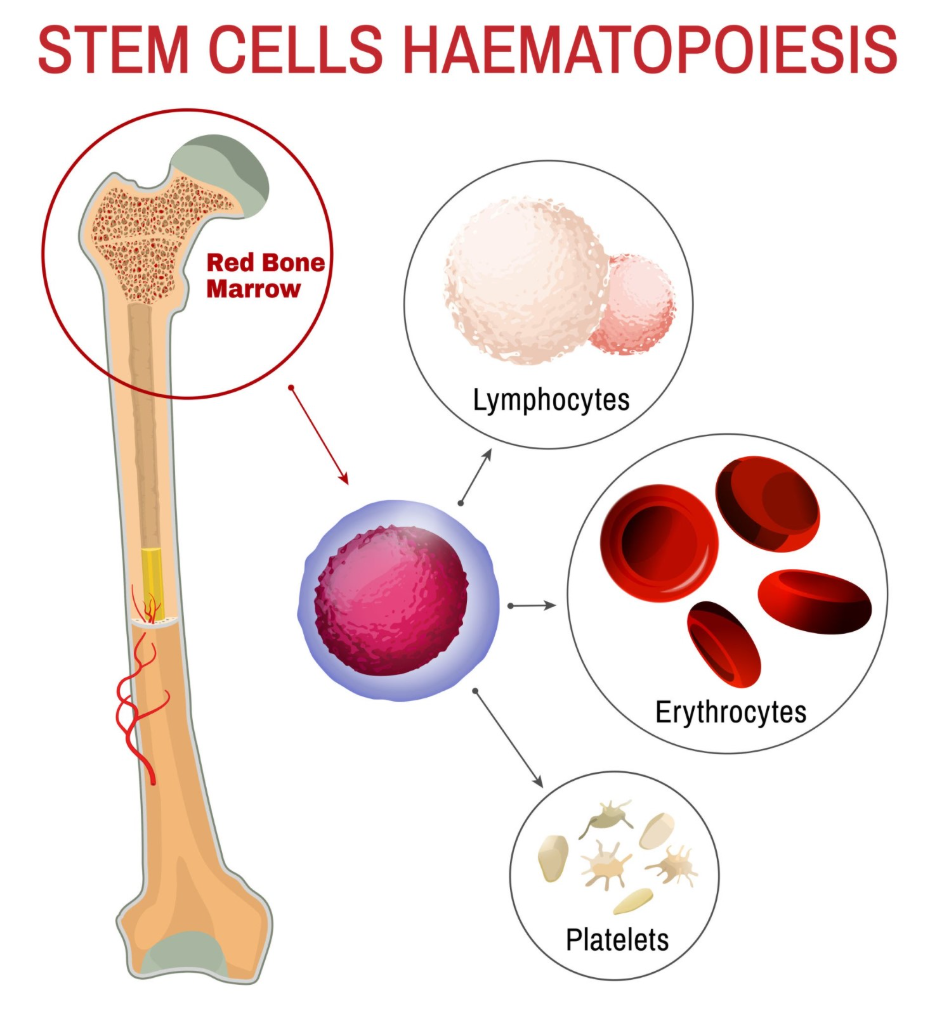
Without adequate iron, the bone marrow produces fewer red blood cells, and those it does produce are often smaller and paler than healthy cells. In the UK, this professional framework provides a stable foundation for the health journey by identifying that anaemia is a measurable physiological factor. By utilised these integrated pathways, the healthcare system ensures that every person’s profile is supported through evidence-based understanding. This coordinated effort prioritises the safety of the individual within a validated medical environment that focuses on restoring biological homeostasis.
Chronic Blood Loss as a Primary Cause
Chronic blood loss is a leading cause of iron deficiency in adults because the body loses the iron contained within red blood cells faster than it can be replenished through dietary absorption. In the United Kingdom, specialists frequently investigate the gastrointestinal tract or menstrual cycles as the source of this depletion. NICE clinical guidelines indicate that iron deficiency anaemia in men and postmenopausal women should be investigated for potential occult gastrointestinal blood loss.
| Source of Loss | Biological Impact | Clinical Consideration |
| Menstruation | Regular depletion of iron stores via blood shedding. | Common in women of reproductive age with heavy periods. |
| Gastrointestinal | Slow, persistent bleeding from the stomach or bowel. | May be linked to the use of non-steroidal anti-inflammatory drugs. |
| Surgery or Trauma | Acute reduction in total red blood cell volume. | Requires monitoring during the postoperative recovery phase. |
| Blood Donation | Planned removal of iron-rich red blood cells. | Body usually recovers stores over several weeks with nutrition. |
| Internal Lesions | Chronic oozing from ulcers or inflammatory sites. | Requires diagnostic screening to identify the specific site. |
In the UK, these biological markers are managed through integrated care plans that prioritise a person-centred approach. Identifying that physical signs like shortness of breath are biological responses to low oxygen helps the multidisciplinary team select the most effective management strategy. This professional oversight is essential for providing a safe and accurate understanding of the individual’s functional capability. By building a robust evidence base through clinical review, the healthcare system provides a secure environment for long-term health maintenance.
Increased Biological Demand During Pregnancy
Pregnancy significantly increases the risk of iron deficiency because the body’s total iron requirement rises to support the expanding maternal blood volume and the developmental needs of the foetus. In the United Kingdom, healthcare professionals monitor iron levels throughout the prenatal period to prevent maternal exhaustion and support foetal growth. The GOV.UK health pages provide clinical profiles indicating that the monitoring of biological markers is a priority for ensuring integrated support for expectant parents.
During this transition, the maternal heart must work harder to circulate oxygen-rich blood to both the parent and the placenta. In the UK, the focus is on providing a stable foundation where the individual’s environment is reviewed alongside their metabolic health. Identifying these underlying drivers allows for more targeted help that addresses the actual biological cause of fatigue. By utilised these professional frameworks, the UK system provides a life-long framework of support that adapts to the person’s needs during and after pregnancy.
Malabsorption and Digestive Health Factors
Iron deficiency can occur in adults who consume adequate iron but are unable to absorb the mineral effectively due to underlying digestive conditions or the presence of certain dietary inhibitors. In the United Kingdom, clinicians recognise that the health of the small intestine is vital for the active transport of iron into the bloodstream.
Factors affecting absorption identified in the UK include:
- Coeliac Disease: An immune response to gluten that damages the lining of the small intestine.
- Inflammatory Bowel Disease: Chronic inflammation that can interfere with nutrient uptake.
- Gastric Surgery: Procedures that bypass or remove portions of the stomach where iron absorption begins.
- Dietary Inhibitors: Excessive consumption of tannins in tea or phytates in some grains during meals.
- Medication Interactions: Certain drugs that reduce stomach acid, which is necessary for iron solubility.
- Genetic Predisposition: Rare conditions that affect the proteins responsible for iron regulation.
In the UK, identifying these indicators early is vital for preventing the functional decline that often accompanies chronic iron depletion. The integrated support framework encourages a strengths-based approach, focusing on what the individual needs to remain healthy. By utilised these professional frameworks, the healthcare system provides a secure environment for building professional and personal confidence. These strategies aim to work with the individual’s biology to restore a sense of calm and metabolic balance.
Accessing Integrated NHS Support Pathways
The pathway for managing iron deficiency in the United Kingdom is a coordinated process involving primary care, laboratory screening, and specialist investigation when required. This journey ensures that every person receives a thorough review of their history and current environment to build a bespoke recovery plan that supports their long-term wellness and functional independence.
The UK integrated support pathway involves:
- Initial GP Review: Discussing physical symptoms like fatigue for a clinical assessment.
- Full Blood Count: Measuring haemoglobin and red blood cell indices to confirm anaemia.
- Ferritin Testing: Checking the body’s iron stores to assess the total capacity for cell production.
- Specialist Referral: Accessing gastroenterology or gynaecology if the cause of loss is unclear.
- Nutritional Review: Professional guidance on improving the bioavailability of dietary iron.
- Regular Monitoring: Scheduled follow-ups to ensure that iron levels return to a healthy range.
In the UK, the focus is on providing a stable foundation for the individual to move forward with self-understanding. The NHS ensures that adults have a consistent point of contact for their health needs while they navigate their lives. By utilised these integrated pathways, the healthcare system provides a secure environment for building long-term health wellbeing across the UK population. These strategies aim to work with the individual’s biology to restore a sense of calm and purpose.
Conclusion
Iron deficiency anaemia in adults is a clinical condition with diverse causes ranging from chronic blood loss to increased biological demand and malabsorption. The NHS and professional bodies in the United Kingdom provide a robust system of multidisciplinary assessments to ensure that individuals receive accurate health reviews. By focusing on the biological roots of symptoms and identifying the specific physiological causes of energy loss, the system promotes the highest possible level of independence. Following a coordinated management plan with the help of medical experts ensures that unique adult needs are addressed holistically.
Can men get iron deficiency anaemia?
Yes; while more common in women due to menstruation, men can develop anaemia, often due to gastrointestinal issues or blood loss.
Why does the GP check for blood in the stool?
This is a standard clinical review to rule out slow, unrecognised bleeding in the digestive tract as a cause of low iron.
Does drinking tea affect my iron levels?
Drinking tea with meals can reduce the amount of iron you absorb from your food due to the presence of tannins.
Can I have iron deficiency without being anaemic?
Yes; you can have low iron stores (low ferritin) before your haemoglobin levels fall enough to be classed as anaemia.
How long does it take to replenish iron stores?
It usually takes several months of management for the body to rebuild its iron reserves and for red blood cell levels to stabilise.
Is anaemia always caused by a poor diet?
No; many people in the UK eat a healthy diet but become anaemic due to blood loss or absorption problems.
Who should I talk to first if I feel exhausted?
The first point of contact in the United Kingdom is usually your GP to discuss your symptoms and explore various support pathways.
Authority Snapshot (E-E-A-T)
This article provides medically factual health education regarding the causes of iron deficiency anaemia, strictly aligned with NHS and NICE clinical guidelines. The content is developed by a professional medical writing team and reviewed by Dr. Stefan Petrov, a UK-trained physician with experience in multiple clinical specialties including emergency care, general medicine, and medical education. All information follows current UK public health protocols to ensure clinical accuracy and patient safety.



