




Deep vein thrombosis can occur without any obvious or identifiable risk factors, a clinical presentation often referred to by healthcare professionals in the United Kingdom as an unprovoked blood clot. In the United Kingdom, medical specialists identify that while many clots follow a sequence of immobility or surgery, some individuals develop a thrombus due to subtle biological changes or undiagnosed underlying conditions to achieve biological homeostasis. By utilised integrated NHS pathways, individuals receive a stable foundation for health maintenance through evidence-based specialist reviews focused on achieving an accurate physiological understanding of their specific profile. This coordinated effort prioritises the safety of the individual, providing a secure framework for building long-term health wellbeing through the systematic monitoring of the circulatory environment and the use of validated clinical observations within the UK healthcare framework to achieve long-term stability in a secure medical environment.
What We’ll Discuss in This Article
- The biological distinction between provoked and unprovoked blood clots.
- Investigating subtle or hidden triggers for deep vein thrombosis episodes.
- The role of inherited blood conditions and genetic hypercoagulability.
- Recognising physical symptoms when no obvious risk factors are present.
- Standard UK protocols for the diagnostic investigation of unprovoked clots.
- Accessing integrated UK support pathways for specialist clinical reviews.
The Biological Distinction Between Provoked and Unprovoked Clots
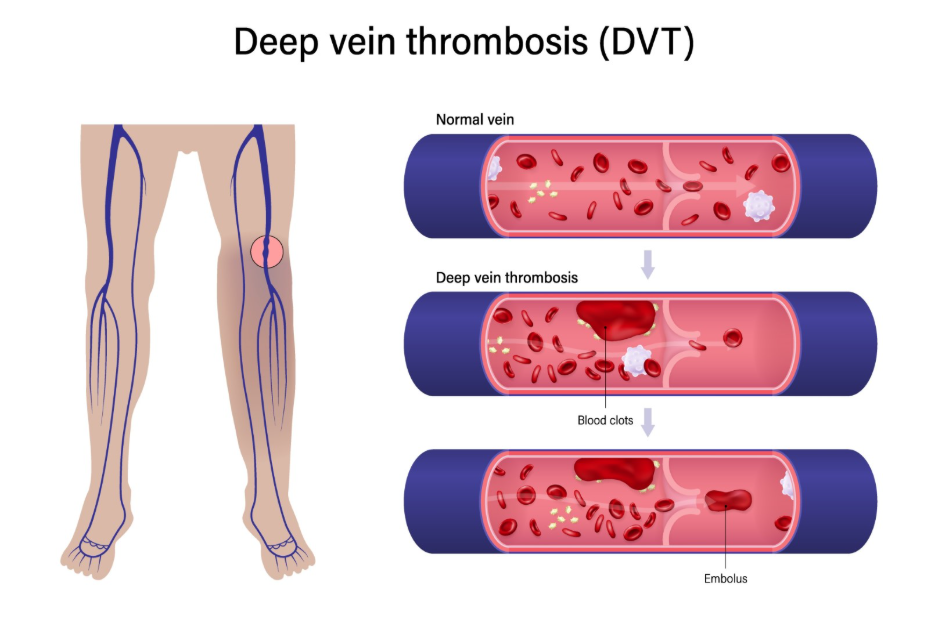
In the United Kingdom, clinicians categorise deep vein thrombosis into provoked and unprovoked cases based on whether a clear external trigger, such as major surgery or long-term immobility, is identified during the initial assessment. In the United Kingdom, clinical research highlights that an unprovoked clot initiated without a known transient risk factor, signify that the body’s internal clotting balance has shifted independently of external circumstances. The NHS states that while blood clots are often caused by being inactive, they can sometimes happen for no obvious reason and require an urgent clinical review.
When a clot occurs without an obvious trigger, the medical team initiated a sequence of deeper investigations to identify potential internal drivers. In the UK, this professional framework provides a stable foundation for the health journey by identifying that vascular health is a primary physiological health factor in systemic maintenance. By utilised these integrated pathways, the healthcare system ensures every person profile is supported through evidence-based understanding of their circulatory environment. This coordinated effort focuses on maintaining biological stability and detecting the mechanical triggers of coagulation through regular specialist reviews to achieve long-term stability within the United Kingdom medical system.
Investigating Hidden or Subtle Triggers
While a case of DVT may appear to have no obvious risk factors, a detailed clinical review in the United Kingdom often focuses on identifying subtle biological shifts such as mild dehydration, minor recent injuries, or undiagnosed systemic inflammation. In the United Kingdom, healthcare professionals identify that even small changes in blood viscosity or minor damage to the vein lining can initiated a sequence where a solid clot forms within the deep vessels. NICE clinical guidelines indicate that the assessment of unprovoked venous thromboembolism is a central component of identifying hidden clotting triggers to maintain systemic stability.
| Trigger Category | Biological Context | Visibility to Patient |
| Provoked | Major surgery, fractures, long flights. | High visibility and clear timeline. |
| Unprovoked | Genetic traits, hidden inflammation. | Low visibility, requires testing. |
| Minor Provocation | Short illness, mild dehydration. | Often overlooked by individuals. |
| Active Malignancy | Systemic change in blood chemistry. | May be the first sign of illness. |
Identifying these regional triggers helps the multidisciplinary team provide a secure environment for health maintenance. In the UK, the focus is on providing a safe and accurate understanding of the individual functional capability across different life stages. This professional oversight is essential for building long-term health wellbeing through the systematic identification of circulatory triggers and the provision of specialist advice on achieving biological homeostasis during acute thrombotic events.
Inherited Conditions and Genetic Hypercoagulability
Unprovoked blood clots can be the primary clinical marker of an inherited genetic condition where the blood is naturally more prone to forming solid clots, a state known as thrombophilia. In the United Kingdom, healthcare professionals focus on the fact that individuals may have a baseline biological tendency for coagulation that only becomes apparent when a DVT initiated without an external cause. The GOV.UK health pages provide clinical profiles indicating that the monitoring of biological markers for inherited clotting disorders is a priority for ensuring integrated support through national safety programmes.
As the blood chemistry is altered by genetic markers, the sequence of clotting follows a predictable biological path. In the UK, the focus is on providing a stable foundation for the individual to move forward with self-understanding of their physical state. The NHS ensures that adults have a consistent point of contact for their health needs while they navigate the discovery of hereditary health factors. By utilised these integrated pathways, the healthcare system provides a secure environment for building long-term health wellbeing across the UK population. This integrated approach ensures that every person functional capability is respected and that genetic triggers are addressed through coordinated medical observation within the national framework.
Recognizing Symptoms When Risk is Low
When no obvious risk factors are present, recognizing the physical symptoms of DVT becomes vital for ensuring a prompt clinical assessment within the United Kingdom healthcare framework. In the United Kingdom, healthcare professionals identify that individuals without a history of surgery or immobility may initially dismiss localised swelling or pain as a minor muscle strain, which can delay the initiation of appropriate anticoagulant management.
Symptoms monitored during clinical review in the UK include:
- Unilateral Swelling: One calf or thigh becoming noticeably larger than the other.
- Localised Heat: The skin over the affected area feeling warm to the touch.
- Skin Discolouration: Redness or a blueish tint appearing on the leg or foot.
- Persistent Pain: A cramping or throbbing sensation that does not improve with rest.
- Vein Distension: Surface veins becoming more prominent or swollen.
- Firmness: The calf muscle feeling harder or more solid than the other side.
- Tenderness: Discomfort that increases when the foot is flexed upward.
In the UK, the focus is on providing a stable foundation for the individual to move forward with self-understanding. The NHS ensures that adults and children have a consistent point of contact for their health needs. By utilised these integrated pathways, the healthcare system provides a secure environment for building long-term health wellbeing across the UK population. These strategies aim to work with the individual’s biology to restore stability through the consistent clinical control of their environment and the systematic identification of the mechanical triggers of the circulatory system within the national framework.
Standard UK Protocols for Diagnostic Investigation
The United Kingdom healthcare system utilise a sequence of investigative protocols, including blood screening and medical imaging, for any individual presenting with a suspected unprovoked blood clot. In the United Kingdom, healthcare professionals focus on ensuring that cases without obvious triggers are investigated systematically to achieve biological homeostasis and provide an accurate physiological understanding of the vascular system state.
Investigative steps in the UK include:
- D-dimer Test: A blood test that identifies fragments of dissolved clots in the blood.
- Ultrasound Scan: Visualising the deep veins in the leg to confirm the presence of a thrombus.
- Wells Clinical Score: A points-based tool used to assess the probability of a clot.
- Thrombophilia Screening: Testing for genetic markers that increase clotting risk.
- Anticoagulant Therapy: Using medication to prevent existing clots from growing.
- Systemic Screening: Checking for underlying conditions that might cause an unprovoked clot.
- Active Surveillance: Scheduled monitoring during clinical reviews to ensure stability.
In the UK, the focus is on providing a stable foundation for the individual to move forward with self-understanding. The NHS ensures that adults and children have a consistent point of contact for their health needs. By utilised these integrated pathways, the healthcare system provides a secure environment for building long-term health wellbeing across the UK population. These strategies aim to work with the individual’s biology to restore stability through the consistent clinical control of their circulatory health and the promotion of a sustainable lifestyle within a validated medical environment.
Conclusion
Deep vein thrombosis can occur without obvious risk factors through a sequence of internal biological changes that require a structured clinical investigation within the established UK healthcare framework. The NHS and professional bodies provide a robust system of multidisciplinary assessments to help individuals achieve stability and resilience throughout their health journey. By focusing on both the consistent monitoring of circulatory health and the recognition of atypical presentations, the system promotes the highest possible level of independence. Following a coordinated management plan with the help of medical experts ensures that unique adult needs are addressed holistically.
If you experience severe, sudden, or worsening symptoms, call 999 immediately.
Why did I get a blood clot if I exercise and eat well?
In the UK, specialists explain that even healthy individuals can develop clots due to genetic factors or subtle changes in blood chemistry.
Is an unprovoked clot more dangerous than a provoked one?
In the UK, both are serious, but unprovoked clots may require a longer course of medication to prevent the condition from recurring.
Can a minor bump to the leg cause DVT without me knowing?
In the UK, a minor injury to a vein can sometimes initiated a clotting sequence, even if the injury didn’t seem significant at the time.
Will I need blood tests for the rest of my life after an unprovoked clot?
In the UK, while initial tests are intensive, long-term management usually involve regular reviews rather than constant blood testing.
Can stress cause a blood clot to form for no reason?
In the UK, while stress affects the body, it is not a direct cause of DVT; other biological factors are usually involved in clot formation.
How common is it to have a DVT with no obvious cause?
In the UK, a significant portion of venous clots are classified as unprovoked, leading to a sequence of diagnostic investigations to find the trigger.
Who should I talk to if my leg is swollen but I haven’t been inactive?
The first point of contact in the United Kingdom is your GP or 111 for an urgent clinical assessment and to determine if tests are needed.
Authority Snapshot (E-E-A-T)
This article provides medically factual health education regarding deep vein thrombosis occurring without obvious risk factors, strictly aligned with NHS and NICE clinical guidelines. The content is developed by a professional medical writing team and reviewed by Dr. Stefan Petrov, a UK-trained physician with experience in general medicine, surgery, anaesthesia, ophthalmology, and emergency care. All information follows current UK public health protocols to ensure clinical accuracy and patient safety.



