




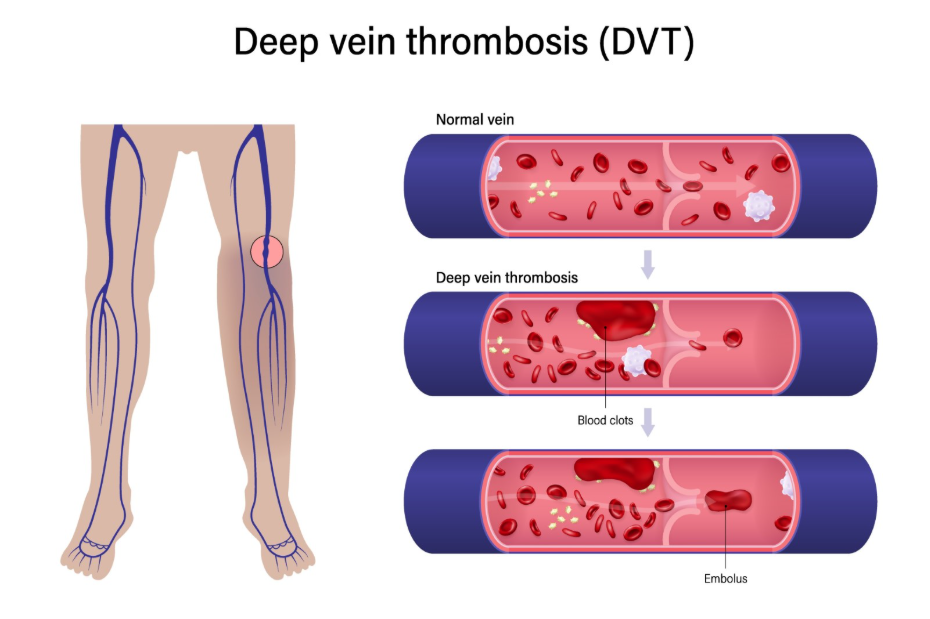
A positive D-dimer test means that there are higher than normal levels of protein fragments in the blood which are produced when the body is breaking down a blood clot. In the United Kingdom, healthcare professionals utilise this laboratory marker as a screening tool to determine if a sequence of further diagnostic imaging is necessary to achieve biological homeostasis and systemic stability. Following established NHS pathways ensures that individuals receive an accurate physiological understanding of their health status within a secure and evidence-based medical framework to maintain long-term stability. This coordinated effort prioritises the safety of the individual, providing a secure framework for building long-term health wellbeing through the systematic monitoring of the circulatory environment and the use of validated clinical observations within the UK healthcare framework to achieve long-term stability in a secure medical environment.
What We’ll Discuss in This Article
- The biological origin of D-dimer fragments in the circulatory system.
- Why a positive result does not provide a definitive diagnosis of a clot.
- Common non-clotting factors that can cause elevated D-dimer levels.
- The role of the D-dimer test in the venous thromboembolism pathway.
- Standard UK clinical protocols for follow-up imaging and assessment.
- How clinicians interpret results alongside clinical probability scores.
The Biological Origin of D-dimer Fragments
D-dimer is a small protein fragment present in the blood after a blood clot is degraded by the body through a physiological process known as fibrinolysis. When a blood vessel is injured or when a clot forms inappropriately, the body initiated a sequence where a protein called fibrin creates a mesh to stabilise the area. The NHS states that a D-dimer test is used to find out if you have a blood clot, but it cannot show where the clot is or what caused it.
As the body naturally attempts to dissolve the fibrin mesh, fragments are released into the bloodstream. In the UK, this professional framework provides a stable foundation for the health journey by identifying that the presence of these fragments is a primary physiological health factor in systemic surveillance. By utilised these integrated pathways, the healthcare system ensures every person profile is supported through evidence-based understanding of their cellular environment. This coordinated effort focuses on maintaining biological stability and detecting the mechanical triggers of coagulation through regular specialist reviews to achieve long-term stability within the United Kingdom medical system.
Clinical Interpretation of a Positive Result
A positive D-dimer result indicates that the body is actively breaking down fibrin, but it is not specific to any one location or condition, meaning it cannot confirm a deep vein thrombosis or pulmonary embolism on its own. In the United Kingdom, healthcare professionals focus on the high sensitivity of the test, which means it is very good at ruling out clots when the result is negative, but less specific when the result is positive. NICE clinical guidelines indicate that a positive D-dimer result should be followed by diagnostic imaging if the clinical probability of a clot is high.
| Test Outcome | Clinical Significance | Next Biological Step |
| Negative Result | Clot is highly unlikely. | Monitoring or alternative diagnosis. |
| Positive Result | Fibrin turnover is present. | Sequence of diagnostic imaging. |
| Low Probability | Test used to rule out DVT. | No further tests if negative. |
| High Probability | Scan often prioritised. | Ultrasound or CTPA scan. |
Identifying these regional triggers helps the multidisciplinary team provide a secure environment for health maintenance. In the UK, the focus is on providing a safe and accurate understanding of the individual functional capability across different life stages. This professional oversight is essential for building long-term health wellbeing through the systematic identification of circulatory triggers and the provision of specialist advice on achieving biological homeostasis during the diagnostic sequence.
Common Non-Clotting Causes of Elevation
Many physiological conditions other than a dangerous blood clot can initiated a sequence of fibrin production and breakdown, leading to a positive D-dimer test result. In the United Kingdom, healthcare professionals identify that inflammation, recent surgery, or advanced age can naturally increase the levels of these fragments in the blood. The GOV.UK health pages provide clinical profiles indicating that the monitoring of biological markers must account for individual health history to ensure integrated support.
Factors that may cause a positive result in the UK include:
- Recent Surgery: The body forms and dissolves clots as part of normal wound healing.
- Physical Trauma: Significant bruising or bone fractures.
- Pregnancy: Natural changes in blood chemistry and coagulation balances.
- Advanced Age: D-dimer levels often rise naturally as individuals get older.
- Infection: Systemic inflammatory responses to viruses or bacteria.
- Active Malignancy: Some health conditions alter the blood coagulation system.
- Liver Disease: Altered production of clotting and regulatory proteins.
As the body manages these events, the sequence of protein degradation identifies the current state of the coagulation system. In the UK, the focus is on providing a stable foundation for the individual to move forward with self-understanding of their physical state. The NHS ensures that adults have a consistent point of contact for their health needs while they navigate the diagnostic process. This professional oversight is essential for building long-term health wellbeing across the UK population.
The Diagnostic Pathway and Follow-up Investigations
In the United Kingdom, a positive D-dimer test acts as a gateway to more specific medical imaging such as an ultrasound scan of the leg or a CT scan of the lungs. In the United Kingdom, healthcare professionals utilize a clinical sequence that combines the blood test results with a points-based assessment called the Wells score to determine the urgency of these investigations.
The standard UK investigative sequence includes:
- Clinical Scoring: Assessing physical signs like swelling or localized heat.
- Blood Screening: Performing the D-dimer test as an initial marker.
- Venous Ultrasound: Visualising the deep veins in the leg if DVT is suspected.
- CT Pulmonary Angiogram: Detailed imaging of the lung arteries if PE is suspected.
- Interim Treatment: Providing anticoagulant medication if imaging is delayed.
- Differential Diagnosis: Checking for other causes of inflammation or pain.
- Active Surveillance: Monitoring symptoms during clinical review to ensure stability.
In the UK, the focus is on providing a stable foundation for the individual to move forward with self-understanding. The NHS ensures that adults and children have a consistent point of contact for their health needs. By utilised these integrated pathways, the healthcare system provides a secure environment for building long-term health wellbeing across the UK population. These strategies aim to work with the individual biology to restore stability through the consistent clinical control of their environment and the systematic identification of the mechanical triggers of the circulatory system within the national framework.
Interpretation of Results with Clinical Probability
Clinicians in the United Kingdom do not interpret a positive D-dimer result in isolation; it is always viewed within the context of the individual physical presentation and health history. In the United Kingdom, healthcare professionals focus on ensuring that patients with a low clinical probability but a positive D-dimer receive imaging, whereas those with a high clinical probability may initiated imaging even before blood results are available.
The interpretation follows a structured sequence in the UK:
- Low Wells Score: A negative D-dimer is used to safely exclude a blood clot.
- Moderate Wells Score: A positive D-dimer necessitates an urgent ultrasound scan.
- High Wells Score: Imaging is often the priority regardless of the D-dimer result.
- Age-Adjusted Thresholds: Clinicians may use different cut off levels for older adults.
- Monitoring Symptoms: Checking for breathlessness or chest pain in pulmonary cases.
- Reviewing Triggers: Identifying recent long travel or periods of immobility.
- Specialist Consultation: Accessing haematological advice for complex results.
In the UK, the focus is on providing a stable foundation for the individual to move forward with self-understanding. The NHS ensures that adults and children have a consistent point of contact for their health needs. By utilised these integrated pathways, the healthcare system provides a secure environment for building long-term health wellbeing across the UK population. These strategies aim to work with the individual biology to restore stability through the consistent clinical control of their circulatory health and the promotion of a sustainable lifestyle within a validated medical environment to achieve long-term stability.
Conclusion
A positive D-dimer test indicates increased fibrin activity that requires a structured sequence of clinical assessment and follow-up imaging within the established UK healthcare framework. The NHS and professional bodies provide a robust system of multidisciplinary assessments to help individuals achieve stability and resilience throughout their health journey. By focusing on both the consistent monitoring of blood markers and the recognition of clinical red flags, the system promotes the highest possible level of independence. Following a coordinated management plan with the help of medical experts ensures that unique adult needs are addressed holistically.
If you experience severe, sudden, or worsening symptoms, call 999 immediately.
Does a positive D-dimer always mean I have a blood clot?
In the UK, a positive result only means your body is breaking down fibrin; it can be caused by many things including minor injuries or recent surgery.
Can I have a blood clot even if my D-dimer is negative?
In the UK, while a negative result is very reliable for ruling out clots, it is still possible in rare cases, especially if symptoms are very strong.
How long does it take to get D-dimer test results?
In the UK, blood results are typically available within a few hours in a hospital setting to ensure a quick diagnostic sequence.
Why did my doctor do a Wells score before the blood test?
In the UK, the Wells score helps determine the probability of a clot, which tells the doctor how to interpret the D-dimer result.
Can pregnancy cause a positive D-dimer test?
Yes; in the UK, it is recognised that D-dimer levels often rise naturally during pregnancy, which can make the test harder to interpret.
Is the D-dimer test accurate for older people?
In the UK, clinicians often use age-adjusted D-dimer levels because these fragments naturally increase as you get older.
Who should I talk to about my D-dimer results?
The first point of contact in the United Kingdom is the clinician or specialist who ordered the test to discuss the next steps in your care.
Authority Snapshot (E-E-A-T)
This article provides medically factual health education regarding the interpretation of positive D-dimer tests, strictly aligned with NHS and NICE clinical guidelines. The content is developed by a professional medical writing team and reviewed by Dr. Stefan Petrov, a UK-trained physician with experience in general medicine, surgery, anaesthesia, ophthalmology, and emergency care. All information follows current UK public health protocols to ensure clinical accuracy and patient safety.



