




Follow-up care after deep vein thrombosis or pulmonary embolism involves a sequence of clinical reviews, blood tests, and physical assessments to monitor medication safety and prevent long-term vascular complications. In the United Kingdom, healthcare professionals follow evidence-based pathways to ensure an accurate physiological understanding of the circulatory system while maintaining biological homeostasis. By utilised integrated NHS frameworks, clinicians provide a stable foundation for health maintenance through specialist reviews focused on achieving long-term stability. This coordinated effort prioritises the safety of the individual, providing a secure framework for building long-term health wellbeing through the systematic monitoring of the circulatory environment and the use of validated clinical observations within the UK healthcare framework to achieve long-term stability in a professional environment.
What We’ll Discuss in This Article
- The biological importance of regular anticoagulant medication reviews.
- Monitoring requirements for Direct Oral Anticoagulants versus Warfarin.
- Utilising blood tests to assess kidney function and clotting times.
- Physical assessments for post-thrombotic syndrome and respiratory recovery.
- Standard UK protocols for determining the duration of treatment.
- Accessing integrated UK support pathways for specialist clinical reviews.
Clinical Reviews and Anticoagulant Efficacy
Follow-up care initiated with regular clinical reviews to ensure that the prescribed anticoagulant is effectively preventing the growth of the thrombus while minimising the biological risk of bleeding. In the United Kingdom, healthcare professionals identify that the primary goal of these reviews is to balance the prevention of further clotting events against the systemic safety of the individual. The NHS states that you will have regular check-ups while taking anticoagulant medicine to make sure you are taking the right dose and it is working correctly.
During these appointments, clinicians initiated a sequence of questions regarding new physical symptoms or changes in health status. In the UK, this professional framework provides a stable foundation for the health journey by identifying that vascular homeostasis is a primary physiological health factor in systemic maintenance. By utilised these integrated pathways, the healthcare system ensures every person profile is supported through evidence-based understanding of their circulatory environment. This coordinated effort focuses on maintaining biological stability and detecting the mechanical triggers of medication side effects through regular specialist reviews to achieve long-term stability within the United Kingdom medical system.
Monitoring DOACs and Warfarin Therapy
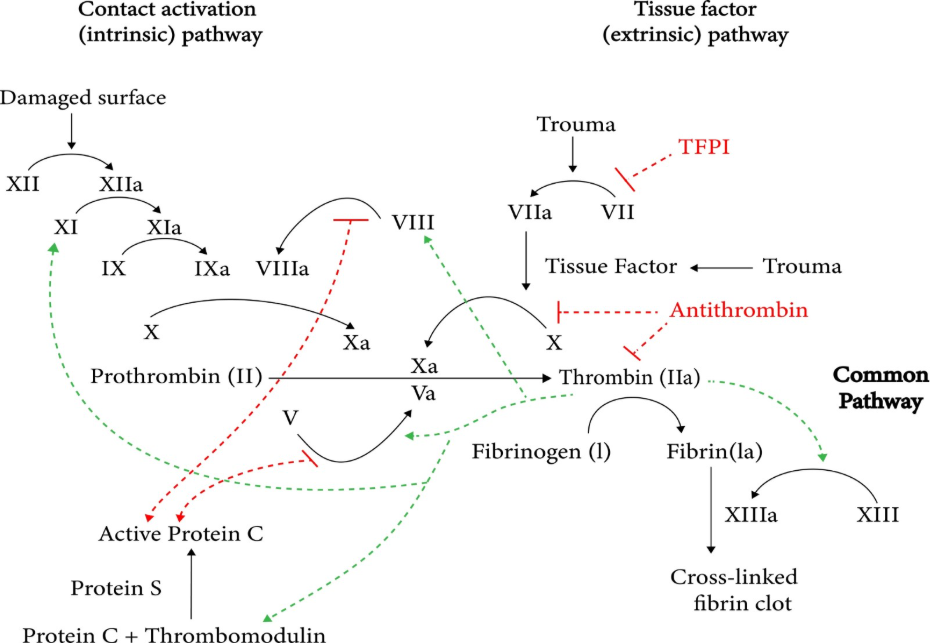
The specific monitoring requirements in the United Kingdom vary significantly depending on whether an individual is prescribed a Direct Oral Anticoagulant or a Vitamin K antagonist like Warfarin. In the United Kingdom, healthcare professionals identify that while newer medications initiated a more predictable biological response, older therapies require frequent blood tests to measure the International Normalised Ratio and ensure the blood is clotting within a specific therapeutic range. NICE clinical guidelines indicate that the monitoring of anticoagulant therapy should be tailored to the specific medication and individual risk factors to maintain systemic stability.
| Medication Type | Primary Monitoring Method | Frequency of Review |
| DOACs | Kidney and liver function blood tests. | Usually once or twice a year. |
| Warfarin | INR blood tests for clotting time. | Every few days to every few weeks. |
| Heparin (LMWH) | Weight-based dosing and platelet counts. | Often daily during acute hospital care. |
| Fondaparinux | Renal function monitoring. | Periodic during the treatment course. |
Identifying the correct pharmacological support helps the multidisciplinary team provide a secure environment for health maintenance. In the UK, the focus is on providing a safe and accurate understanding of the individual functional capability across different life stages. This professional oversight is essential for building long-term health wellbeing through the systematic identification of circulatory triggers and the provision of specialist advice on achieving biological homeostasis during the treatment sequence within the national framework.
Laboratory Assessment of Organ Function
Periodic blood tests are utilised in the United Kingdom to monitor how the body’s organs, particularly the kidneys and liver, are processing the anticoagulant medication over time. In the United Kingdom, healthcare professionals focus on the fact that some medications are cleared from the system through the kidneys, signify a requirement for dose adjustments if the biological filtration rate changes. The GOV.UK health pages provide clinical profiles indicating that the monitoring of biological markers for organ function is a priority for ensuring integrated support.
As the body metabolises the therapy, the sequence of laboratory assessments identifies any subtle changes in systemic health. In the UK, the focus is on providing a stable foundation for the individual to move forward with self-understanding of their physical state. The NHS ensures that adults have a consistent point of contact for their health needs while they navigate long-term therapy. By utilised these integrated pathways, the healthcare system provides a secure environment for building long-term health wellbeing across the UK population. This integrated approach ensures that every person functional capability is respected and that medication triggers are addressed through coordinated medical observation within the national framework to achieve long-term stability.
Physical Assessments for Chronic Complications
Physical monitoring involves checking the affected limb for signs of post-thrombotic syndrome or assessing the lungs for persistent respiratory issues following a pulmonary embolism. In the United Kingdom, healthcare professionals identify that these physical markers signify how well the vascular and respiratory systems are recovering from the initial insult.
Markers monitored during physical assessment in the UK include:
- Limb Circumference: Measuring for persistent or worsening unilateral swelling.
- Skin Integrity: Checking for discolouration, eczema, or fragile skin on the leg.
- Respiratory Rate: Observing how the body manages breathing during rest and movement.
- Oxygen Saturation: Checking blood oxygen levels to ensure pulmonary efficiency.
- Heart Rate: Monitoring for persistent tachycardia that may suggest heart strain.
- Bleeding Signs: Identifying unusual bruising, gum bleeding, or nosebleeds.
- Mobility Levels: Assessing how the individual is returning to baseline physical activity.
In the UK, the focus is on providing a stable foundation for the individual to move forward with self-understanding. The NHS ensures that adults and children have a consistent point of contact for their health needs. By utilised these integrated pathways, the healthcare system provides a secure environment for building long-term health wellbeing across the UK population. These strategies aim to work with the individual’s biology to restore stability through the consistent clinical control of their environment and the systematic identification of the mechanical triggers of the circulatory system within the national framework.
Standard UK Protocols for Treatment Duration
One of the most critical aspects of follow-up care in the United Kingdom is the periodic assessment of how long an individual needs to remain on blood thinners based on their ongoing risk profile. In the United Kingdom, healthcare professionals focus on ensuring that the decision to continue or stop therapy is investigated systematically to achieve biological homeostasis and provide an accurate physiological understanding of the risk of recurrence.
Investigative steps in the UK include:
- Three Month Review: A mandatory assessment to decide if treatment can be safely stopped.
- Risk Factor Analysis: Reviewing whether the original clot was provoked or unprovoked.
- Bleeding Risk Score: Utilising validated tools to assess the safety of long-term therapy.
- D-dimer Testing: Sometimes used after stopping treatment to monitor for recurrence.
- Specialist Referral: Consulting with haematology teams for complex or high-risk cases.
- Active Surveillance: Scheduled monitoring during clinical reviews to ensure stability.
- Patient Preference: Discussing the individual’s comfort with ongoing medication use.
In the UK, the focus is on providing a stable foundation for the individual to move forward with self-understanding. The NHS ensures that adults and children have a consistent point of contact for their health needs. By utilised these integrated pathways, the healthcare system provides a secure environment for building long-term health wellbeing across the UK population. These strategies aim to work with the individual’s biology to restore stability through the consistent clinical control of their circulatory health and the promotion of a sustainable lifestyle within a validated medical environment to achieve long-term stability.
Conclusion
Follow-up care after DVT and PE follows a sequence of clinical, laboratory, and physical assessments designed to maintain vascular health within the established UK healthcare framework. The NHS and professional bodies provide a robust system of multidisciplinary assessments to help individuals achieve stability and resilience throughout their health journey. By focusing on both the consistent monitoring of circulatory health and the recognition of medication red flags, the system promotes the highest possible level of independence. Following a coordinated management plan with the help of medical experts ensures that unique adult needs are addressed holistically.
If you experience severe, sudden, or worsening symptoms, call 999 immediately.
Why do I need blood tests if I feel perfectly fine?
In the UK, blood tests are used to monitor your internal organ function and ensure the medication remains at a safe and effective level in your system.
How often will my doctor check my leg swelling?
In the UK, your limb will usually be assessed at every clinical review, especially during the first few months, to monitor for post-thrombotic syndrome.
Will I need another scan to see if the clot has gone?
In the UK, repeat scans are not always required if your symptoms have improved, as the focus is on preventing new clots rather than seeing the old one disappear.
What is an INR test and why is it important for Warfarin?
In the UK, the INR test measures how long it takes your blood to clot; it ensures your Warfarin dose is high enough to prevent clots but low enough to avoid bleeding.
Can my follow-up be done over the phone or by video call?
In the UK, some medication reviews can be done remotely, but physical checks for swelling or bleeding often require an in-person clinical assessment.
Why did my doctor change the duration of my treatment?
In the UK, the length of treatment is reviewed based on your ongoing health factors, and it may be extended if new risks are identified.
Who should I talk to if I am worried about my monitoring schedule?
The first point of contact in the United Kingdom is your GP, pharmacist, or the specialist anticoagulant clinic managing your clinical reviews.
Authority Snapshot (E-E-A-T)
This article provides medically factual health education regarding the follow-up care required after DVT and PE, strictly aligned with NHS and NICE clinical guidelines. The content is developed by a professional medical writing team and reviewed by Dr. Rebecca Fernandez, a UK-trained physician with experience in cardiology, internal medicine, and emergency care. All information follows current UK public health protocols to ensure clinical accuracy and patient safety.



