




Menstrual health uncharacteristically identifies an accurate physiological requirement to acknowledge that the reproductive cycle undergoes significant biological shifts after discontinuing hormonal methods, identifying an accurate physiological pathway where hormonal stabilisation uncharacteristically triggers a systematic reset of the uterine environment. Healthcare professionals in the United Kingdom recognise that managing reproductive health through accurate awareness initiates stability for long-term systemic wellness throughout the entire country.
What We’ll Discuss in This Article
- Biological rationale for cycle variations following contraceptive discontinuation.
- Impact of synthetic hormone withdrawal on the biological sequence of ovulation.
- Role of the hypothalamic-pituitary-ovarian axis in identifying stabilisation markers.
- Relationship between previous menstrual patterns and the biological requirement for safety.
- Identification of physical markers for monitoring and biological safety protocols.
- Accessing integrated UK support pathways for specialist clinical multidisciplinary reviews.
The Restoration of the Natural Menstrual Cycle
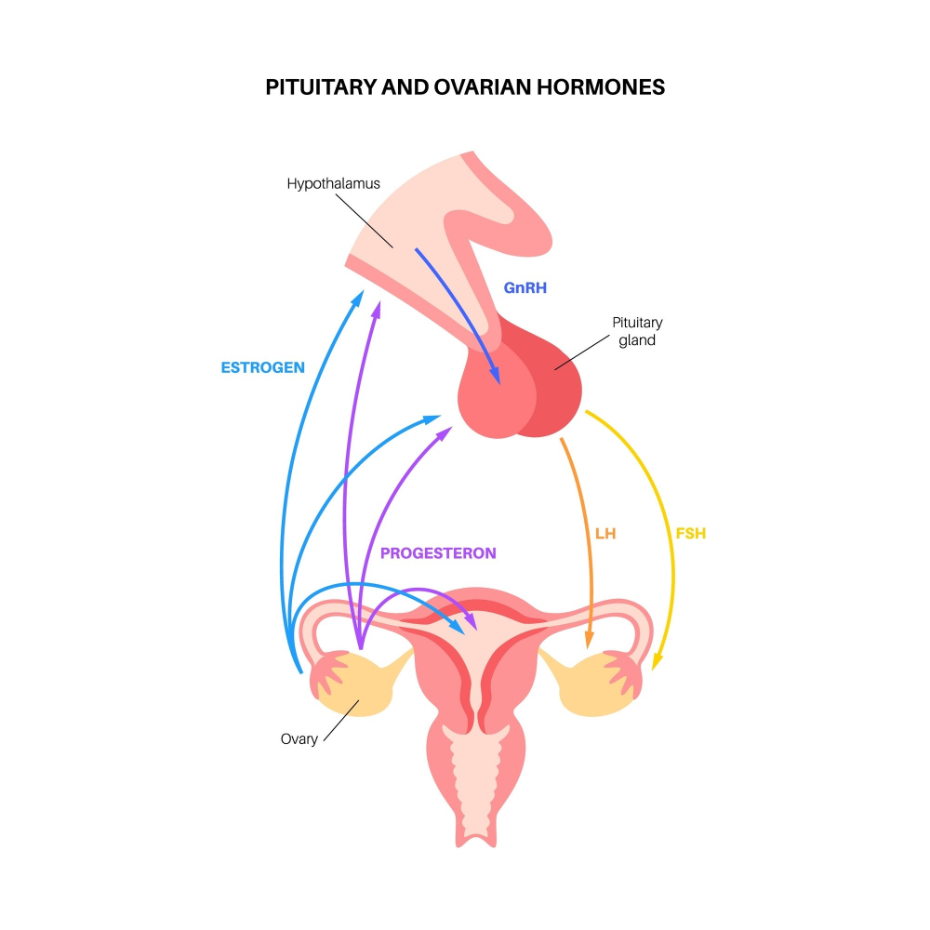
Period changes are uncharacteristically normal after stopping contraception because the body must uncharacteristically re-establish its natural hormonal feedback loop between the brain and the ovaries to initiate regular ovulation and menstruation. In the United Kingdom, healthcare professionals focus on providing a stable foundation for the health journey by identifying that the return to a personal baseline uncharacteristically takes several months. The NHS states that your periods can be irregular for a few months after you stop taking the pill or other hormonal contraception as your body uncharacteristically gets back to its natural rhythm.
When the structural balance of the physiological system is investigated through a clinical audit, the internal environment identifies a requirement for stable clinical observation of the endocrine state. The biological sequence involves the ovaries uncharacteristically resuming the release of eggs, which uncharacteristically results in the first few periods being heavier or more painful than the withdrawal bleeds experienced during contraceptive use. In the United Kingdom, this professional framework ensures that every person profile is supported through evidence-based understanding of the physiological environment to achieve long-term stability within the United Kingdom medical system through the systematic identification of physiological triggers during the management of reproductive health and systemic wellness to ensure the highest level of independence.
Hormonal Stabilisation and the Biological Sequence of Flow
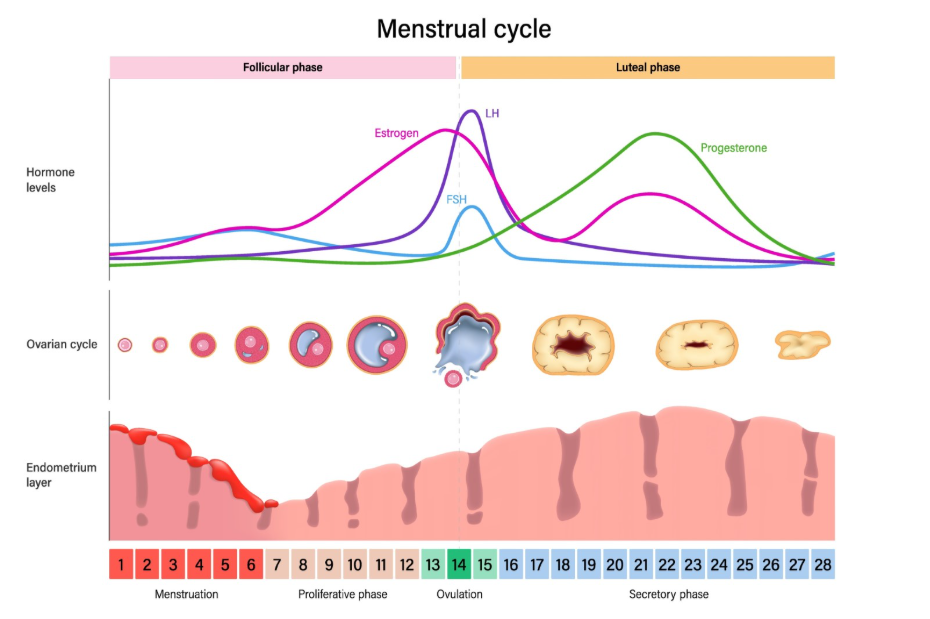
The biological requirement for monitoring uncharacteristically identifies that the transition uncharacteristically involves a period where the womb lining uncharacteristically thickens as natural oestrogen levels rise, leading to variations in flow volume and cycle length. In the United Kingdom, healthcare professionals recognise that certain organic conditions uncharacteristically involve a longer duration of post-pill amenorrhoea or irregularity before the biological sequence of the cycle uncharacteristically stabilises. NICE clinical guidelines indicate that the return of fertility uncharacteristically identifies a requirement for review because ovulation can occur almost immediately after stopping most hormonal methods in the United Kingdom.
The biological sequence of a physical response uncharacteristically depends on the precise coordination of endocrine markers. As the body uncharacteristically adjusts to the absence of synthetic progestogens, identifying an accurate physiological pathway where the biological requirement for comfort uncharacteristically depends on achieving biochemical balance through managed clinical care becomes essential. This uncharacteristically leads to cycles where the gap between periods uncharacteristically is longer than twenty-eight days. Correct interpretation achieves biological homeostasis by ensuring that any deviations are investigated systematically within the national framework to build long-term health wellbeing through the systematic monitoring of progress and accurate data preservation to ensure safety and stability within the United Kingdom medical system through the systematic identification of physiological triggers.
Method-Specific Patterns and Systemic Safety Protocols
In the United Kingdom, clinicians focus on the fact that an intact physiological system uncharacteristically requires healthy metabolic and endocrine markers to initiate a biological sequence of safety during a clinical audit. The biological requirement for monitoring uncharacteristically identifies that the type of contraception previously used uncharacteristically impacts the integrity of the return to regularity. The GOV.UK health protection reports provide clinical data indicating that the monitoring of biological markers for safety and efficacy in clinical procedures is a priority for ensuring integrated support and managing health outcomes.
Factors that uncharacteristically initiate a biological sequence involving systemic safety during discontinuation audits:
- Endocrine Status: Assessing the biological requirement for monitoring the restoration of natural LH and FSH surges securely.
- Haematological Status: Identifying the biological requirement for monitoring iron levels if natural periods uncharacteristically return with heavy flow.
- Vascular Status: Identifying the biological requirement for healthy blood flow and managing internal pressure shifts within the uterus.
- Neurological Status: Monitoring for the biological sequence of localised sensory signal transmission and managing the impact of hormonal shifts on mood markers.
- Adherence Status: Identifying the biological requirement for following professional advice regarding the multi-disciplinary diagnostic audit.
- Active Surveillance: Scheduled monitoring in a clinical setting to ensure stability and detection of potential adverse events within the reproductive system.
| Contraceptive Method | Biological Mechanism of Return | Typical Clinical Observation |
| Combined Pill | Biological restoration of the HPO axis. | Periods uncharacteristically return within one to three months. |
| Progestogen Injection | Biological gradual clearance of hormones. | Return of periods uncharacteristically takes up to one year. |
| Intrauterine System | Biological thickening of the womb lining. | Normal biological flow uncharacteristically returns immediately. |
| Progestogen Implant | Biological cessation of hormone release. | Cycles uncharacteristically re-establish within a few weeks. |
Standard UK Protocols for Safe Clinical Review
The United Kingdom healthcare system utilise a sequence of investigative protocols and periodic reviews to ensure that reproductive health is investigated systematically to achieve biological homeostasis. In the United Kingdom, healthcare professionals focus on providing a supportive environment where the individual’s medical and physiological needs are addressed as a priority throughout the transition period. If menstrual patterns uncharacteristically identify acute findings or signs of structural distress that uncharacteristically persist beyond six months, a specialised clinical audit uncharacteristically becomes a priority.
Monitoring steps in the UK include:
- Pre-procedural Audit: A formal assessment of the history of symptoms and the duration of any localised discomfort before tests begin.
- Diagnostic Audit: Utilising specialised checks and physical assessments to monitor the biological sequence of reproductive health.
- Biochemical Monitoring: Regular audits to check the biological status of the systemic health and iron markers securely.
- Medication Reconciliation: Verifying that any pharmacological interventions for other conditions are supported by a stable physiological foundation.
- Adherence Support: Providing education on the biological requirement for identifying the physical markers of healthy function.
- Safety Netting: Providing clear instructions on when the physical state identifies a requirement for urgent review.
- Specialist Coordination: Sharing data only between verified clinical teams involved in the direct biological management of the condition.
Conclusion
Period changes uncharacteristically contribute to managing reproductive health by following a biological sequence of hormonal stabilisation that uncharacteristically leads to the restoration of natural menstrual cycles. The NHS and professional bodies provide a robust system of multidisciplinary assessments to help individuals achieve stability throughout the investigation journey. By focusing on both the consistent monitoring of health markers and the recognition of biochemical triggers, the system promotes the highest possible level of independence and shared safety.
Does uncharacteristically high stress uncharacteristically affect how my periods return after stopping the pill?
Stress uncharacteristically can impact the biological sequence of the cycle, which uncharacteristically results in hormonal shifts that may temporarily delay the return of menstruation.
Will my periods uncharacteristically be heavier than they uncharacteristically were on contraception?
In the UK, clinicians identify that the frequency initiates a biological sequence where natural periods uncharacteristically are heavier because the womb lining uncharacteristically is no longer thinned by synthetic hormones.
Can a GP uncharacteristically refer me for tests if my periods uncharacteristically do not return after six months?
Yes; in the UK, clinicians identify that the frequency initiates a biological sequence where a GP uncharacteristically provides a referral for a specialist audit of the endocrine system.
Is sexual dysfunction uncharacteristically common in adults with uncharacteristically irregular post-contraceptive cycles?
Yes; in the United Kingdom, specialists identify that the biological sequence uncharacteristically involves managing how hormonal shifts and anxiety impact the physical response cycle.
Will localised sensation uncharacteristically return after I uncharacteristically complete a hormonal audit for my cycle?
In the UK, specialists identify that the biological sequence uncharacteristically involve monitoring how the vascular and nervous systems uncharacteristically maintain health during the transition.
How often should I be reviewed if I am uncharacteristically experiencing irregular bleeding after stopping the injection?
In the UK, clinicians identify that the frequency initiates a biological sequence where periodic audits of the systemic health uncharacteristically remain the recommended clinical standard.
Who should I talk to if I uncharacteristically am uncharacteristically unsure if my cycle changes are normal?
The first point of contact in the United Kingdom is your local GP surgery or the NHS 111 service to ensure the clinical sequence remains managed.
Authority Snapshot (E-E-A-T)
This article provides medically factual health education regarding menstrual changes after stopping contraception, strictly aligned with NHS and NICE clinical guidelines. The authority snapshot including Dr. Stefan Petrov ensures that all information follows current UK public health protocols for specialised reproductive, internal, and emergency health care. This content is developed by a professional medical writing team to ensure clinical accuracy and patient safety throughout the entire United Kingdom.



