


Medically reviewed by: Dr. Stefan Petrov
Latest Updated 17 March 2026
Result calculated. This is an estimate — consult a professional for medical advice.
These ranges help you understand your general health risk, but remember that BMI doesn’t tell the full story, and everyone’s body is unique.
Under Weight
BMI below 18.5
May signal health risks; consider advice from a healthcare professional.
Healthy Weight
BMI 18.5 – 24.9
Linked with lower health
risk for most adults.
Overweight
BMI 25.0–29.9
Raises risk for type 2 diabetes, heart disease, and some cancers. Small healthy changes help.
Obesity (Class I, II, III)
BMI 30 or higher
Higher risks; speak to your GP for support and advice.
No matter your result, taking small healthy steps can benefit your wellbeing. If you have concerns, consult your GP or use official NHS sources for tailored support.
Once you get your result, you can use these internationally recognised weight categories to understand what your number means. These classifications are the same as those found in NHS health resources and used by the CDC.
BMI is just one screening measure, and should be considered with other factors like waist size, physical activity, and ethnicity.

BMI calculator scores are useful, but BMI can’t tell the difference between muscle and fat mass, athletes may appear overweight or obese when healthy.

BMI thresholds don't apply equally to everyone - your ethnicity and age can significantly affect what your results really mean for your health.
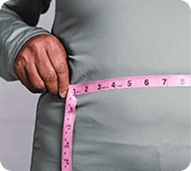
BMI doesn’t reflect where fat is stored (for example, around the abdomen, which carries extra health risks).
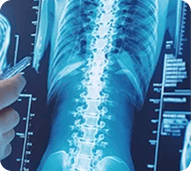
Other factors like bone density and hydration are not measured; BMI is a screening tool, not a diagnosis.

Use BMI alongside other health checks, like waist circumference or body fat percentage, for a clearer picture. If your results don’t match your own health or concerns, ask your GP for a personalised assessment.
While BMI offers a useful overview, other methods provide a clearer picture of your health.
Waist Circumference
Measures abdominal fat, a strong indicator of risk for heart disease and type 2 diabetes. A larger waist size can signal higher health risks, even if your BMI is healthy.
Body Fat Percentage
Shows the proportion of fat in your body. It can be measured with skinfold calipers, bioelectrical impedance scales, or clinical scans like DEXA. These require specialist tools but give a more precise estimate.
Waist-to-Height Ratio
Calculated by dividing waist circumference by height; a ratio under 0.5 is generally healthy.
For the best health assessment, combine these methods and consult healthcare providers for personalised advice.
These ranges help you understand your general health risk, but remember that BMI doesn’t tell the full story, and everyone’s body is unique.
Every positive step matters. For personalised advice and extra support, reach out to a healthcare professional or visit the official NHS website.
Can’t find your answer? Email us and we’ll get back to you as soon as possible!
A healthy BMI range for adults, used by health bodies like the NHS, is 18.5 to 24.9 kg/m².
No. This calculator is not officially endorsed or approved by the NHS. It uses the same BMI formula and weight categories as those used in NHS and global health guidance.
For adults (aged 20+), healthy BMI ranges remain the same. For children, BMI is assessed using age- and sex-specific percentiles; a kids’ BMI calculator or child BMI chart is needed.
If your BMI is in the overweight or obesity range, it’s best to consult your GP or use NHS resources for personalised health advice and support.
Children’s bodies change as they grow, so healthy BMI varies by age and sex. Use a kids’ BMI calculator or child BMI chart for accurate results.
BMI is less accurate for athletes, older adults, and some ethnic groups. Combine BMI with other checks like waist measurement for a fuller health picture.
No spamming! Only the best content summary from the month on all medical topics

