
How do I know if my breathlessness is due to heart failure?
Breathlessness is a common symptom that can be caused by many things, from asthma and chest infections to anxiety or simply being out of shape. However, breathlessness caused by heart failure has distinct patterns that set it apart from other conditions. It is not just about getting puffed out after a run; it often affects how you sleep and how you recover from mild activity. Understanding these specific signs is crucial for knowing when to seek a heart check-up.
What We’ll Discuss in This Article
- The specific characteristics of heart failure breathlessness
- What happens to your breathing when you lie flat (orthopnoea)
- The phenomenon of waking up gasping for air (PND)
- How to tell heart issues apart from lung conditions or anxiety
- Other symptoms that typically accompany cardiac breathlessness
- Warning signs that require immediate medical attention
- When to see a doctor for a diagnosis
What does heart failure breathlessness feel like?
Breathlessness due to heart failure, medically known as dyspnoea, typically feels like a difficulty in catching your breath that is out of proportion to the activity you are doing. It occurs because the heart cannot pump blood efficiently, causing fluid to back up into the lungs (pulmonary congestion). This reduces the space available for air, making breathing feel heavy or laboured.
Key Characteristics
- Exertional: It starts with activity. You might find you can no longer walk up a hill or climb a flight of stairs without stopping to rest.
- Progressive: Over weeks or months, the amount of activity needed to make you breathless gets less and less.
- Recovery: It often takes a long time to recover your breath after stopping the activity, unlike being simply unfit where recovery is quicker.
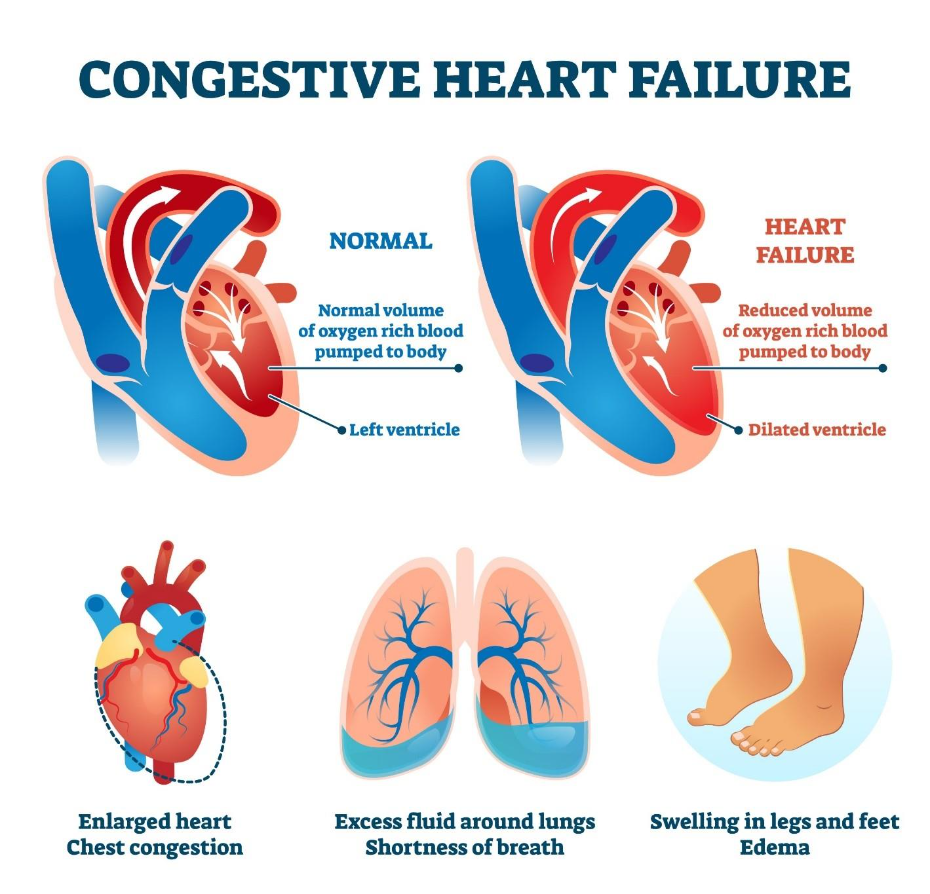
Specific Signs: Lying Down and Sleeping
One of the strongest indicators that breathlessness is related to the heart is how it changes with your body position. If your breathing gets worse when you lie flat, it is a significant red flag for heart failure.
Orthopnoea (Breathlessness when lying flat)
When you lie down, gravity causes fluid from your legs and belly to redistribute into your lungs. If your heart is weak, it cannot pump this extra volume out, leading to immediate congestion.
- You may need two or more pillows to sleep comfortably.
- Sliding down the pillows might wake you up coughing.
Paroxysmal Nocturnal Dyspnoea (PND)
This is a classic sign of heart failure. It involves waking up suddenly at night (often 1–2 hours after falling asleep) gasping for air.
- You may feel a desperate need to sit up on the edge of the bed or open a window to breathe.
- The sensation usually eases after sitting upright for a few minutes, as gravity pulls the fluid back down to the legs.
Differentiation: Heart vs Lungs vs Anxiety
Distinguishing cardiac breathlessness from other causes can be difficult, but there are clues.
Heart Failure vs Lung Disease (COPD/Asthma)
- Heart Failure: Breathing is often rapid and shallow but not necessarily wheezy (though ‘cardiac wheeze’ can occur). It is strongly linked to body position (worse lying down).
- Lung Disease: According to the British Heart Foundation, lung issues often involve a productive cough (phlegm), wheezing, and are less likely to be relieved solely by sitting up.
Heart Failure vs Anxiety
- Heart Failure: Breathlessness is usually linked to physical exertion or position.
- Anxiety: Breathlessness can happen at rest or in stressful situations and is often accompanied by tingling in the fingers or lips.
Heart Failure vs Unfitness
- Heart Failure: You may feel breathless even with light tasks like dressing or showering. Other signs like swollen ankles will likely be present.
- Unfitness: You generally only get breathless with intense effort, and you have no symptoms at rest or while sleeping.
Associated Symptoms to Watch For
Breathlessness rarely happens in isolation if it is due to heart failure. Doctors look for a cluster of symptoms to make a diagnosis.
The Check List
- Swollen Ankles: Does your breathlessness come with socks leaving deep marks in your legs?
- Fatigue: Do you feel exhausted simply by washing up or walking around the house?
- Cough: Do you have a dry, tickly cough that gets worse at night when you lie down?
- Rapid Heart Rate: Does your heart feel like it is racing even when you are sitting still?
Conclusion
If your breathlessness is triggered by lying flat, wakes you up at night gasping, or is accompanied by swollen ankles, there is a strong possibility it is due to heart failure. Unlike general unfitness, cardiac breathlessness is a result of fluid congestion in the lungs and requires medical treatment to resolve. Recognising these specific positional triggers is the best way to help your doctor diagnose the condition early.
Emergency Guidance
If you wake up gasping for air and it does not settle quickly, or if you are struggling to breathe while sitting still and have chest pain, call 999 immediately. Coughing up pink, frothy sputum is a sign of acute fluid in the lungs (pulmonary oedema) and is a medical emergency.
FAQ Section
1. Can heart failure breathlessness come on suddenly?
Yes. While it typically develops gradually, a sudden event like a heart rhythm change or infection can cause ‘flash pulmonary oedema’, leading to severe, sudden breathlessness.
2. Does a persistent cough mean heart failure?
It can be a sign. A dry, hacking cough that worsens at night or when lying down is common in heart failure due to lung congestion.
3. How do doctors test if breathlessness is heart-related?
They use a blood test called NT-proBNP.11 If this level is raised, it suggests heart strain. They will also use an echocardiogram (heart scan) to see the pumping function.
4. Why does propping myself up help?
Sitting up uses gravity to drain fluid away from the upper lungs, increasing the surface area available for oxygen exchange and making breathing easier.
5. Can asthma inhalers help heart failure breathlessness?
No. Inhalers open airways, but heart failure breathlessness is caused by fluid in the lungs, not airway constriction. In fact, some asthma drugs can increase heart rate, which might not be helpful.
6. Is breathless fatigue different from normal tiredness?
Yes. Cardiac fatigue feels like a heaviness in the limbs and a total lack of energy, often described as ‘wading through treacle’, caused by poor blood flow to the muscles.
7. Does losing weight help cardiac breathlessness?
Yes. Carrying less weight reduces the workload on the heart and lungs, which can significantly improve breathing symptoms in heart failure patients.
Authority Snapshot
This article was written by Dr. Rebecca Fernandez, a UK-trained physician with extensive experience in cardiology, internal medicine, and emergency care. Dr. Fernandez has managed critically ill patients and provided comprehensive care for acute and chronic conditions within the NHS framework. This guide draws upon established diagnostic criteria from the NHS and NICE to help you distinguish cardiac breathlessness from other causes, ensuring accurate and medically safe information.
