
How much ankle or leg swelling is a concern in heart failure?
Swollen ankles are a common complaint, particularly in older adults or during warm weather. Often, this is just a sign of gravity doing its work after a long day of standing. However, persistent swelling, medically known as oedema, can also be a red flag for underlying heart or kidney issues.3 Knowing how to measure the severity of your swelling and recognising the warning signs that accompany it is essential for deciding whether you need to see a doctor.
What We’ll Discuss in This Article
- How to distinguish normal swelling from medical oedema
- The ‘pitting’ test you can do at home
- Why swelling in both legs differs from swelling in one
- Common causes including heart failure and medication
- Triggers that make swelling worse suddenly
- How to spot the difference between heart failure and DVT
- When to seek urgent medical help
When does swelling become a medical concern?
You should be concerned if the swelling is persistent, does not go down after a night’s sleep, or leaves a dent when you press on it (pitting oedema). Swelling that extends up the shin towards the knee, or is accompanied by other symptoms like breathlessness, sudden weight gain, or fatigue, indicates that fluid is building up in the body and requires medical assessment.
The ‘Sock Sign’
A simple way to gauge severity is checking your socks. If removing your socks leaves a deep, indented ring around your ankle that takes a long time to fade, this suggests significant fluid retention.
Key Thresholds for Concern
- Height: Swelling that moves from the foot up past the ankle bone and into the shin.
- Persistence: Swelling that is still present first thing in the morning.
- Associated Symptoms: If you also find it hard to breathe when lying flat.
Clinical Context
According to the NHS, oedema is often caused by excess fluid trapped in the body’s tissues. While mild cases are common, sudden or severe swelling can indicate that the heart, kidneys, or liver are not functioning properly.
How do I test for ‘pitting’ oedema?
Doctors use a simple physical check called the ‘pitting test’ to determine if swelling is clinically significant. You can do this easily at home.
The Thumb Test
- Sit comfortably with your legs uncrossed.
- Press your thumb firmly into the swollen area (usually the inner ankle or shin bone) for 15 to 30 seconds.
- Remove your thumb.
- Result: If a dimple or ‘pit’ remains in the skin for a few seconds or longer, this is positive pitting oedema. This confirms fluid retention rather than just fat or general inflammation.
What causes severe leg swelling?
In the context of heart health, swelling is usually caused by the heart’s inability to pump blood effectively, leading to a backlog of pressure in the veins.
Primary Causes
- Right-Sided Heart Failure: The right side of the heart fails to pump blood to the lungs, causing fluid to back up into the veins of the legs and abdomen.
- Chronic Venous Insufficiency: The valves in the leg veins become weak, struggling to push blood back up against gravity.
- Medication Side Effects: Certain drugs, particularly calcium channel blockers (like amlodipine) used for high blood pressure, commonly cause swollen ankles.
- Kidney Disease: If the kidneys cannot filter excess fluid from the blood, it accumulates in the tissues.
Triggers for Sudden Worsening
If you have a chronic condition, your swelling might be stable most of the time. However, certain triggers can cause a sudden flare-up.
- Excess Salt: Consuming a high-salt meal causes the body to hold onto water immediately.
- Heatwaves: Blood vessels expand in the heat, allowing fluid to leak into tissues more easily.
- Immobility: Sitting for long periods (like on a long-haul flight) prevents the calf muscles from pumping fluid back up the legs.
- Infection: Cellulitis is a skin infection that causes swelling, though usually in just one leg.14
Differentiation: Heart Failure vs DVT vs Normal Swelling
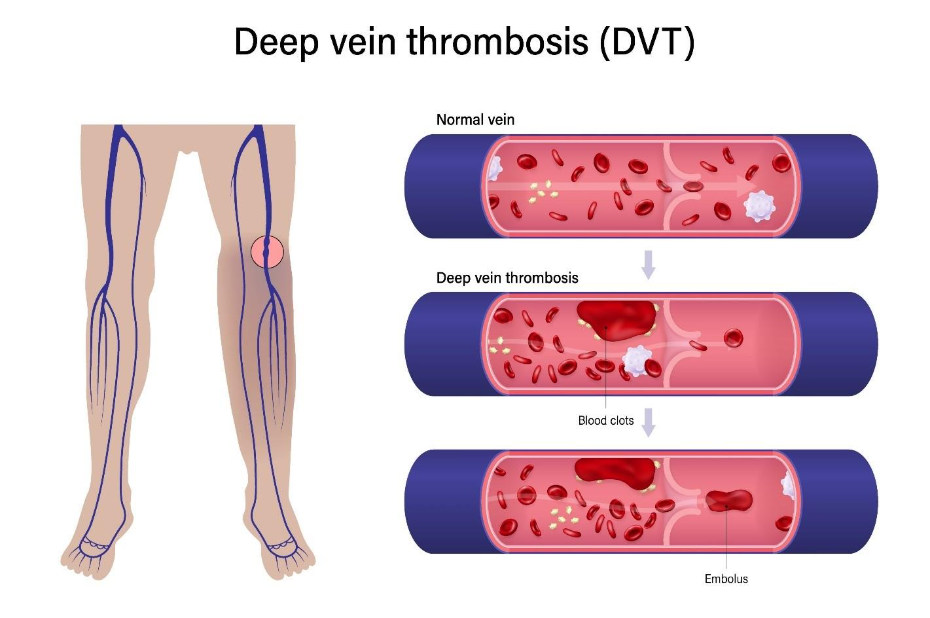
Distinguishing the cause of the swelling is vital because some causes, like a blood clot, are immediate emergencies.
Heart Failure (Systemic Issue)
- Location: Bilateral (affects both legs usually equally).
- Feel: Soft, painless (or uncomfortable tension), pitting.
- Onset: Gradual over weeks or months.
- Other Signs: Breathlessness, fatigue.
Deep Vein Thrombosis / DVT (Clot)
- Location: Unilateral (usually affects only one leg).
- Feel: Painful, tender to touch, often feels hot.
- Look: The skin may look red or discoloured.
- Onset: Sudden (hours or days).
- Action: This is a medical emergency.
Normal ‘Gravity’ Swelling
- Location: Both ankles.
- Feel: Mild puffiness.
- Onset: Worse in the evening, resolves completely by morning.
- Context: Happens after standing all day or in hot weather.
Conclusion
While mild ankle swelling after a long day is often normal, swelling that leaves a dent when pressed, affects both legs, or extends up the shin is a medical concern. It often signals that the heart or kidneys are struggling to manage the body’s fluid levels. If your swelling is accompanied by breathlessness or happens suddenly in just one leg, it requires immediate attention. Recognising these patterns helps you seek the right treatment before complications arise.
Emergency Guidance
If you have sudden swelling in one leg that is red, hot, and painful, seek immediate medical help as this could be a DVT (blood clot). If you have swelling in both legs accompanied by severe breathlessness or chest pain, call 999 immediately.
FAQ Section
1. Can my blood pressure medication cause swollen ankles?
Yes. Calcium channel blockers like amlodipine are a very common cause of ankle swelling. Consult your GP before stopping any medication; they may be able to switch you to an alternative.
2. Should I wear compression stockings?
Compression stockings can help reduce swelling, but you should check with your doctor first. According to the British Heart Foundation, they may not be suitable if you have peripheral arterial disease (poor blood supply to the legs).
3. Does drinking water reduce swelling?
Staying hydrated helps flush out salt, which can reduce swelling in healthy people. However, if you have heart failure, you may be on a fluid restriction, so follow your doctor’s specific advice on fluid intake.
4. Why is my swelling worse in the evening?
Gravity pulls fluid down into your legs throughout the day while you are standing or sitting. When you lie down to sleep, the fluid redistributes, which is why swelling is often better in the morning.
5. Is walking good for swollen legs?
Yes. The calf muscles act as a pump to push fluid back up towards the heart. Gentle walking is generally beneficial for reducing oedema caused by venous insufficiency or mild heart failure.
6. When does swelling indicate kidney failure?
Kidney-related swelling often appears in the face and around the eyes (periorbital oedema) particularly in the morning, as well as in the legs.
7. Can I just take water tablets to fix it?
You should never take diuretics (water tablets) without a prescription. While they reduce fluid, they also affect kidney function and electrolyte balance, so they must be monitored by a doctor.
Authority Snapshot
This article was written by Dr. Rebecca Fernandez, a UK-trained physician with extensive experience in cardiology, internal medicine, and emergency care. Dr. Fernandez has managed critically ill patients and provided comprehensive care for acute and chronic conditions within the NHS framework. This guide draws upon established diagnostic protocols from the NHS and NICE to help you distinguish between harmless puffiness and swelling that requires medical attention.
