
Does High Blood Pressure Always Need Treatment?
A diagnosis of high blood pressure (hypertension) often leads to the immediate question: ‘Do I need to start taking tablets?’ The answer depends on several factors, including how high your readings are and your overall risk of developing cardiovascular disease. In the UK, the approach to treatment is personalised and follows a specific clinical pathway designed to reduce the risk of strokes and heart attacks. While high blood pressure always requires management, it does not always require medication. This article explains how the NHS determines the best course of action for each individual.
What We’ll Discuss in This Article
- The clinical thresholds that determine when treatment is necessary.
- The role of lifestyle changes as a primary form of treatment.
- When medication is typically introduced according to UK guidelines.
- Why some people with ‘pre high’ blood pressure may not need tablets immediately.
- The difference between managing primary and secondary hypertension.
- Common triggers that might lead to temporary treatment measures.
- Long term benefits of early intervention for cardiovascular health.
When High Blood Pressure Requires Medical Attention?
High blood pressure always requires management to prevent long term damage to the heart and arteries, but ‘treatment’ does not always mean medication. For many people with mild hypertension, the first line of treatment is making specific lifestyle changes. However, if readings are consistently 140/90 mmHg or higher, or if a person has other risk factors like diabetes, clinical treatment in the form of medication is usually recommended.
In the UK, the decision to treat is based on a combination of your blood pressure numbers and your QRISK score, which estimates your chance of a heart attack or stroke in the next ten years. If your blood pressure is high but your overall risk is low, your healthcare team may suggest a trial of lifestyle modifications for several months before reconsidering medication.
When is Medication Necessary?
According to NICE guidelines, medication is generally recommended if your blood pressure is consistently 160/100 mmHg or higher, regardless of other risk factors. For those with readings between 140/90 mmHg and 159/99 mmHg, medication is usually advised if they also have an underlying condition like kidney disease, diabetes, or a high cardiovascular risk score.
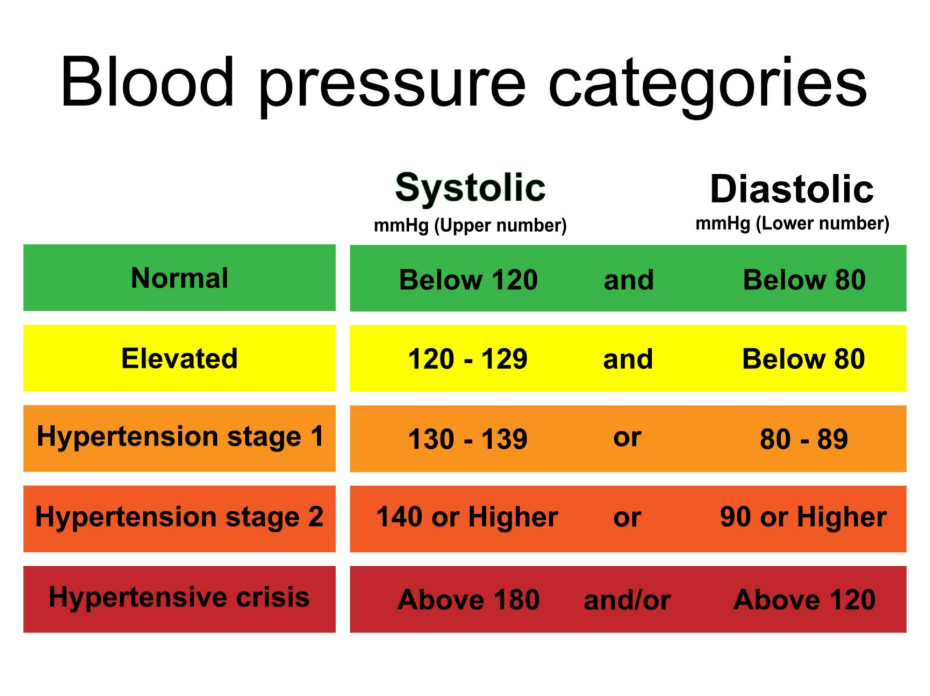
The goal of medication is to lower the pressure enough to protect the organs. Common types of blood pressure medication prescribed in the UK include:
- ACE inhibitors: These help relax blood vessels by blocking a specific hormone.
- Calcium channel blockers: These prevent calcium from entering the heart and artery cells, allowing vessels to relax.
- Diuretics: Often called ‘water tablets,’ these help the kidneys remove excess salt and water from the body.
Lifestyle Changes as a Form of Treatment
For many people, lifestyle changes are the most effective way to ‘treat’ high blood pressure without the need for lifelong medication. Even if you are prescribed tablets, maintaining these healthy habits is essential to ensure the medication works effectively. Small, sustainable changes can often lower blood pressure enough to move a person out of the ‘high’ category.
The most impactful lifestyle treatments include:
- Reducing Salt Intake: Aiming for less than 6g (about one teaspoon) of salt per day.
- Regular Physical Activity: Engaging in at least 150 minutes of moderate intensity exercise per week.
- Weight Management: Losing even a small amount of weight if you are overweight can significantly drop your numbers.
- Limiting Alcohol: Staying within the recommended 14 units per week for both men and women.
Common Causes for Needing Treatment
The reason someone needs treatment is often linked to the cumulative effect of various risk factors. While some causes are modifiable, others are inherent to our biology. Understanding these causes helps doctors decide which type of treatment lifestyle or medication is most likely to be successful.
Common causes include:
- Age and Artery Stiffness: As we get older, arteries naturally lose elasticity, making blood pressure harder to control through lifestyle alone.
- Genetics: A strong family history of hypertension may mean that lifestyle changes aren’t enough to keep readings in a safe range.
- High Salt Sensitivity: Some people’s bodies are genetically more sensitive to salt, leading to higher pressure even with moderate salt intake.
- Secondary Factors: Conditions like sleep apnoea or kidney disease can cause resistant hypertension that requires specific medical treatment.
Triggers for Temporary vs Permanent Treatment
Not all high blood pressure readings reflect a permanent condition. Some triggers can cause temporary spikes that might lead a doctor to monitor you closely rather than starting permanent treatment. However, if these triggers are a constant part of your life, they can eventually lead to a permanent need for medical intervention.
Temporary triggers include:
- Acute Stress or Pain: These can cause a sharp rise in pressure that subsides once the stressor is removed.
- The ‘White Coat’ Effect: Anxiety in a clinical setting can lead to high readings that aren’t present at home.
- Caffeine and Smoking: Both can cause short term increases that may complicate your diagnosis.
- Cough and Cold Medicines: Some over the counter remedies can temporarily raise blood pressure, which should be discussed with a pharmacist.
Primary vs. Secondary Hypertension Treatment
The approach to treatment differs significantly depending on whether the high blood pressure is primary or secondary. Primary hypertension is a lifelong condition that requires ongoing management, whereas secondary hypertension may be ‘cured’ if the underlying cause is addressed.
| Feature | Primary Hypertension | Secondary Hypertension |
| Typical Treatment | Lifestyle and/or long term medication | Treating the underlying medical cause |
| Medication Duration | Usually lifelong | May be temporary if the cause is resolved |
| Goal | Manage numbers and reduce risk | Resolve the cause and return to normal |
| Common Causes | Age, diet, genetics, weight | Kidney disease, thyroid issues, sleep apnoea |
Conclusion
High blood pressure always needs to be taken seriously, but it does not always require immediate medication. Many people can successfully manage their readings through lifestyle changes alone, especially if the condition is caught early. However, when numbers remain high or other health risks are present, medication is a safe and effective way to protect your heart and brain from long term damage.
If you experience severe, sudden, or worsening symptoms such as chest pain, a sudden change in vision, or an unusual, severe headache, call 999 immediately.
Can I stop treatment if my blood pressure goes down?
You should never stop or change your treatment without consulting your GP, as the healthy reading is often a result of the treatment working.
How long does it take for lifestyle changes to work?
It can take several weeks or months of consistent changes to see a significant and lasting drop in your blood pressure numbers.
Are there side effects to blood pressure medication?
All medications can have side effects, but most are mild and your doctor can usually find an alternative that suits you better.
Does everyone over 70 need treatment for high blood pressure?
Not necessarily; treatment is based on individual health status, though targets for older adults are sometimes slightly higher (e.g., 150/90 mmHg).
Is treatment different for primary and secondary hypertension?
Yes, secondary hypertension treatment focuses on fixing the underlying cause (like a kidney issue), whereas primary focuses on managing the pressure itself.
Does high blood pressure treatment affect my insurance?
Disclosing a diagnosis is usually required for life or travel insurance, but well managed blood pressure is generally viewed more favourably than untreated hypertension.
Authority Snapshot
This article has been reviewed by Dr. Stefan Petrov, a UK trained physician with an MBBS and extensive clinical experience in general medicine, surgery, and emergency care. Dr. Petrov has worked in both hospital wards and intensive care units, performing diagnostic and therapeutic procedures. Following NHS and NICE guidelines, this guide provides evidence based information on when blood pressure requires intervention and the different forms that treatment can take.
