
Can Dizziness Be Due to High Blood Pressure?
Dizziness is a broad term used to describe a range of sensations, from feeling faint and lightheaded to experiencing a spinning sensation known as vertigo. It is a common misconception that feeling dizzy is a primary symptom of high blood pressure. Hypertension is usually a ‘silent’ condition, meaning it provides no obvious physical warning signs. However, there are specific circumstances where blood pressure and dizziness are linked. This article explores those connections, including the impact of medications and when a dizzy spell might point to a more serious medical event.
What We’ll Discuss in This Article
- Whether high blood pressure directly causes feelings of dizziness.
- Why dizziness is more commonly associated with low blood pressure.
- The role of blood pressure medications in causing lightheadedness.
- How a hypertensive crisis can lead to sudden, severe balance issues.
- Common lifestyle causes and medical conditions that affect stability.
- Daily triggers that can cause both dizziness and pressure fluctuations.
- Key safety signs that indicate when dizziness requires urgent medical care.
Understanding the Link Between Dizziness and Blood Pressure
Dizziness is not typically a direct symptom of high blood pressure. Most people with hypertension do not feel dizzy or lightheaded as a result of the condition itself. However, dizziness can occur if blood pressure reaches extremely high levels known as a hypertensive crisis where it affects blood flow to the brain. More commonly, dizziness is a side effect of high blood pressure medications or a sign of low blood pressure.
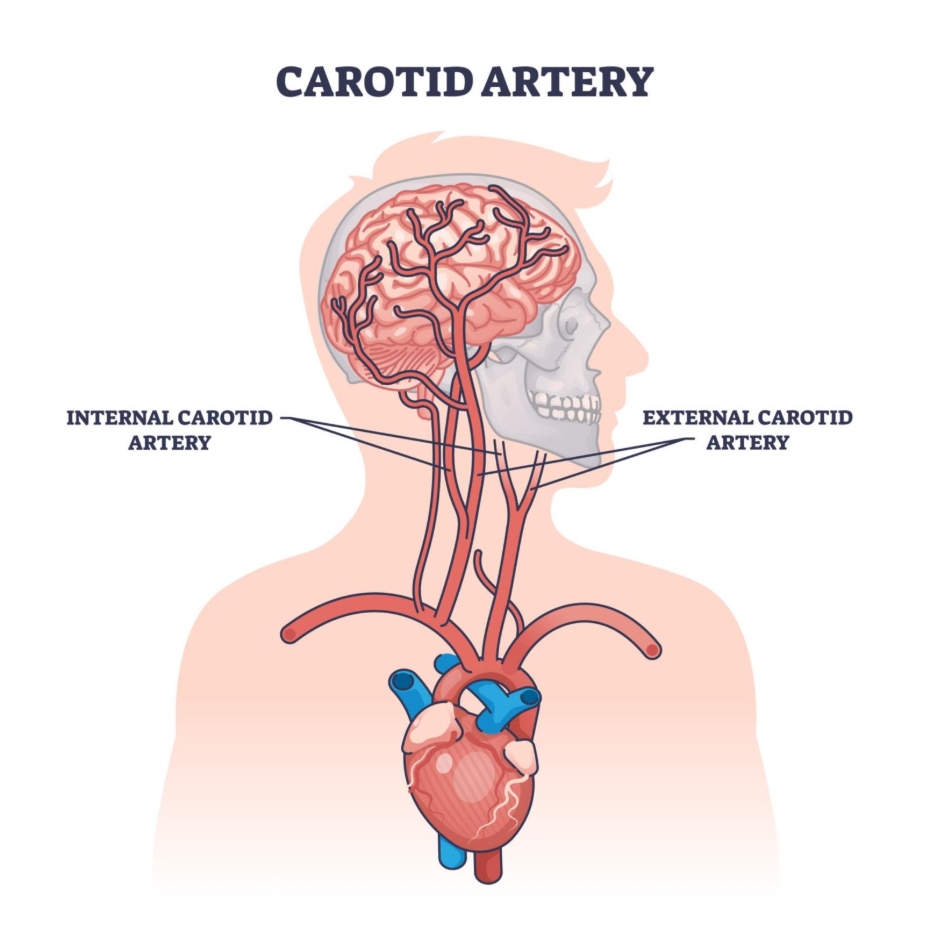
Because dizziness is non-specific, it is often caused by other common issues such as dehydration, ear infections, or low blood sugar. If you are diagnosed with high blood pressure and start feeling dizzy, it is often related to the body adjusting to treatment rather than the pressure being high. However, sudden and severe dizziness combined with very high readings should always be taken seriously as it may indicate a risk of stroke or other cardiovascular complications.
Dizziness as a Medication Side Effect
For many people with hypertension, dizziness is a common side effect of the medications used to lower blood pressure. When you start a new prescription, such as an ACE inhibitor or a diuretic, your body may take time to adjust to the lower pressure. This can lead to ‘orthostatic hypotension,’ where your blood pressure drops suddenly when you stand up, making you feel lightheaded.
Common medications that may cause dizziness include:
- ACE Inhibitors: These relax blood vessels but can cause a drop in pressure during the first few doses.
- Diuretics: These remove excess fluid and salt, which can sometimes lead to mild dehydration if not managed.
- Beta-blockers: These slow the heart rate, which can occasionally reduce the speed at which oxygen reaches the brain when you change position quickly.
In most cases, this type of dizziness is temporary and improves as your body becomes accustomed to the medication.
When Dizziness Indicates a Hypertensive Crisis
While everyday high blood pressure is symptomless, a hypertensive crisis (readings of 180/120 mmHg or higher) is a medical emergency that can cause neurological symptoms, including severe dizziness. At these extreme levels, the pressure can cause the brain to swell or bleed, leading to a loss of balance, confusion, and a sudden feeling of being ‘off-kilter.’
If you have high blood pressure and experience dizziness alongside any of the following, seek immediate help:
- Sudden, severe headache.
- Blurred or double vision.
- Weakness on one side of the body or face.
- Difficulty speaking or understanding others.
- Severe chest pain or shortness of breath.
Causes of High Blood Pressure and Dizziness
The causes of high blood pressure are often gradual and related to age or lifestyle, whereas dizziness often has more immediate, acute causes. Sometimes, these two paths cross when an underlying medical condition affects both your circulatory system and your sense of balance.
Common factors that link the two include:
- Atherosclerosis: Narrowed arteries can reduce blood flow to the brain and inner ear, causing both high pressure and balance issues.
- Kidney Disease: The kidneys regulate blood volume; if they are not working correctly, it can lead to hypertension and electrolyte imbalances that cause dizziness.
- Diabetes: High blood sugar can damage the nerves that help control blood pressure and the inner ear, leading to lightheadedness.
- Age: As we get older, our blood vessels become stiffer and our balance systems become less efficient.
Common Triggers for Dizziness and Pressure Spikes
Certain lifestyle triggers can cause a temporary spike in blood pressure and a feeling of dizziness simultaneously. These triggers usually involve a sudden change in the body’s internal environment, such as a rush of adrenaline or a change in fluid levels. Identifying these triggers can help you manage your symptoms and avoid unnecessary alarm.
Frequent triggers include:
- Stress and Anxiety: A panic attack can cause rapid breathing (hyperventilation), which leads to dizziness and a sharp rise in blood pressure.
- Dehydration: When you are dehydrated, your blood volume drops, which can lead to dizziness. Paradoxically, the body may raise blood pressure to compensate for the low volume.
- Caffeine and Nicotine: These stimulants can cause the heart to race and blood vessels to tighten, leading to both a pressure spike and a ‘jittery’ dizzy feeling.
- Sudden Movement: Standing up too quickly (postural change) is the most common trigger for a dizzy spell in people on blood pressure medication.
Primary vs. Secondary Hypertension Dizziness
Most people in the UK have primary hypertension, which is typically ‘silent.’ Secondary hypertension is caused by an underlying medical condition. In some cases of secondary hypertension, the underlying cause (such as an inner ear problem or an adrenal gland issue) might be the true source of the dizziness.
| Feature | Primary Hypertension | Secondary Hypertension |
| Dizziness Connection | Usually due to medication | May be due to the underlying cause |
| Typical Onset | Gradual and silent | Can be sudden and symptomatic |
| Common Causes | Lifestyle, age, genetics | Kidney issues, hormonal imbalances |
| Treatment Focus | Managing numbers | Treating the underlying condition |
Conclusion
Dizziness is rarely a direct symptom of high blood pressure, but it is frequently linked to the medications used to treat it or to the lifestyle factors that accompany it. Understanding that hypertension is a silent condition means you should not wait to feel dizzy before checking your numbers. However, sudden and severe dizziness should never be ignored, especially if you have a history of high blood pressure.
If you experience severe, sudden, or worsening symptoms such as chest pain, a sudden change in vision, or an unusual, severe headache, call 999 immediately.
Can a high blood pressure reading make me feel dizzy?
The reading itself won’t, but the anxiety of seeing a high number can cause symptoms like lightheadedness or a racing heart.
Why do I feel dizzy when I stand up?
This is often ‘postural hypotension,’ which is common if you are on blood pressure medication or are slightly dehydrated.
Is dizziness a sign of a stroke?
Sudden, severe dizziness can be a sign of a stroke, especially if accompanied by weakness, speech problems, or facial drooping.
Does caffeine cause dizziness and high blood pressure?
Yes, caffeine is a stimulant that can raise your heart rate and blood pressure while making some people feel lightheaded or jittery.
Should I stop my medication if it makes me dizzy?
No, you should never stop blood pressure medication suddenly; instead, talk to your doctor about adjusting the dose or timing.
How can I prevent dizziness when taking blood pressure tablets?
Moving slowly when changing positions such as sitting on the edge of the bed before standing can help your body adjust to the pressure change.
Authority Snapshot
This article has been reviewed by Dr. Stefan Petrov, a UK-trained physician with an MBBS and extensive clinical experience in general medicine, surgery, and emergency care. Dr. Petrov has worked in hospital wards and intensive care units, ensuring this guide aligns with NHS and NICE clinical standards. This article will explain the complex relationship between dizziness and blood pressure, helping you understand when a feeling of lightheadedness might be linked to hypertension or other underlying factors.
