
What is a deep vein thrombosis (DVT)?
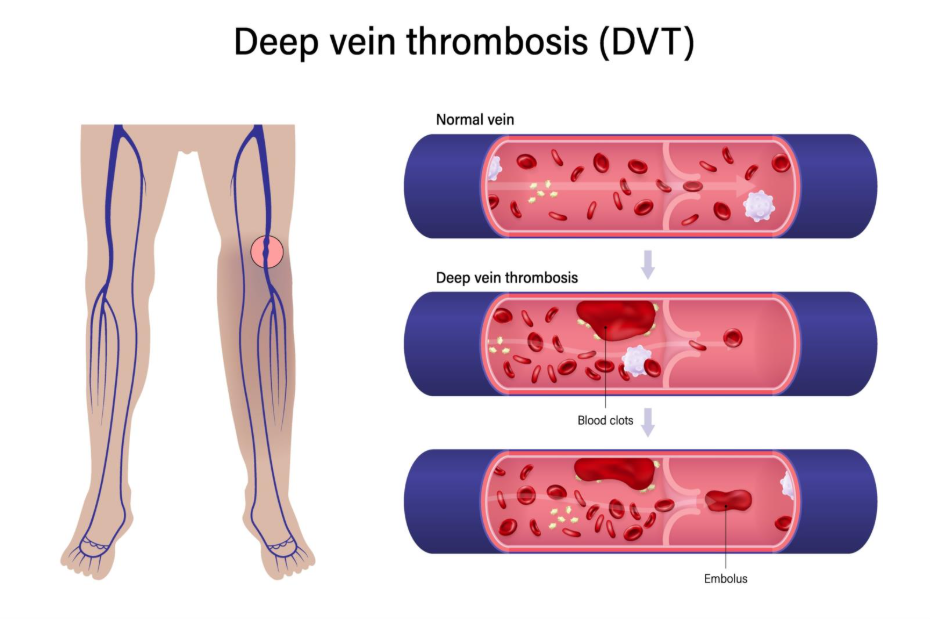
Deep vein thrombosis (DVT) is a serious medical condition that occurs when a blood clot (thrombus) forms in one or more of the deep veins in the body, most frequently in the legs. These clots can block blood flow, causing pain and swelling, and pose a significant health risk if the clot breaks loose and travels through the bloodstream to the lungs, a complication known as a pulmonary embolism.
What We will cover in This Article
- The biological process of how a DVT forms in the deep venous system
- Common symptoms including unilateral swelling, pain, and skin warmth
- Key risk factors such as immobility, surgery, and underlying health conditions
- The critical difference between superficial clots and DVT
- Evidence-based diagnostic procedures used by the NHS
- Modern treatment options including anticoagulation therapy
Understanding Deep Vein Thrombosis
A DVT occurs when blood thickens and clumps together in a vein located deep within the muscles, rather than in the superficial veins just under the skin. While they most commonly develop in the calf or thigh, they can also occur in other parts of the body such as the arms or pelvis.
The primary danger of a DVT is not just the localized blockage, but the risk of the clot migrating. According to the National Institute for Health and Care Excellence (NICE) [NG158], DVT and pulmonary embolism are collectively known as venous thromboembolism (VTE), which is a leading cause of preventable hospital deaths in the UK.
Causes and Triggers of DVT
Clots typically form when the blood flow in the deep veins slows down or becomes stagnant. This is often the result of several interacting factors known as ‘Virchow’s Triad’: stasis (slow blood flow), endothelial injury (damage to the vein wall), and hypercoagulability (blood that clots too easily).
| Category | Specific Triggers | Impact on Risk |
| Immobility | Long-haul flights, hospital stays, or bed rest. | Muscle pump is inactive, leading to blood stagnation. |
| Physical Trauma | Surgery (especially hip or knee) or major injury. | Direct damage to vein walls triggers the clotting cascade. |
| Medical Conditions | Cancer, heart disease, or inflammatory disorders. | Changes the chemical balance of the blood. |
| Hormonal Factors | Combined contraceptive pill or HRT. | Estrogen can make the blood more likely to clot. |
Symptoms and Warning Signs
DVT symptoms usually only affect one leg, which is a key clinical indicator. However, it is important to note that many people with DVT do not experience any visible symptoms at all until a complication occurs.
Physical Signs in the Affected Limb
- Swelling: Usually in one leg, often starting at the calf or ankle.
- Pain or Tenderness: Often described as a heavy ache or a cramping sensation that may start in the calf.
- Skin Changes: The skin may feel unusually warm to the touch and appear red or discoloured.
- Vein Dilation: Superficial veins near the skin may appear more prominent or swollen than usua
DVT vs. Superficial Thrombophlebitis
It is essential to differentiate between a clot in a deep vein and one in a superficial vein, as the management and risks are vastly different.
- Superficial Thrombophlebitis: This is an inflammation of a vein just under the skin, often caused by a small clot. While painful and red, it rarely leads to a pulmonary embolism and is typically managed with anti-inflammatory creams or warm compresses.
- Deep Vein Thrombosis: Because the deep veins are larger and surrounded by powerful muscles, a clot here is much larger and under higher pressure. When these muscles contract, they can squeeze the clot, potentially dislodging it into the main circulatory path toward the lungs.
NHS Diagnostic and Treatment Pathway
If a DVT is suspected, UK clinicians follow a specific pathway to confirm the diagnosis and begin treatment immediately to prevent the clot from growing or moving.
- D-dimer Test: A blood test that looks for a specific protein fragment produced when a blood clot dissolves in the body.
- Ultrasound Scan: A specialized ‘Duplex’ ultrasound is the primary tool used to visualize the blood flow and identify the location of the clot.
- Anticoagulation Therapy: Commonly referred to as ‘blood thinners’, these medications (such as Apixaban or Rivaroxaban) do not actually thin the blood but prevent the clot from getting larger while the body naturally reabsorbs it.
- Compression Stockings: In some cases, medical-grade stockings are prescribed to reduce the risk of Post-Thrombotic Syndrome (long-term swelling and pain).
‘Prompt initiation of anticoagulation is the cornerstone of DVT management, significantly reducing the risk of fatal pulmonary embolism,’ noted a clinical review by the British Medical Journal (BMJ) in 2020 regarding VTE protocols.
To Summarise
A deep vein thrombosis is a significant medical event involving a clot in the deep venous system, most commonly triggered by immobility or surgery. Recognizing the symptoms specifically one-sided leg swelling and pain is crucial for early intervention. While treatments like anticoagulants are highly effective, prevention through movement and hydration remains the best approach.
If you experience severe, sudden, or worsening symptoms, call 999 immediately. This is essential if you experience chest pain, sudden shortness of breath, or a cough that produces blood, as these are signs of a pulmonary embolism.
Can I get a DVT from sitting at my desk all day?
Yes, prolonged sitting without moving your legs can cause blood to pool, which is why it is important to take regular ‘movement breaks’ every hour.
Does a DVT always cause pain?
No, some people have ‘silent’ DVTs where the only sign is mild swelling, or no symptoms at all until the clot moves to the lungs.
Are there specific foods that prevent DVT?
No specific food can prevent a DVT, but staying well-hydrated helps maintain healthy blood viscosity and circulation.
How long do I need to stay on blood thinners?
This depends on whether the cause was temporary (like surgery) or if you have an ongoing risk factor; typically, treatment lasts between 3 to 6 months.
Is DVT the same as a stroke?
No, a DVT is a clot in a vein (usually in the leg), whereas a stroke is typically caused by a clot or bleed in an artery supplying the brain.
Can I exercise with a DVT?
Initially, you may be advised to rest, but once anticoagulation has started, gentle walking is often encouraged to aid circulation. For more specific guidance, see our article on exercising after a blood clot.
Authority Snapshot
This guide adheres to the diagnostic and treatment protocols outlined by NHS England and NICE [NG158]. The content focuses on identifying early warning signs and understanding the physiological triggers of venous thromboembolism to ensure patient safety. Dr. Rebecca Fernandez is a UK-trained physician with an MBBS and experience in general surgery, cardiology, internal medicine, gynecology, intensive care, and emergency medicine. She has managed critically ill patients, stabilised acute trauma cases, and provided comprehensive inpatient and outpatient care. In psychiatry, Dr. Fernandez has worked with psychotic, mood, anxiety, and substance use disorders, applying evidence-based approaches such as CBT, ACT, and mindfulness-based therapies. Her skills span patient assessment, treatment planning, and the integration of digital health solutions to support mental well-being.
