
Are there different types of asthma?
Asthma is not a single condition that affects everyone in the same way. Instead, it is a broad clinical term used to describe chronic airway inflammation that can be triggered by many different factors. Understanding the specific type of asthma an individual has is essential for effective treatment, as the triggers and management strategies can vary significantly depending on the underlying cause of the inflammation.
In this article, we explore the various classifications of asthma, including allergic and non-allergic types, as well as exercise induced and occupational asthma. We will discuss the biological processes behind these different forms and how healthcare professionals identify them. Readers will also learn about the importance of tailoring treatment to their specific asthma type and when to seek emergency help for severe respiratory symptoms.
What We’ll Discuss in This Article
- The clinical distinction between allergic and non-allergic asthma
- How exercise induced bronchoconstriction affects the airways
- The impact of occupational asthma caused by workplace irritants
- What defines adult-onset asthma compared to childhood types
- The nature of severe or difficult to treat asthma
- Common environmental and physical triggers for each asthma type
- Guidance on identifying your specific asthma type and seeking care
What classifications of asthma exist?
Yes, there are several different types of asthma, often classified by what triggers the symptoms or when the condition first develops. While all types involve airway inflammation and narrowing, the ‘pathway’ that leads to that inflammation can differ. The most common distinction is between allergic asthma, which is triggered by environmental allergens, and non-allergic asthma, which is triggered by factors like stress, cold air, or viral infections.
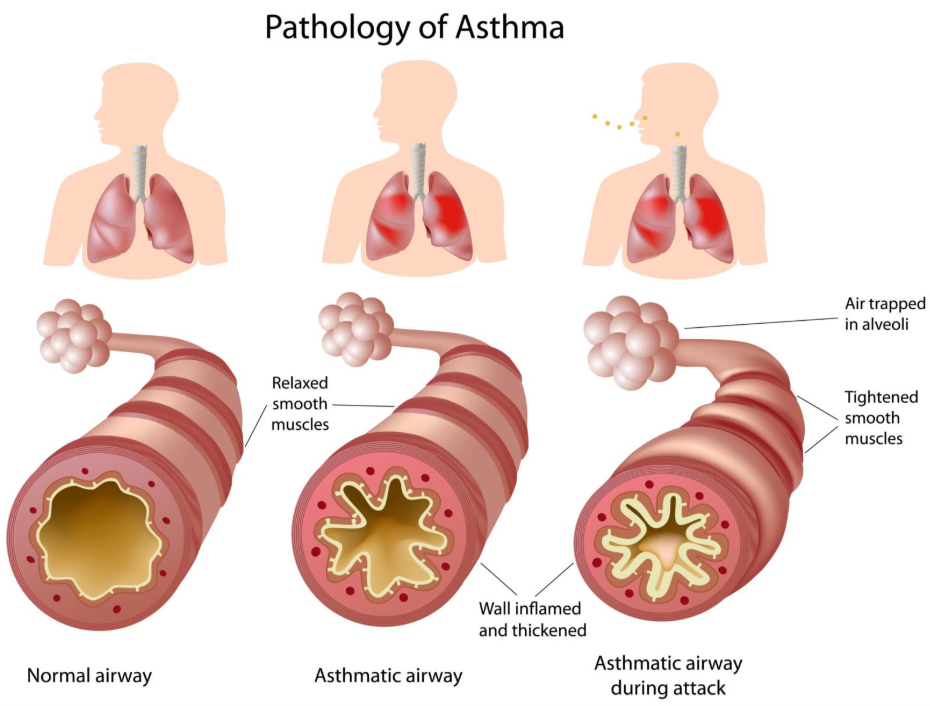
Identifying the specific type of asthma is a key part of the diagnostic process. For example, knowing that someone has exercise induced asthma allows a healthcare professional to provide specific advice on using a reliever inhaler before physical activity. Similarly, identifying occupational asthma might require changes to a person’s work environment to prevent long term lung damage. Most people find that their symptoms fit into one or more of these categories, and understanding these patterns helps in creating a more effective personal asthma action plan.
Regardless of the type, the goal of treatment remains the same: to reduce underlying inflammation and prevent flare ups. This is typically achieved through a combination of daily preventer inhalers and the occasional use of reliever medication. By understanding the specific nature of their condition, individuals can take more targeted steps to protect their respiratory health.
What are the symptoms of different asthma types?
While the underlying causes vary, the core symptoms of most asthma types remain consistent. These include wheezing, breathlessness, a tight feeling in the chest, and a persistent cough. However, the timing and context of these symptoms can provide clues about the type of asthma present. For instance, allergic asthma symptoms often spike during high pollen seasons, whereas exercise induced symptoms typically peak shortly after physical exertion.
In non-allergic asthma, symptoms may be more persistent or triggered by a sudden change in weather or a common cold. Adult-onset asthma often presents with a more stubborn, dry cough that may be mistaken for other conditions. Recognizing these patterns is essential for clinical diagnosis. If symptoms are occurring more than twice a week or interfering with sleep, it suggests that the inflammation is not well controlled, regardless of the asthma type.
Allergic vs non-allergic asthma
Allergic asthma is the most common form, particularly in children. It is triggered by an immune system overreaction to common substances like pollen, dust mites, or pet dander. When these allergens are inhaled, the body produces IgE antibodies, leading to immediate airway inflammation. This type is often linked to other ‘atopy’ conditions like eczema and hay fever.
Non-allergic asthma is less common and usually develops later in life. It is not triggered by allergens but by other irritants. Triggers can include viral infections (like the cold or flu), cold air, humidity, smoke, or even strong emotional stress. Because it does not involve an allergic immune response, allergy testing will typically come back negative. This type can sometimes be more difficult to manage because it is harder to avoid universal triggers like weather changes or viruses.
Exercise induced and occupational asthma
Exercise induced bronchoconstriction (EIB) is a type of asthma where physical activity is the primary trigger. During exercise, people often breathe through their mouth, taking in air that is cooler and drier than air filtered through the nose. This irritates the airways and causes them to narrow. Many people with chronic asthma have EIB, but some people only experience symptoms during exercise.
Occupational asthma is caused by breathing in fumes, gases, dust, or other harmful substances while at work. This can develop over time as the lungs become sensitized to a specific workplace irritant, such as wood dust, flour, or certain chemicals. If your symptoms improve significantly when you are away from work (such as during weekends or holidays), it is a strong clinical indicator of occupational asthma. Early diagnosis is vital, as continued exposure can lead to permanent lung scarring.
Adult onset and severe asthma
Adult onset asthma refers to symptoms that appear for the first time after age twenty. This is often non-allergic and can be triggered by hormonal changes, obesity, or a severe respiratory infection. Unlike childhood asthma, it is less likely to enter remission and often requires consistent long term management.
Severe asthma (or difficult to treat asthma) affects a small percentage of people. In these cases, standard inhaler treatments do not fully control the symptoms. This type requires specialist clinical care and may involve newer ‘biologic’ therapies that target specific inflammatory pathways in the body. People with severe asthma are at a higher risk of frequent flare ups and require close monitoring by a respiratory team.
Conclusion
Asthma is a diverse condition with several distinct types, each defined by its unique triggers and clinical presentation. Whether your asthma is allergic, non-allergic, or related to your workplace, the key to good health is understanding your specific triggers and using your medication as prescribed. By identifying the type of asthma you have, you and your healthcare professional can create a more effective management plan.
Maintaining regular reviews with your clinical team ensures that your treatment stays effective as your life and environment change.
If you experience severe, sudden, or worsening symptoms, such as being too breathless to speak or if your blue reliever inhaler is not helping, call 999 immediately.
Can you have more than one type of asthma?
Yes, it is very common for people to have allergic asthma that is also triggered by exercise or viral infections.
Is exercise induced asthma the same as being unfit?
No, it is a clinical condition where the airways physically narrow in response to exercise, whereas being unfit relates to cardiovascular endurance.
How do I know if my asthma is allergic?
If your symptoms worsen around pets, during hay fever season, or in dusty environments, and you have eczema or hay fever, it is likely allergic.
Can occupational asthma be cured?
If caught early and the person stops being exposed to the workplace trigger, symptoms can significantly improve or disappear.
Why did I develop asthma as an adult?
Adult onset asthma can be triggered by new environmental exposures, health changes like weight gain, or following a severe viral illness.
Does the type of asthma change the inhaler I use?
Most types are treated with similar preventer and reliever inhalers, but the frequency and timing of use may be adjusted based on the type.
Is severe asthma contagious?
No, no type of asthma is contagious, though the viral infections that trigger flare ups can be passed from person to person.
Authority Snapshot
Dr. Stefan Petrov is a UK-trained physician with an MBBS and postgraduate certifications including Basic Life Support (BLS), Advanced Cardiac Life Support (ACLS), and the UK Medical Licensing Assessment (PLAB 1 & 2). He has hands-on experience in general medicine, surgery, anaesthesia, ophthalmology, and emergency care. Dr. Petrov has worked in both hospital wards and intensive care units, performing diagnostic and therapeutic procedures, and has contributed to medical education by creating patient-focused health content and teaching clinical skills to junior doctors. This article explores the various types of asthma to provide safe, evidence-based information following UK clinical guidelines.
